The demand for Contactless Switch solutions has surged globally, driven by the need for seamless technology integration in various sectors. According to a recent market report by Market Research Future, the contactless switch market is projected to grow at a CAGR of 12.5% from 2021 to 2028. This rapid growth emphasizes the evolving landscape of touchless technology, making it more crucial for global buyers to recognize and adopt innovative solutions.
Expert Alex Thompson, a recognized authority in the field, notes, "The adoption of contactless switches is transforming user experience and operational efficiency." This reflects a broader shift towards automation and enhanced safety in environments where hygiene is paramount. Manufacturers in China are leading this change, offering diverse, reliable products tailored to meet international standards.
The landscape of contactless technology is continuously changing. As suppliers innovate, buyers face challenges in navigating quality and compliance. The importance of selecting the right partner cannot be overstated. To ensure effectiveness, understanding the features and limitations of Contactless Switch solutions is essential for fostering long-term success in this competitive market.
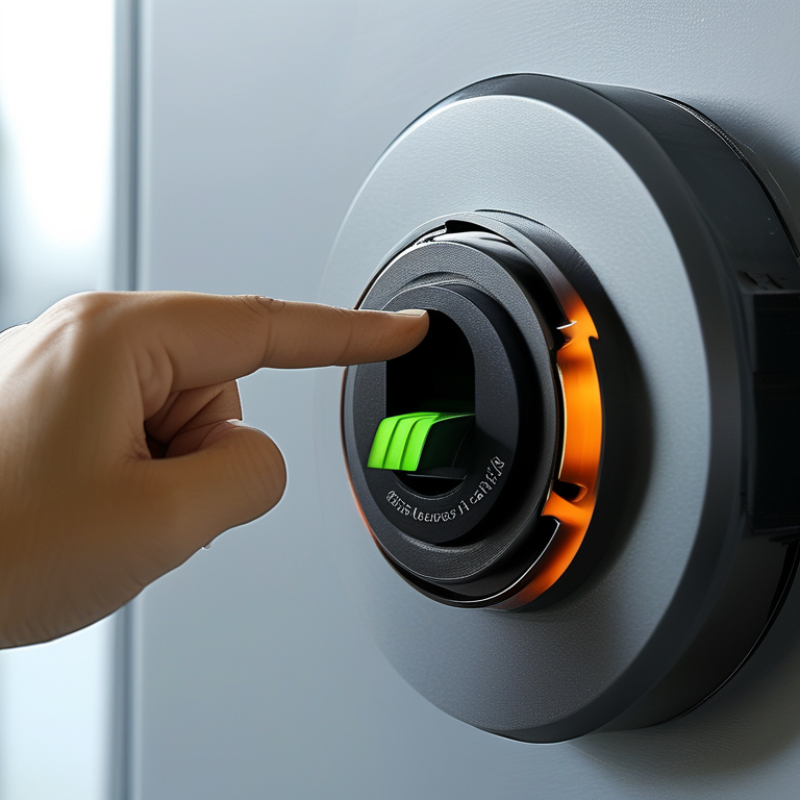
Overview of Contactless Switch Technologies in China
Contactless switch technology has rapidly advanced in China, establishing itself as a crucial part of the global electronics market. Industry reports indicate a steady growth rate of around 15% annually. This growth is driven by the increasing demand for automation and smart home devices. As these technologies evolve, the efficiency and reliability of contactless switches improve. Recent studies show that these switches can reduce energy consumption by approximately 20% in residential settings.
The use of infrared and capacitive sensing technologies are at the forefront of this evolution. These methods allow for seamless interactions. Notably, contactless switches enhance user experiences in various applications, including smart lighting and security systems. However, challenges remain. Ensuring consistent performance in diverse environmental conditions is still a hurdle. Manufacturers must focus on quality control and testing.
Tips: When considering contactless switch solutions, look for options that offer robust functionality in different settings. It's important to assess the reliability of the sensing technology used. Always read reviews and case studies before making a decision. Investing in high-quality contactless switches will provide long-term benefits and improve overall efficiency.
Contactless Switch Technology Adoption in China (2023)
Key Manufacturers and Their Innovative Solutions
The contactless switch market in China is booming. According to a recent industry report, the global contactless switch market is projected to grow at a compound annual growth rate (CAGR) of 8% from 2023 to 2030. This growth is fueled by rising demand for smart home solutions and increased awareness of hygiene. Innovative technologies have led key manufacturers in China to develop state-of-the-art solutions.
One notable trend is the integration of advanced sensing technologies. These systems reduce physical touch, enhancing safety in various settings. Moreover, the adoption of energy-efficient designs is gaining momentum. Key players emphasize the importance of sustainability in product development. Reliable performance data indicates that modern contactless switches can consume up to 30% less energy than traditional switches. However, barriers remain, including high initial costs and varying consumer acceptance.
Despite advancements, manufacturers must continue refining these solutions. There is a need for extensive user feedback to address concerns about functionality and responsiveness. Additionally, as the market evolves, the challenge of maintaining competitive pricing while ensuring durability and quality is crucial. Continuous innovation will be essential for companies looking to thrive in this dynamic market.
Market Trends and Opportunities for Global Buyers
The market for contactless switch solutions is evolving rapidly. According to industry reports, the demand for contactless technology in various sectors has surged by approximately 25% over the past two years. This trend highlights a shift towards automation and convenience, particularly in consumer electronics and smart home applications. Global buyers are increasingly looking for solutions that enhance user experience while providing safety and efficiency.
Recent surveys indicate that over 70% of consumers prefer contactless options for ease of use and hygiene. Businesses recognize this shift, which presents significant opportunities for innovative solutions. Manufacturers are investing heavily in R&D to create more advanced contactless technologies. However, the market also faces challenges such as ensuring compatibility across devices and managing production costs.
Quality and reliability remain paramount. Data suggests that nearly 40% of buyers prioritize these aspects when selecting suppliers. As contactless solutions become mainstream, global buyers must critically evaluate options. They should consider not only the technology but also the supplier's ability to meet evolving market demands. Addressing these concerns will be essential for success in this competitive landscape.
Challenges Faced by International Buyers in Sourcing
The shift towards contactless switch solutions in China has attracted global buyers. However, sourcing these technologies presents several challenges. Data from industry reports indicate that over 65% of international buyers faced difficulties in understanding the technology requirements. Many fail to grasp the difference between various standards, leading to mismatched purchases and project delays.
Moreover, language barriers exacerbate communication issues. Reports highlight that about 70% of buyers struggle with technical descriptions provided by suppliers. This often results in misunderstandings regarding product specifications. A significant number of buyers reported dissatisfaction due to confusion about product performance and compatibility with existing systems.
Another key challenge is navigating the regulatory landscape. Data shows that 58% of companies encounter issues related to compliance with international standards. Buyers must ensure that the solutions meet local regulations, which can be time-consuming and complex. This situation calls for better resources and clearer guidelines to facilitate smoother transactions in the global market for contactless solutions.
Future Prospects for Contactless Switch Solutions in the Global Market
The future of contactless switch solutions is bright, especially in the global market. Increasing demand for touch-free technology drives innovation in this sector. Industries such as retail, healthcare, and smart homes are adopting these solutions rapidly. This shift enhances user experience while ensuring safety and hygiene. Companies are investing heavily in research and development to provide more efficient products.
Challenges remain. The technology must prove reliability in various environments. Connectivity issues can disrupt user experience, leading to frustration. Manufacturers need to address these concerns while also focusing on design. Aesthetics play a crucial role, as users prefer sleek, modern solutions.
Global buyers seek solutions that integrate seamlessly into existing systems. Compatibility with different platforms is essential. Companies are navigating this complicated landscape. They must adopt a user-centric approach that emphasizes flexibility and accessibility. Understanding local market needs is vital for success. The future is promising, but there is much work to do.
FAQS
: The demand is driven by a shift towards automation and convenience in consumer electronics and smart home applications.
Demand for contactless technology has surged by approximately 25% over the past two years.
Over 70% of consumers prefer contactless options for ease of use and hygiene.
Many buyers struggle with understanding technology requirements and face communication issues due to language barriers.
Buyers should critically evaluate options and consider suppliers' ability to meet evolving demands for compatibility.
Nearly 40% of buyers prioritize quality and reliability when selecting suppliers for contactless solutions.
Compliance with local regulations can be complex and ensures that solutions meet necessary standards in the market.
Manufacturers need to address reliability, connectivity issues, and integrate their products into existing systems.
A sleek and modern design is preferred, as aesthetics play a crucial role in user acceptance of technology.
The future looks bright, but manufacturers must navigate challenges and understand local market needs for success.
Conclusion
The article "China Best Contactless Switch Solutions for Global Buyers?" explores the advancements in contactless switch technologies emerging from China. It provides an overview of various innovative solutions developed by key manufacturers in the industry, highlighting market trends that present significant opportunities for international buyers.
Furthermore, the article addresses the challenges faced by global buyers in sourcing these technologies, such as quality assurance and supply chain complexities. Despite these hurdles, the future prospects for contactless switch solutions appear promising as the demand for touchless technologies grows in various sectors. Overall, China is positioned as a leading hub for contactless switch innovations, catering to the evolving needs of the global market.

 Igoye Energy