Choosing the right transfer switch can significantly enhance your energy management. A transfer switch allows seamless transitions between utility and generator power. It is crucial for ensuring safety and reliability during power outages.
Understanding your needs is the first step. Different types of transfer switches serve various purposes. Some are manual, while others are automatic. Knowing how much power you require will determine the size and type of your transfer switch.
Research is essential. Many brands offer transfer switches, each with unique features. Reading reviews can help, but personal experience is invaluable. Consulting with professionals can provide insights tailored to your situation. Reflecting on your specific power needs will guide your selection process effectively.
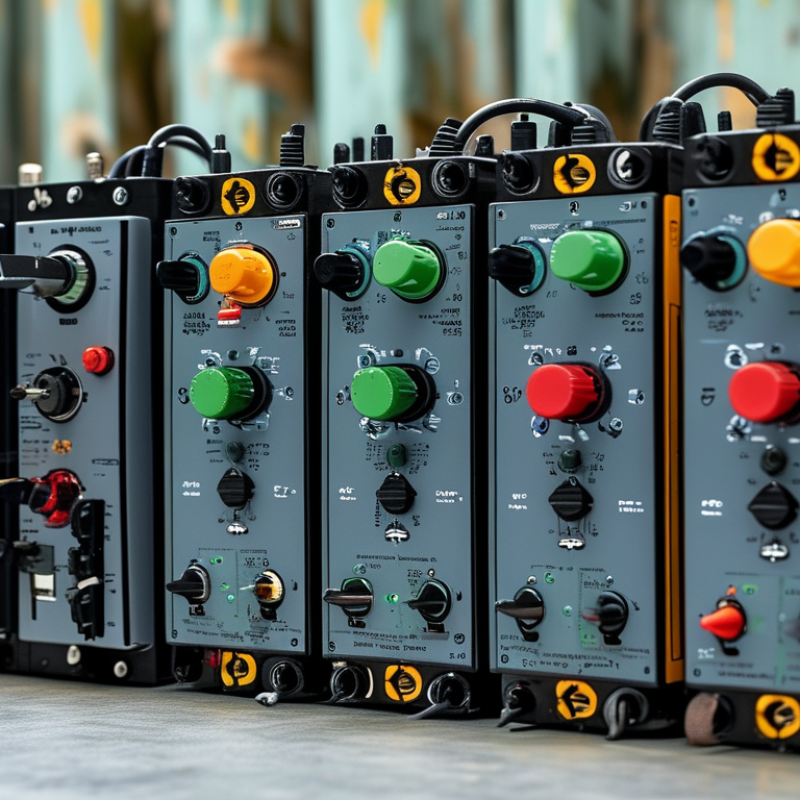
When choosing a transfer switch, understanding its types and applications is crucial. There are two primary types: manual and automatic transfer switches (ATS). A manual transfer switch requires human intervention. It’s often used for smaller generators. These systems can be cost-effective but pose risks during power outages. Data from the National Fire Protection Association indicates that improper use can lead to safety hazards.
In contrast, ATS offers automatic operation. They detect power loss and switch to the generator without interruption. This is particularly beneficial for critical systems, like hospitals, where every second counts. Reports from the Electric Power Research Institute show that ATS installations have increased by 25% over the last decade, reflecting growing reliance on backup power.
Consider also the power rating. Your switch must match or exceed your generator’s output. However, overestimating can lead to inefficiencies. The American Society of Civil Engineers highlights that understanding load requirements is vital in the selection process. The balance between reliable power supply and cost efficiency remains a point of contention. Each type serves unique needs, and careful consideration is essential for optimal performance.
Choosing the right transfer switch requires a deep understanding of your power needs. Assessing these needs starts with determining the total load requirements of your home or business. According to the National Fire Protection Association, the average household uses about 900 kWh per month. Identifying essential appliances is crucial. This might include refrigerators, HVAC systems, and lighting.
The load capacity of the transfer switch must match or exceed your total power requirements. For instance, if critical appliances draw around 5,000 watts, a switch with a minimum capacity of 6,000 watts is advisable, providing a safety margin. However, underestimating your load can lead to significant issues. Many homeowners overlook minor devices that add up, such as chargers and electronics.
Understanding your power needs mitigates risks. Neglecting this assessment might result in selecting an inappropriate switch. A switch that is too small can fail under load. Conversely, an oversized switch may incur unnecessary costs. Evaluating your power demands helps ensure you invest in the right equipment. Be rigorous in this assessment to avoid common mistakes.
When selecting a transfer switch, safety features and compliance standards are paramount. Many industrial reports emphasize that nearly 30% of power outages result from improper installation of electrical components. A transfer switch must meet specific national standards, such as the National Electric Code (NEC) in the USA. Compliance ensures that the switch operates safely, minimizing risks.
Consider the safety features that a transfer switch should include. Look for options with overload protection to prevent equipment damage. Whether automatic or manual, switches should provide clear indicators for operation status. Inconsistent indicators can lead to significant errors, potentially causing injuries. Not all models offer these features, which is why thorough evaluation is necessary.
Additionally, ensure that your chosen switch is compliant with updated regulations. The National Fire Protection Association (NFPA) updates guidelines regularly. Regular compliance checks can be a daunting task for some. However, neglecting this can lead to liability issues. Investing time in understanding compliance standards is crucial for safety.
When considering a transfer switch, one major decision is between manual and automatic options. A manual transfer switch requires human intervention to operate. Users must be present to switch the power source when needed. This can be a benefit for those who prefer hands-on control. However, it can lead to delays during power outages or emergencies. Mistakes in switching can occur, creating potential risks.
On the other hand, automatic transfer switches provide seamless operation. They detect power failures and switch to an alternative source without any manual input. This is advantageous for critical systems, such as hospitals or data centers. Yet, these switches can be more complex and expensive. Regular maintenance is necessary to ensure reliability. Both types have their pros and cons, leading to potential challenges in selection.
Choosing the right transfer switch should factor in specific needs and situations. For casual users, a manual switch may suffice and offer cost savings. But for those relying on uninterrupted power, an automatic switch is likely the better choice. Think about your power needs, budget, and preferred level of control. Always reflect on the implications your choice might have on safety and functionality.
When selecting a transfer switch, it’s essential to assess your installation requirements. Begin by identifying the power demands of your home or facility. Calculate the maximum wattage needed to ensure your transfer switch can handle it. Consider the number of circuits you want to manage. A detailed power assessment can prevent overloading issues later on.
Don't overlook the location for the switch installation. It should be easily accessible. However, it must also comply with local building codes. Choosing the right type of switch—manual or automatic—also hinges upon the intended use. Automatic switches offer convenience but require more complex installation.
Maintenance needs should also be prioritized. Regular inspections can enhance reliability. Check connections and test the switch’s functionality regularly. Faulty switches can lead to dangerous situations. Establishing a routine maintenance schedule can ensure long-term performance and safety. These practices invite reflection on whether the current switch meets evolving demands.
: There are two primary types: manual transfer switches and automatic transfer switches (ATS).
A manual transfer switch requires human intervention for operation. It’s commonly used with smaller generators.
An ATS detects power loss and automatically switches to the generator. This ensures no interruption in power supply.
Understanding your power needs helps ensure you select the right transfer switch. It prevents underestimating or overestimating your requirements.
A switch that is too small can fail under load, leading to safety hazards and power interruptions.
Yes, an oversized switch may incur unnecessary costs and inefficiencies. Be cautious of selecting too large a capacity.
Start by identifying essential appliances, their wattage, and sum them up for total load assessment.
Many overlook minor devices that contribute to total load, which can lead to poor switch selection.
Reports indicate that ATS installations have increased by 25% over the last decade, reflecting higher backup power reliance.
A thorough load assessment avoids common mistakes and ensures investment in the appropriate equipment for reliable performance.
Choosing the right transfer switch is crucial for ensuring reliable power supply during outages. The process begins with understanding the various types of transfer switches and their specific applications, which can significantly impact your overall energy management. Next, it's essential to assess your power needs and load requirements to select a transfer switch that can accommodate your usage.
Safety features and compliance standards are also critical considerations, ensuring that your transfer switch meets regulatory requirements and operates safely. Potential users must decide between manual and automatic transfer switches, weighing factors such as ease of use and reliability. Finally, understanding installation requirements and ongoing maintenance needs will ensure the longevity and efficiency of the transfer switch in your power management system.

Igoye Energy