Choosing the right Wiring Terminal for global sourcing requires more than comparing prices or reviewing attractive product photos. The terminal must match the wire size, insulation type, current demand, operating temperature, and installation method. A small mismatch can cause loose crimps, heat buildup, vibration failure, or intermittent signals. These problems may remain hidden until equipment reaches a harsh factory floor or a humid outdoor site.
In practice, experienced buyers begin with a clear technical specification. They confirm conductor material, plating, contact resistance, pull-out strength, and compatible crimping tools. They also request drawings, material declarations, batch records, and independent test reports when the application carries higher risk. A supplier should explain how terminals are inspected, packed, labeled, and traced. Sample testing matters. A terminal that performs well on a clean workbench may behave differently after repeated crimping or exposure to salt spray.
Global sourcing adds practical complications. Product names can vary between regions, and “equivalent” does not always mean interchangeable. Standards and certification requirements must be checked for the destination market and the final equipment. No checklist is perfect. I have learned that packaging details, lead-time promises, and communication quality can be as important as metal specifications. Ask uncomfortable questions early. Request production samples, not only catalog samples. Compare actual measurements with approved drawings.
The strongest sourcing decision balances performance, supply stability, documentation, and total cost. A dependable Wiring Terminal should fit today’s assembly process and remain supportable through future production changes. That requires technical judgment, supplier verification, and a willingness to reconsider assumptions before placing a large order.
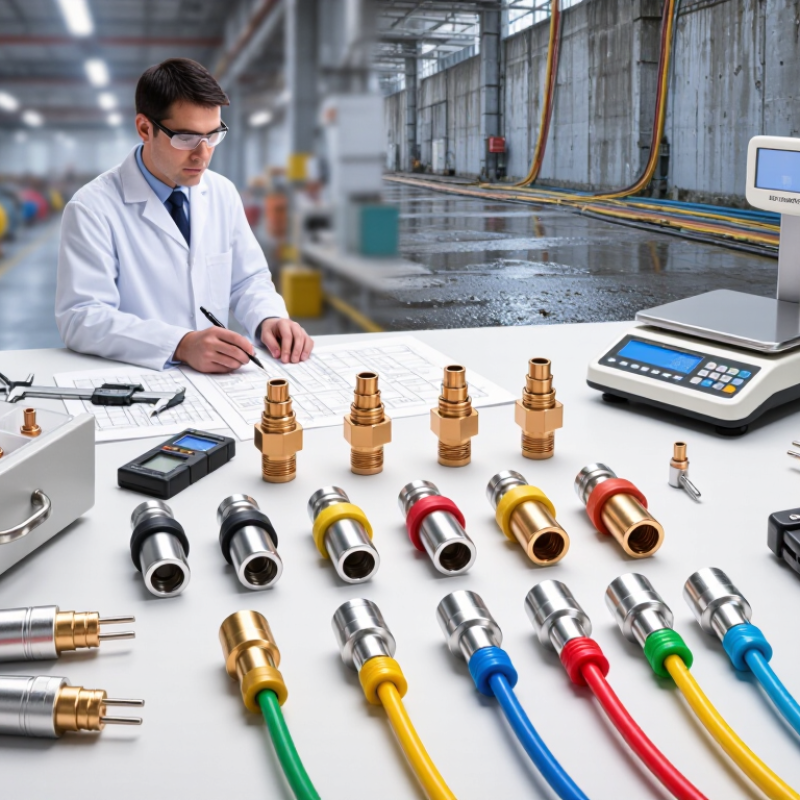
Choosing the right wiring terminal starts with a clear electrical specification. Define rated voltage, continuous current, conductor size, insulation temperature, and fault conditions. Do not rely on nominal voltage alone. A terminal carrying 20 amperes continuously may need higher capacity in a warm enclosure. The International Energy Agency reported that global electricity demand increased by about 2.2% in 2023, increasing pressure on compact power systems. That trend makes thermal margin more important during sourcing.
Mechanical requirements are equally decisive. Specify wire-entry direction, mounting method, pitch, retention force, vibration exposure, and allowable assembly torque. IEC 60512 test methods cover connector performance under electrical, mechanical, and environmental stresses. For crimped connections, standards such as UL 486A-486B address conductor preparation, pull-out strength, and temperature performance. Ask suppliers for test evidence, not only catalogue values. A terminal that fits the drawing may still fail after repeated vibration.
Real projects often expose overlooked details. I once focused on current rating and missed the enclosure clearance. The selected terminal worked electrically, but installation became slow and awkward. Define the complete interface: terminal material, plating, wire range, tool access, sealing needs, and inspection method. MarketsandMarkets has projected continued growth in the global electrical connectors sector, partly driven by electrification and automation. More sourcing options can help, but they can also hide small specification gaps. Leave room for tolerance. Recheck the design with an actual mating wire and tool.
How to Choose the Right Wiring Terminal for Global Sourcing?
Terminal selection begins with the connection method. Crimp terminals suit high-volume assembly and resist vibration when crimp height is controlled. Screw terminals allow field adjustment, but loose torque can create heat and signal loss. Spring terminals handle repeated installation well, especially where tools are limited. Soldered joints provide strong electrical contact, yet they demand cleaner surfaces and careful temperature control. Push-in terminals save time, although their retention should be tested with the actual wire size.
Material changes performance. Copper offers excellent conductivity, while brass can provide better mechanical strength at a lower cost. Aluminum is lighter, but it needs careful attention to oxidation and compatible contact surfaces. Tin plating is common for general protection. Nickel plating may perform better in hotter environments. I have seen sourcing teams compare unit prices and overlook plating thickness, crimp geometry, or insulation quality. That shortcut can become expensive.
For global sourcing, request drawings, material certificates, dimensional reports, and pull-force data. Check voltage, current, temperature, wire range, and installation space against real operating conditions. Test samples after vibration, thermal cycling, and salt exposure when the application demands it. Small differences matter. A terminal that fits visually may still fail electrically. My own preference for crimp connections is not universal; difficult field repairs may justify screws. Supplier claims also need independent verification, because documentation can be complete while testing remains too narrow.
| Terminal Type | Typical Connection Method | Common Wire Range | Typical Conductor Material | Typical Insulation / Plating | Best-Suited Applications | Main Advantages | Key Limitations | Sourcing Considerations |
|---|---|---|---|---|---|---|---|---|
| Ring Terminal | Crimped to the wire and secured with a screw or stud | Approximately 0.25–6 mm² | Copper or electrolytic tough-pitch copper | PVC or nylon insulation; tin plating is common | Automotive harnesses, control panels, grounding, battery connections | Cannot normally pull off a captive stud; good vibration resistance when correctly tightened | Requires access to remove the screw or stud; incorrect crimping can reduce pull-out strength | Specify stud diameter, wire cross-section, crimp profile, insulation support, and applicable test standard |
| Fork / Spade Terminal | Crimped connection secured under a screw head | Approximately 0.25–6 mm² | Copper or copper alloy | Insulated or uninsulated; tin plating is widely used | Terminal blocks, relays, switches, and serviceable control equipment | Faster installation than a ring terminal; suitable where frequent removal is required | May disengage if the screw loosens or if the fork is incorrectly sized | Confirm fork width, stud compatibility, screw-head retention, and vibration requirements |
| Butt Splice | Two wires inserted from opposite ends and crimped | Approximately 0.5–6 mm² | Seamless or seamed copper barrel | PVC, polyolefin, or heat-shrink insulation; tin-plated barrel is common | Wire repairs, harness extensions, in-line splicing, and equipment maintenance | Compact in-line joint; insulated versions provide basic strain and contact protection | Not intended for easy disconnection; moisture protection depends on the insulation system | Define conductor combination, barrel length, crimp-tool requirement, and environmental sealing level |
| Pin Terminal | Crimped to the wire and inserted into a compatible connector housing | Approximately 0.14–6 mm² | Copper alloy or brass | Tin plating for general use; gold plating may be used for low-level signal contacts | Multi-pin connectors, sensors, industrial controls, and vehicle wiring | Supports modular, keyed, and touch-safe connector systems | Must match the housing, contact geometry, wire size, and insertion-force requirements | Control cavity dimensions, locking lance design, mating cycles, plating thickness, and retention force |
| Blade / Quick-Disconnect Terminal | Crimped wire terminal mates with a tab contact | Approximately 0.5–6 mm² | Brass or copper alloy | Tin-plated contact; insulated sleeves may be PVC or nylon | Appliances, automotive circuits, relays, switches, and low-to-medium current equipment | Quick assembly and disassembly; available in common tab widths | Connection reliability depends on correct tab and receptacle fit; exposed versions need protection | Specify tab width and thickness, retention force, current load, housing compatibility, and temperature rating |
| Bootlace Ferrule | Crimped sleeve fitted over stranded wire before insertion into a screw or spring clamp | Approximately 0.25–50 mm² | Electrolytic copper sleeve | Usually tin-plated; optional insulating collar made from polyamide or similar material | Control cabinets, distribution boards, terminal blocks, and fine-stranded conductors | Keeps strands together and helps prevent strand damage during clamping | Not a substitute for a dedicated connector; incorrect ferrule length can cause poor clamping | Match ferrule length and cross-section to the terminal block; verify compatibility with fine-stranded wire |
| PCB Terminal / Wire-to-Board Contact | Crimp, spring, screw, or solder connection to a printed circuit board interface | Approximately 0.08–6 mm² | Copper alloy or brass | Tin or gold contact plating; housing commonly uses an engineering thermoplastic | Embedded electronics, power supplies, instrumentation, and industrial control boards | Compact layout, repeatable assembly, and clear PCB integration options | Requires precise board footprint, housing alignment, and controlled solder or crimp process | Request dimensional drawings, PCB hole or pad data, coplanarity limits, and reflow or soldering compatibility |
| Insulation-Piercing Connector | Metal teeth pierce cable insulation and contact the conductor | Application-specific; commonly used with low-voltage cables | Copper alloy or plated steel contact elements | Polyamide, polycarbonate, or other durable insulating housing materials | Telecommunications, lighting, utility, and selected low-voltage field installations | Can reduce stripping time and simplify field installation | Limited to approved cable sizes and constructions; unsuitable designs can damage conductors | Confirm cable diameter, insulation type, sealing class, installation tool, and regional electrical requirements |
How to Choose the Right Wiring Terminal for Global Sourcing?
A suitable wiring terminal must match more than wire size and shape. Check the required voltage, current, temperature range, insulation material, and conductor type. A terminal designed for stranded wire may perform poorly with solid conductors. Confirm crimp dimensions with the supplier’s drawings, not only product photographs. Small differences in barrel length can affect pull-out strength and electrical stability.
Tips: Request certificates, test reports, and traceable material records before approval. Verify which standard applies in the destination market, such as IEC, UL, or regional requirements. Check whether certification covers the exact terminal series, plating, and size. Inspect markings on samples, including ratings and production codes. Ask for retention-force data from recent batches. A certificate alone can mislead. It may cover a similar product, not the supplied item.
Global compatibility also depends on tooling and installation practice. Confirm that approved crimpers, dies, and inspection gauges are available locally. Test terminals with the actual cable insulation, temperature, and vibration conditions. Review corrosion resistance when shipments or equipment face humidity, salt air, or outdoor exposure. In sourcing work, paperwork is often treated as proof of quality. That is an imperfect assumption. Samples, factory controls, and independent verification still matter. Keep every revision controlled, because a minor material or plating change can invalidate earlier test results.
Choosing the right wiring terminal starts with the supplier, not the catalog. Ask for material certificates, crimp-force data, and plating measurements. Request samples from regular production, not specially prepared pieces. A reliable supplier should explain its inspection points clearly. Check conductor fit, insulation support, pull strength, and contact resistance. Small variations can create expensive assembly problems.
Pricing needs a wider view. Compare tooling, packaging, testing, freight, and minimum-order costs. The lowest unit price may hide weak copper, unstable plating, or frequent rejects. Ask suppliers to quote the same specification and delivery terms. Then review the total landed cost. One overlooked charge can change the decision.
Capacity deserves evidence. Request machine lists, monthly output, current utilization, and lead-time records. Confirm whether critical processes are controlled in-house or outsourced. A factory may promise fast delivery while running near its limit. That risk is easy to miss. A staged order can test actual performance before full volume begins. I would also keep a backup source, although this increases management effort. No checklist is perfect. A supplier can pass an audit and still struggle during demand spikes. Recheck quality, price, and capacity after major material or process changes. Reliable sourcing depends on repeated proof, not one impressive meeting.
A wiring terminal can look correct and still fail during installation.
Global sourcing makes small details more important. Confirm the terminal’s material, wire range, temperature rating, and crimp performance before placing an order. Request test reports from a qualified laboratory or the manufacturer’s controlled quality team. Check whether testing covers pull force, electrical resistance, vibration, corrosion, and repeated temperature changes.
Ask for samples from the same production line used for bulk orders. Test them with the actual wire size and crimping tools. A terminal may pass a basic inspection but perform poorly with a different applicator. That mistake is easy to make. Keep test records, revision numbers, and approval dates in one file. Requirements may differ by destination, so verify applicable regional standards before shipment.
Packaging also affects terminal quality. Specify sealed bags, moisture protection, strong cartons, and clear lot labels. Small terminals can bend or mix during transport. Count accuracy matters too. For international logistics, confirm carton dimensions, gross weight, shipping marks, customs documents, and the agreed delivery term. Use packaging that suits air, sea, or multimodal freight. A rushed packaging decision can increase damage and clearance delays. I once treated labeling as a minor detail; it was not. Leave room for review when the first shipment reveals weaknesses.
Specify voltage, continuous current, conductor size, insulation temperature, and fault conditions. Nominal voltage alone is insufficient. Add thermal margin for warm enclosures.
Define wire-entry direction, mounting method, pitch, retention force, vibration exposure, and assembly torque. Check clearance around the enclosure. A perfect drawing fit may still be awkward during installation.
Wire size and applicator differences can change crimp quality. Test pull strength, contact resistance, and insulation support. Real samples reveal problems that catalog values miss.
Request material certificates, crimp-force data, plating measurements, and inspection records. Use samples from normal production. Specially prepared samples can create false confidence.
Include tooling, packaging, testing, freight, and minimum-order charges. Compare identical specifications and delivery terms. The cheapest unit price may not be the cheapest solution.
Request machine lists, monthly output, current utilization, and lead-time records. Confirm which processes are controlled internally. A staged order can expose delivery problems early.
Test pull force, electrical resistance, vibration, corrosion, and temperature cycling. Use the actual wire and crimping tools. Keep test reports, revision numbers, and approval dates together.
Specify sealed bags, moisture protection, strong cartons, and clear lot labels. Confirm carton size, weight, shipping marks, and customs documents. Small terminals can bend or become mixed in transit.
A backup source can reduce disruption during demand spikes or material changes. It also increases management effort. One audit is not enough; repeat the checks periodically.
Choosing the right Wiring Terminal for global sourcing begins with a clear understanding of the application’s electrical and mechanical requirements. Buyers should define current and voltage ratings, conductor size, operating temperature, vibration exposure, installation space, and expected service life. They can then compare terminal types, materials, plating options, and connection methods to identify the best balance of conductivity, durability, safety, and installation efficiency. Compatibility with different wire designs and equipment interfaces should also be considered.
Before placing an order, verify applicable standards, certifications, and regional requirements to support reliable international use. A complete supplier evaluation should include manufacturing quality, inspection procedures, pricing transparency, production capacity, lead times, and communication efficiency. It is equally important to confirm product testing, traceability, protective packaging, labeling, and shipping arrangements. By reviewing these factors together, buyers can reduce sourcing risks, control total costs, and select Wiring Terminal products that perform consistently across markets and applications.

Igoye Energy