2026 How to Choose the Best Power Capacitor for Your Needs?

Time:2026-07-23 Author:Isabella
0%

Choosing the right Power Capacitor is crucial for optimal performance in various applications. As noted by industry expert Dr. Emily Carter, "Selecting the right Power Capacitor can significantly enhance energy efficiency." This emphasizes the importance of understanding specific needs before making a decision.

In today's market, Power Capacitors come in various types and specifications. Each type serves different purposes. For instance, a high-voltage capacitor may not be suitable for a low-voltage application. Considerations include capacitance, voltage rating, and dielectric material. Knowledge of these factors is essential. Inadequate understanding can lead to inefficiencies or failures.

Moreover, selecting a Power Capacitor requires careful deliberation. Users often overlook brand reputation and product reviews. Researching these aspects can prevent costly mistakes down the line. Ultimately, informed decisions empower users to achieve better results in their projects.
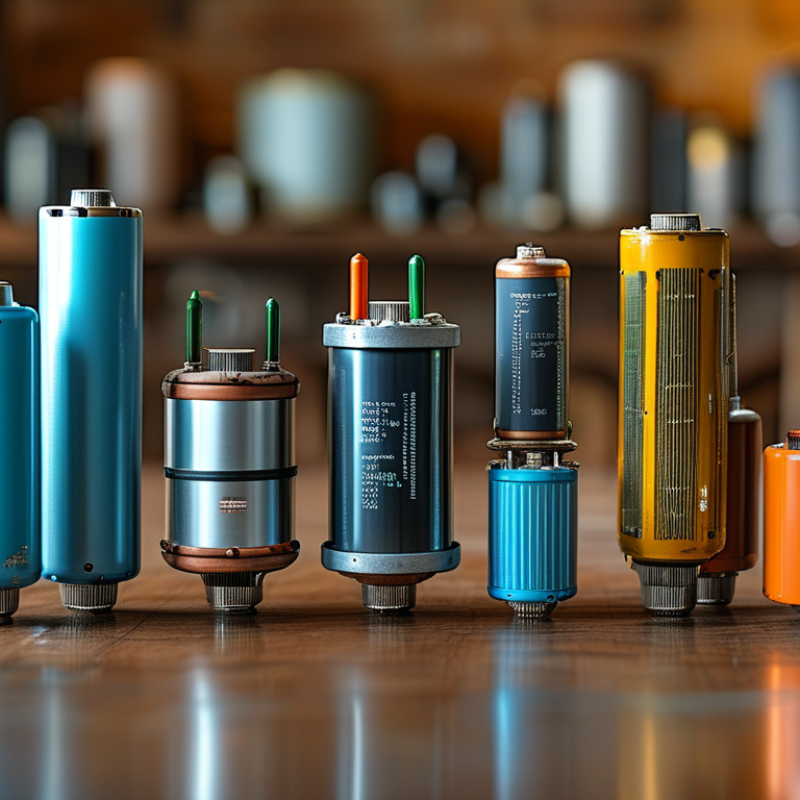
2026 How to Choose the Best Power Capacitor for Your Needs?

Understanding Power Capacitors: Definition and Functionality

Power capacitors play a crucial role in electrical systems. They store and release energy, helping to manage voltage levels and improve power quality. Understanding their functionality is essential for anyone looking to enhance their electrical setup effectively.


When selecting a power capacitor, one must consider several factors. The capacitance value is essential, as it determines how much energy the capacitor can store. Voltage ratings also matter. A capacitor should be able to withstand the voltage levels in your system without failure. Physical size and mounting options are often overlooked but can affect installation and performance.


Improper selection can lead to inefficiencies. A capacitor that is too small may not provide adequate support. On the other hand, an oversized capacitor can waste energy. It's vital to analyze your specific needs carefully. Regular assessments of your electrical system will improve reliability. Sometimes, consulting with professionals can provide insights that a general search may not reveal. Understanding the nuances of power capacitors helps ensure a more effective choice.

Identifying Your Power Needs: Application-Based Capacitor Selection

Choosing the right power capacitor involves a clear understanding of your application needs. Different applications require specific characteristics from capacitors. For example, in renewable energy systems, capacitors enhance energy storage efficiency. A report from the International Energy Agency found that capacitors improve overall system performance by over 15%. This efficiency gain is crucial as the world shifts toward sustainable energy sources.

When evaluating your power needs, consider the voltage and capacitance ratings. High-voltage applications often use specialized capacitors designed for durability and heat resistance. Additionally, energy density plays a role. According to a study by the Electric Power Research Institute, capacitors with higher energy density support more effective energy management in smart grids. Selecting the right type based on these factors can significantly impact long-term performance.

It's common for users to underestimate the importance of capacitor lifespan. Failure in capacitors can lead to costly downtimes and system inefficiencies. Reflecting on past choices can reveal patterns of neglect in maintenance schedules. Regular assessments can prevent such issues. Decisions made today impact future operational capacity. Assessing these factors ensures your system runs optimally and meets your specific demands.

Evaluating Capacitor Specifications: Voltage, Capacitance, and ESR

When choosing a power capacitor, understanding key specifications is crucial. Voltage rating is one of the most important factors. It indicates the maximum voltage a capacitor can handle. Exceeding this can lead to failure. Always choose a capacitor with a voltage rating above your application needs. This ensures reliability and safety.

Capacitance value matters too. It defines how much energy a capacitor can store. An insufficient capacitance may lead to performance issues. Be sure to match the capacitance required for your system. It's not just about picking the highest value; sometimes, lower capacitance is more efficient based on your application.

ESR, or Equivalent Series Resistance, also plays a role. It affects efficiency and heat generation. A lower ESR is usually better but may come at a higher cost. Balancing these factors can be challenging. Reflecting on your requirements will help you make the right choice. Trust your instincts, but validate your findings with reliable resources.

Comparing Capacitor Types: Electrolytic, Film, and Ceramic Options

When choosing a power capacitor, understanding the types available is vital. Electrolytic capacitors are commonly used for power applications. They offer high capacitance in a compact form. However, they have limitations, such as lower voltage ratings and a shorter lifespan. Reports indicate that they can fail under high temperatures, affecting circuit stability.

Film capacitors are another option. They are known for their better reliability and longer lifespan compared to electrolytic types. Data suggests they perform well under high voltages and temperatures. Although film capacitors are larger and bulkier, their performance in high-frequency applications is remarkable. A study found a significant reduction in energy loss, making them suitable for energy-critical tasks.

Ceramic capacitors are popular for their small size and low cost. They exhibit excellent frequency characteristics but have limited capacitance values. Their dielectric properties can vary, which may affect performance under different conditions. Industry data reports fluctuations in capacitance, emphasizing the need for careful selection based on specific needs. Ultimately, evaluating these types will ensure a suitable choice for any application.

2026 How to Choose the Best Power Capacitor for Your Needs? - Comparing Capacitor Types: Electrolytic, Film, and Ceramic Options

Capacitor Type Capacitance Range (μF) Voltage Rating (V) Temperature Range (°C) Lifespan (Hours) Applications
Electrolytic 1 - 10000 10 - 450 -40 to +105 2000 - 10000 Power Supply Filtering, Signal Coupling
Film 0.1 - 10000 50 - 2000 -40 to +85 30000 - 200000 Audio Equipment, Power Electronics
Ceramic 1 pF - 100 μF 6.3 - 3000 -55 to +125 10000 - 120000 RF Applications, Timing Circuits

Ensuring Reliability: Factors Influencing Capacitor Lifespan and Performance

When choosing a power capacitor, understanding its lifespan and performance is crucial. Several factors influence these aspects. Temperature stability, voltage rating, and environmental conditions significantly affect how long a capacitor lasts. Higher temperatures can degrade the materials inside, reducing overall reliability. Proper installation also plays a role; if not mounted correctly, connections can loosen, leading to failure.

Tips: Always examine the operating environment. For instance, capacitors in harsh conditions need to be rated for greater endurance. Check the specifications before purchasing. It’s wise to consult expert reviews and technical papers for reliable insights.

Some capacitors may not perform as expected over time. This often occurs due to insufficient voltage ratings. If a capacitor is overloaded, it will fail prematurely. Regular maintenance checks can reveal potential issues before they escalate. Make it a habit to monitor performance metrics continuously.

2026 Power Capacitor Lifespan and Performance Analysis

This chart illustrates the performance ratings of various power capacitors based on their average lifespan in hours. The ratings reflect the reliability and efficiency of capacitors over time, helping you make informed decisions to choose the best one for your needs.

FAQS

: How do I choose the right power capacitor for my application?

: Understand your application needs first. Different applications require specific capacitor characteristics.

What is the importance of capacitance value?

It indicates how much energy a capacitor can store. Insufficient capacitance can lead to performance issues.

What are the consequences of underestimating capacitor lifespan?

Underestimating lifespan can lead to costly downtimes and system inefficiencies. Regular assessments can help avoid these problems.

Why is voltage rating critical when selecting capacitors?

The voltage rating shows the maximum voltage a capacitor can handle. Exceeding this can cause failure.

What is ESR, and why does it matter?

ESR stands for Equivalent Series Resistance. Lower ESR usually means better efficiency, but it may cost more.

Can you explain the differences in capacitor types?

Electrolytic capacitors are compact but have a shorter lifespan. Film capacitors are reliable but bulkier. Ceramic capacitors are small and low-cost but limited in capacitance.

How does energy density influence capacitor selection?

Higher energy density supports effective energy management. It's essential for smart grids and performance.

What should I reflect on when assessing past capacitor choices?

Past choices may reveal neglect in maintenance schedules. Reflecting can prevent future operational issues.

Can lower capacitance be more efficient?

Yes, sometimes a lower capacitance is more efficient for specific applications. Evaluate your system’s needs carefully.

Why evaluate capacitor specifications before making a choice?

Specifications like voltage, capacitance, and ESR affect reliability and performance. Each factor must align with your application.

Conclusion

When selecting the best power capacitor for your needs, it is essential to understand its definition and functionality. Power capacitors play a crucial role in electrical circuits, providing power factor correction and energy storage. Start by identifying your specific power requirements based on your application to ensure optimal performance. Evaluation of crucial specifications such as voltage rating, capacitance, and equivalent series resistance (ESR) will further guide your selection process.

Additionally, familiarizing yourself with different capacitor types—such as electrolytic, film, and ceramic—can significantly impact efficiency and reliability. Each type offers distinct advantages suited for various applications. Lastly, consider factors influencing the lifespan and performance of power capacitors, including temperature, voltage fluctuations, and environmental conditions. A comprehensive understanding of these elements will help you choose a power capacitor that meets your needs while ensuring longevity and reliability in your electrical systems.


Isabella

Isabella

Isabella is a dedicated marketing professional with a sharp focus on driving brand growth and engagement through strategic content creation. With an extensive background in digital marketing, she combines her passion for storytelling with her keen understanding of industry trends to deliver......