A Power Transfer Switch (PTS) is essential in ensuring seamless switching between power sources. According to a recent report by the Energy Management Association, the PTS market is projected to grow by 10% annually. This growth is driven by the increasing reliance on backup power solutions for both businesses and homes.
Industry expert Dr. John Patel states, "A reliable Power Transfer Switch is crucial for maintaining operational continuity during outages." His insights reflect the growing need for robust power systems. This need is evident as data shows that power outages can cost businesses an average of $150,000 per incident.
However, there are challenges in selecting the right PTS. Not all switches are made equal, and the wrong choice could lead to significant downtime. It's vital for users to understand their specific power requirements. Ultimately, the PTS is more than just a device; it’s a lifeline for any operation that cannot afford to lose power.
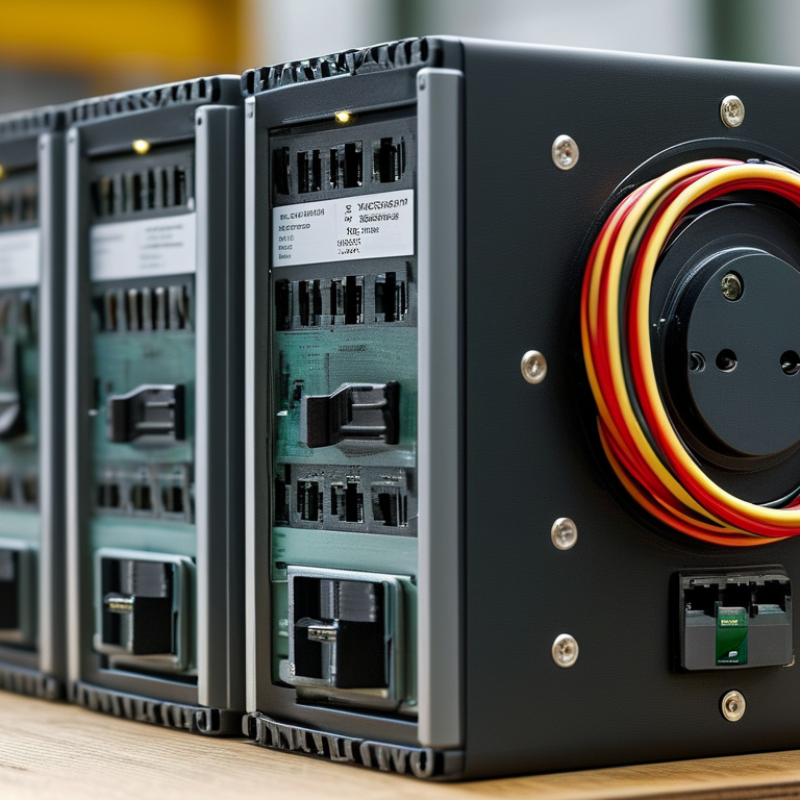
A Power Transfer Switch (PTS) is a crucial component in any backup power system. It allows for a seamless transition between the primary power source and a backup generator during an outage. When utility power fails, the PTS automatically disconnects the main power supply and connects the generator, ensuring that critical loads continue to receive electricity.
Industry reports indicate that proper installation and maintenance of power transfer switches are vital for safety and reliability. The National Fire Protection Association (NFPA) highlights that a significant percentage of power outages occur due to equipment failure. Regular inspections can prevent failures. A well-maintained PTS can last over 10 years, but neglecting it can lead to costly downtime.
Tips: Always consider the power rating of your PTS. Selecting a switch that can handle your load is essential. Installing alarms that notify users of a power issue is also a wise choice. Regular training for staff on the PTS operation can enhance safety. It's worth noting that many users overlook the importance of routine testing. Regular tests not only ensure functionality but also build confidence in the system's performance.
Power transfer switches (PTS) play a vital role in managing electricity supply. They allow seamless switching between different power sources. There are several types of power transfer switches available, each suited for specific applications and needs.
Manual transfer switches require manual intervention to switch between sources. They are cost-effective but not suitable for critical applications where downtime must be minimized. Automatic transfer switches (ATS), on the other hand, detect power outages and switch sources immediately. According to a report by the International Energy Agency, the global demand for ATS is projected to grow by 5.8% annually through 2030. This reflects the rising focus on uninterrupted power supply in industries such as healthcare and data centers.
There are also open-transition, closed-transition, and soft-load transfer switches. Open-transition switches provide a complete disconnection during switching, reducing device wear but causing momentary power loss. Closed-transition switches allow a smooth transition, while soft-load solutions protect sensitive equipment by transferring loads gradually. Each type offers unique benefits but has limitations. Understanding these can save costs and enhance reliability in electricity management.
A Power Transfer Switch (PTS) is crucial for managing electrical power sources. It ensures seamless switching between utility and backup power. The mechanism relies on a series of sensors and switches that detect power interruptions. When the main power supply fails, the PTS automatically transfers the load to a backup generator. This reduces downtime and maintains essential services.
One fascinating aspect of PTS is its role in emergency preparedness. According to the National Fire Protection Association, power outage incidents have increased by 24% over the past decade. This data highlights the importance of having a reliable power backup system in place. When installed correctly, a PTS can guarantee that critical operations continue even during blackouts.
Tips: Regular maintenance of a Power Transfer Switch is essential. Check the switch at least twice a year. It's also advisable to test the generator simultaneously. Documentation should be kept updated, reflecting any changes in the electrical layout. Not every PTS meets safety regulations perfectly, so researching options is key before installation. Conversations with licensed electricians can provide additional insights into selecting the right switch for specific needs.
A power transfer switch (PTS) is vital for managing electrical power supply. It seamlessly switches between a primary power source and a backup generator during outages. Understanding its key components helps ensure reliable performance.
The heart of the power transfer switch lies in its transfer mechanism. This includes contactors or relays, which connect or disconnect power sources. These components must be durable and efficient. They ensure a swift transition to the backup source, minimizing downtime. Additionally, an automatic transfer switch (ATS) uses a control panel to monitor power supply continuously. If the main source fails, it activates the generator without manual intervention, enhancing reliability.
Another crucial component is the enclosure. This houses all electrical parts and protects them from environmental elements. It must be robust and meet safety standards to avoid accidents. Wiring and fuses also play a role in maintaining safe operation. They prevent overload and circuit failures. While most systems are designed for specific capacities, users must reflect on their actual needs to avoid over-saturation or under-utilization. Taking time to assess these components ensures both effectiveness and safety in power management.
Power transfer switches are essential devices in numerous applications. They automatically switch between primary and backup power sources. This capability is crucial in hospitals, data centers, and manufacturing facilities, where uninterrupted power is critical.
In healthcare, a power transfer switch ensures that vital medical equipment remains operational during outages. It allows for seamless transitions, minimizing downtime. Similarly, data centers depend on these switches to maintain server uptime. A sudden loss of power can lead to data loss or corruption, which is costly.
The benefits extend beyond just reliability. Power transfer switches also enhance safety. They prevent backfeeding, which can endanger utility workers during maintenance. On the downside, these systems require regular testing and maintenance. Neglecting this can lead to failures when they are most needed. Therefore, ongoing assessment and planning are essential for optimal performance.
| Feature | Description | Applications | Benefits |
|---|---|---|---|
| Automatic Functionality | Automatically switches to backup power when primary source fails. | Hospitals, Data Centers, Industrial Plants | Ensures uninterrupted power supply. |
| Manual Control | Allows user to switch between power sources manually. | Construction Sites, Remote Locations | Provides flexibility in power management. |
| Safety Mechanisms | Includes features to prevent back-feeding into the grid. | Residential, Commercial Buildings | Enhances electrical safety for maintenance personnel. |
| Load Capacity | Available in various sizes to support different loads. | Commercial Systems, Industrial Equipment | Accommodates different power demands. |
| Remote Monitoring | Allows monitoring of power status from a distance. | Critical Infrastructure, Utilities | Improves response times in outages. |
: A PTS allows a smooth switch between utility power and a backup generator during outages.
Proper maintenance ensures safety and reliability, minimizing equipment failures that could cause outages.
A PTS can last over 10 years with regular maintenance. Neglecting it can lead to problems.
The main types are manual, automatic, open-transition, closed-transition, and soft-load switches.
An ATS detects outages and switches sources without manual input, ensuring continuous power supply.
The transfer mechanism connects or disconnects power sources quickly, minimizing downtime during power changes.
Knowing the components helps users ensure reliable performance and avoid overloading or under-utilization.
Regular testing ensures functionality and builds confidence in the system’s performance over time.
Underestimating needs can lead to system overload or insufficient power during critical times.
The enclosure protects electrical parts from environmental damage, ensuring safe operation.
A Power Transfer Switch (PTS) is a crucial device that ensures a reliable and efficient transfer of electrical power between different sources, typically between the utility grid and a backup generator. There are various types of PTSs, including manual and automatic switches, each suited for specific applications and environments. Understanding how a Power Transfer Switch operates is essential, as it involves a seamless shift from the primary power source to a backup to maintain continuous power supply during outages.
Key components of a Power Transfer Switch include control mechanisms, switches, and indicators that work together to monitor power availability and facilitate the safe transfer of power. Common applications range from residential setups to large industrial systems, providing numerous benefits such as enhanced reliability, reduced downtime, and increased safety during power interruptions. Overall, a Power Transfer Switch is vital for ensuring uninterrupted power supply in various scenarios.

Igoye Energy