When it comes to selecting the right Din Rail Socket, careful consideration is key. The global market for Din Rail Sockets has witnessed significant growth, reaching an estimated value of $1.2 billion in 2023, according to a recent industry report by TechInsights. With the rising demand for modular automation systems, the choice of Din Rail Sockets becomes increasingly critical for efficiency and safety.
Experts emphasize the importance of investing in high-quality components. Dr. Emily Parker, a renowned electrical engineering specialist, states, "Choosing the right Din Rail Socket can enhance system reliability and reduce maintenance costs." This sentiment reflects the insights gathered from numerous installations and the associated operational challenges. Making an informed decision means considering factors such as current ratings, durability, and environmental resistance.
Choosing a Din Rail Socket isn't just about specifications; it’s about understanding the operational context. One size does not fit all, and what works for one application may fail in another. It's crucial to analyze past experiences and industry benchmarks to ensure optimal selection. A reliable socket can mitigate downtime and improve overall system performance. Addressing these details can make all the difference in your electrical projects.
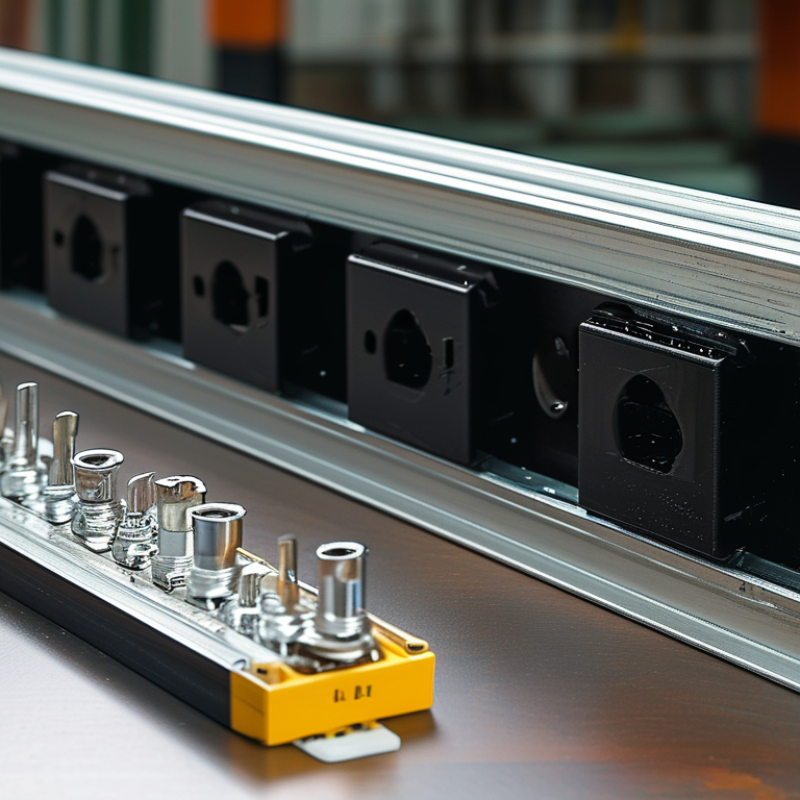
Din rail sockets are essential components in electrical setups. Understanding their types and applications helps make informed choices. In industrial settings, standard DIN rail sockets are common. They can accommodate various devices, including relays and circuit breakers. These sockets come in different configurations to suit diverse needs.
When selecting a DIN rail socket, consider the amperage and voltage ratings. Check compatibility with your equipment. Some sockets are designed for high-frequency applications, while others are better for low-power devices. Remember that the installation environment also matters. Moisture and dust can affect performance and longevity.
It's important to reflect on your specific needs. Do you require multiple connections? Or is a single outlet sufficient? Testing various options may lead to better solutions. Observing others’ setups can inspire improvements. Always prioritize safety and reliability. Choosing the right socket ensures efficient performance in your electrical projects.
When selecting a DIN rail socket, it’s essential to assess various factors carefully. One pivotal aspect is the current rating. This rating indicates how much electrical load the socket can handle. If you choose a socket with a lower rating than required, it may overheat or fail. Confirming the specifications of your application can prevent potential hazards.
Another factor to consider is the socket’s material and design. High-quality materials ensure durability and safety. Look for sockets with insulation properties that can withstand environmental conditions. Some sockets may not provide adequate protection against dust or moisture. This detail is crucial in harsh conditions, where inferior components can lead to system failure.
Compatibility with your existing equipment must also be evaluated. Different systems have varying requirements. A socket designed for certain environments may not suit others. Ignoring compatibility can result in wasted resources and unexpected downtime. Spending time on these considerations ensures a reliable and efficient electrical setup. Reflecting on these aspects can lead to better long-term choices.
When evaluating electrical specifications for din rail sockets, compatibility is critical. Look for voltage ratings that match your system. Many reports indicate that mismatches can cause overheating or failures. For example, a voltage rating of 230V is typical in most industrial applications. Always ensure the socket can handle your specific voltage needs.
Current ratings also play a vital role. Sockets are often rated for currents like 10A or 16A. Operating above these limits may lead to insulation breakdown. According to industry data, a significant percentage of socket failures is linked to incorrect current ratings. This often results from rushed decisions during installation.
Additionally, check the material quality. High-temperature thermoplastics are preferred for durability and safety. A study found that sockets made from inferior materials have higher failure rates due to environmental stressors. Look for specifications that indicate impact resistance and temperature ratings. Such details can significantly influence performance and reliability over time.
| Type | Voltage Rating (V) | Current Rating (A) | IP Rating | Number of Outputs | Material |
|---|---|---|---|---|---|
| Standard Socket | 230 | 16 | IP20 | 2 | Plastic |
| Heavy Duty Socket | 400 | 32 | IP65 | 4 | Metal |
| Smart Socket | 230 | 10 | IP20 | 3 | Plastic |
| Compact Socket | 230 | 16 | IP30 | 2 | Plastic |
Choosing the right din rail socket involves careful consideration of its durability and material quality. Durable sockets can withstand different environmental conditions without degrading over time. This is especially important in industrial settings, where wear and tear is more pronounced. Evaluate the materials used in manufacturing. High-quality plastics and metals often offer better longevity.
Another aspect to think about is the socket's resistance to heat and electrical stress. Some materials may not perform well under prolonged exposure to high temperatures. Look for sockets that are designed to endure such conditions. However, not every option will excel in all areas. There may be trade-offs between cost and quality. Be critical in your assessment to avoid overlooking potential flaws.
Consider how the socket will be used. A heavy-duty socket might not be necessary for light use, but it should provide reliable performance nonetheless. Reflecting on your specific needs can guide your choice. Remember that while reviews and recommendations can help, relying solely on them may lead to misjudgments. Each socket’s performance varies based on the application, so testing in your unique setting is vital.
When installing Din rail sockets, ensuring optimal performance requires attention to detail. Start by selecting a mounting area with sufficient ventilation. Poor airflow can lead to heat buildup, which affects performance. According to industry studies, overheating can decrease the life expectancy of electrical components by as much as 30%. Proper placement often makes a significant difference.
Wiring practices are also critical. Adhere to installation manuals and industry standards, ensuring that wire lengths are minimal and secured properly. Loose connections or excessive lengths can lead to voltage drops or failures. In fact, research indicates that improper wiring is a common cause of circuit malfunctions, accounting for nearly 25% of operational issues.
Finally, regular maintenance is essential. Dust and grime accumulation can impede performance over time. Industry guidelines recommend cleaning Din rail sockets every six months. Even with best practices, human error can happen. It’s critical to regularly evaluate installations and identify areas for improvement to prevent future complications.
: Din rail sockets connect various electrical devices in setups. They are common in industrial environments.
Assess amperage and voltage ratings for your setup. Check compatibility with connected equipment too.
Mismatched voltage can cause overheating or socket failure. Always ensure the ratings align with your system.
High-quality materials ensure durability and longevity. Inferior materials lead to higher failure rates.
Yes, moisture and dust can diminish performance and lifespan. Always consider the installation environment.
Observe others' setups or test various options in your system. This may lead to better insights.
Good heat resistance means the socket can endure high temperatures without degrading. This ensures reliability.
Not always. Assess your specific needs to avoid unnecessary costs. Reliability should remain a priority.
Yes, some less expensive options may sacrifice durability. Evaluate critically to avoid overlooking flaws.
No, reviews can mislead. Each socket's performance varies based on application. Testing in your setting is essential.
When selecting a Din Rail Socket, it's essential to understand the different types and applications available to ensure you choose the right one for your specific needs. Key factors to consider include electrical specifications for compatibility with existing systems and the durability of the material used, which is crucial for long-term reliability.
Additionally, installation tips can enhance the performance of Din Rail Sockets, ensuring optimal functionality in various environments. By assessing these aspects carefully, you can make a well-informed decision that aligns with both your technical requirements and operational demands.
Igoye Energy