Choosing the right AC circuit breaker is crucial for safety and efficiency. According to electrical engineer John Smith, "A well-selected AC circuit breaker prevents overloads and protects your electrical system." Understanding the purpose and features of these breakers is essential for any homeowner or technician.
AC circuit breakers come in various sizes and specifications. Selecting the correct type can be overwhelming. Consider factors like amperage, voltage rating, and trip curves. It's important to analyze your electrical load and future needs. Ignoring these details could lead to dangerous scenarios or systems that fail to operate properly.
Take time to research and consult experts. Choosing the right AC circuit breaker impacts your home's safety. A randomized decision might lead to increased risks in electrical fires or system failures. Systematically evaluating your options ensures your choice is both efficient and reliable.
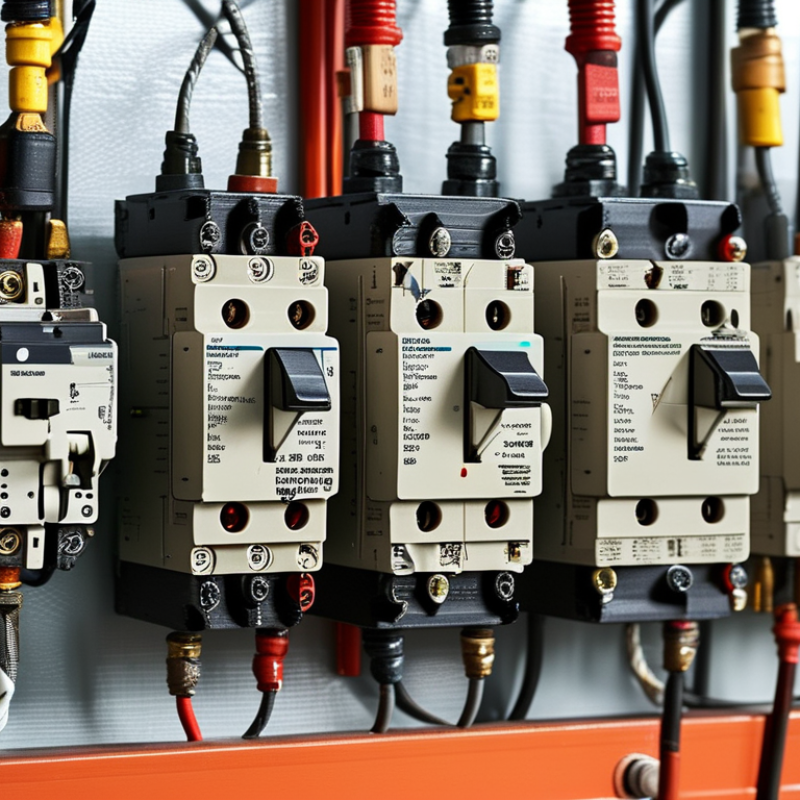
AC circuit breakers play a crucial role in electrical systems. They protect circuits from overloads and short circuits. When a fault occurs, the breaker trips. This action prevents potential fire hazards and equipment damage. Understanding this safety mechanism is essential for both homeowners and professionals.
Choosing the right AC circuit breaker requires knowledge. Breakers vary in size, capacity, and type. Some are designed for residential use, while others cater to commercial environments. Factors to consider include the electrical load and specific applications. It's important to ensure compatibility with your system.
Installation might seem straightforward, but mistakes can happen. Incorrect ratings or types can lead to failure. This complicates protection and increases risks. Consulting an experienced electrician can help avoid common pitfalls. Being informed about AC circuit breakers fosters safer electrical systems.
Choosing the right AC circuit breaker is crucial for the safety and efficiency of your electrical system. The chart illustrates the importance of various factors to consider when selecting a circuit breaker, such as Current Rating, Voltage Rating, Interrupting Capacity, Type, and Features.
Choosing the right AC circuit breaker involves understanding several key factors. The first aspect is the load capacity. Knowing the amperage requirements for your electrical system is crucial. According to industry standards, overloading a breaker can lead to failures. It's essential to select a breaker that matches or exceeds your load needs. This data is often found in building codes.
Consider the voltage rating as well. AC circuit breakers are designed for specific voltages. Using a breaker with a lower rating than needed can cause malfunction. It's important to check the voltage specifications of your equipment. The National Electrical Manufacturers Association (NEMA) emphasizes that a proper voltage rating enhances safety.
Environmental factors matter too. Breakers installed in humid or dusty areas require special attention. They may need to be rated for moisture resistance. The type of enclosure and additional features, like surge protection, can improve reliability. Choosing a breaker suited for the installation environment is often overlooked. This decision impacts the lifespan and performance of the electrical system.
When selecting an AC circuit breaker, understanding the various types and their applications is crucial. Common types include miniature circuit breakers (MCBs) and residual current devices (RCDs). MCBs protect circuits from overload and short circuits. They are ideal for residential and commercial buildings, where electrical safety is crucial. RCDs, on the other hand, safeguard against electrical shocks by detecting ground faults. They are essential in wet areas like bathrooms and kitchens.
Each type plays a specific role in ensuring safety and efficiency. A dual function breaker combines the features of both MCBs and RCDs. It offers comprehensive protection, reducing the need for multiple devices. However, choosing the right one can be challenging. You must consider your unique electrical needs and potential risks. It's easy to overlook these factors when making a selection, leading to inadequate protection.
While it might seem straightforward, making the best choice requires careful thought. Common mistakes include opting for lower-rated breakers to save money. This can lead to system failures or dangerous situations. Understanding load requirements and potential hazards is essential to avoid these pitfalls. Thus, consulting with an expert can greatly enhance your decision-making process. This ensures you choose the right breaker for your specific application.
| Type of AC Circuit Breaker | Specific Application | Amp Rating Range | Voltage Rating |
|---|---|---|---|
| Standard Circuit Breaker | Residential applications | 15 - 200 Amps | 120/240V |
| Miniature Circuit Breaker (MCB) | Light and power circuits | 1 - 100 Amps | 230V |
| Residual Current Circuit Breaker (RCCB) | Protection against earth faults | 25 - 100 Amps | 240V |
| Earth Leakage Circuit Breaker (ELCB) | Prevent electrical shocks | 16 - 125 Amps | 230V |
| Air Circuit Breaker (ACB) | Industrial power distribution | 100 - 5000 Amps | 400V and above |
When choosing the right AC circuit breaker, understanding your electrical load requirements is crucial. According to the National Electrical Code (NEC), every circuit must be capable of safely handling the electrical load it supplies. For residential air conditioning systems, a common recommendation is to install breakers that can handle 125% of the system's full-load current. This ensures reliable operation and can help prevent nuisance tripping.
Calculating the correct load starts with assessing your AC unit's specifications. For instance, a standard 2-ton air conditioner may require approximately 18 amperes according to the Air Conditioning Contractors of America (ACCA). When selecting a breaker, it’s essential to factor in startup currents, which can be significantly higher. This approach reduces the likelihood of the circuit breaker tripping unexpectedly during compressor startup.
Reviewing past electrical consumption can provide insight into your needs. The Department of Energy notes that air conditioning typically accounts for 12% of residential energy consumption. This statistic highlights the importance of accurately sizing your circuit breaker to match your specific load requirements. An undersized breaker can lead to increased wear on your AC system and could compromise safety. Thus, careful evaluation is vital for long-term efficiency and protection.
When selecting AC circuit breakers, a firm understanding of safety standards is crucial. These standards ensure that circuit breakers function effectively during faults, protecting both devices and individuals. Compliance with regulations, such as those set by the National Electrical Code (NEC) or similar organizations, is a must. Each region may have distinct codes that govern circuit breaker specifications, influencing installation practices.
A reliable circuit breaker must pass rigorous testing to meet safety requirements. These tests assess the breaker’s ability to interrupt power safely under fault conditions and its resilience to overcurrent situations. While many products meet basic standards, not all perform optimally in real-life applications. It's vital to examine the specifics of each breaker, focusing on the amperage rating and the voltage protection level.
Choosing a breaker that aligns with local regulations is important, but understanding your own needs can be tricky. You might find a breaker that works well on paper but fails in practical situations. User reviews and expert opinions can help but may also contradict each other. Always weigh the information you gather, considering current safety guidelines and potential changes in your electrical load requirements.
C circuit breaker?
Using a breaker with a lower voltage rating can cause malfunction. Always check the voltage specifications of your equipment.
Breakers in humid or dusty areas need moisture resistance. This choice impacts the lifespan and reliability of your system.
Common types include miniature circuit breakers (MCBs) and residual current devices (RCDs). Each serves unique safety roles.
Choosing lower-rated breakers to save costs can lead to system failures. It's essential to understand your load needs fully.
Assess your AC unit's specifications. For instance, a 2-ton AC may need around 18 amperes for reliable operation.
Startup currents can be significantly higher. Factor these in to reduce the chance of unexpected tripping during operation.
Analyzing past energy use provides insight into your load requirements. This helps to accurately size your circuit breaker.
Common errors include neglecting load requirements or choosing based on low costs. Such oversights could compromise safety.
Yes, consulting an expert can enhance your decision-making. It ensures you choose the right breaker for your specific needs.
When selecting the right AC circuit breaker, it's essential to understand its critical role in electrical systems, serving as a safeguard against overloads and short circuits. Key factors to consider include the specific electrical load requirements, where the circuit breaker must be able to handle the expected current without tripping unnecessarily.
This guide also highlights various types of AC circuit breakers, each suited for specific applications, such as residential, commercial, or industrial use. Additionally, it emphasizes the importance of adhering to safety standards and regulations to ensure reliable operation and protection. By evaluating these aspects, one can make an informed decision when choosing an AC circuit breaker that ensures safety and efficiency for electrical systems.

Igoye Energy