2026 Top Types of Thermal Relays for Global Buyers

Time:2026-09-16 Author:Oliver
0%

As global industries prepare for 2026, buyers need more than a basic catalog of Thermal Relays. They need dependable protection for motors, pumps, compressors, conveyors, and control panels. A relay that works well in a clean workshop may perform differently in a hot factory or dusty warehouse. Small details matter.

This guide introduces the main types of Thermal Relays available to international buyers. It considers bimetallic overload relays, electronic thermal protection, manual and automatic reset designs, and adjustable models. Each type serves a different operating condition. Selection should reflect motor current, starting frequency, ambient temperature, enclosure design, and expected maintenance access.

Practical experience shows that nameplate ratings alone rarely tell the full story. Buyers should compare trip classes, phase-loss protection, mounting compatibility, terminal quality, and verified test data. Fit comes first. A technically strong relay may still create delays if it does not match the contactor or panel layout. Regional certification requirements and supplier documentation also deserve careful review before purchase.

The following sections evaluate performance, reliability, installation needs, and purchasing risks across leading relay categories. They also explain where common assumptions can fail, especially when operating temperatures change. The market continues to evolve, but not every new feature improves field performance. Evidence matters more than attractive specifications. This overview aims to support informed decisions through clear comparisons, realistic use cases, and responsible sourcing guidance for global buyers.
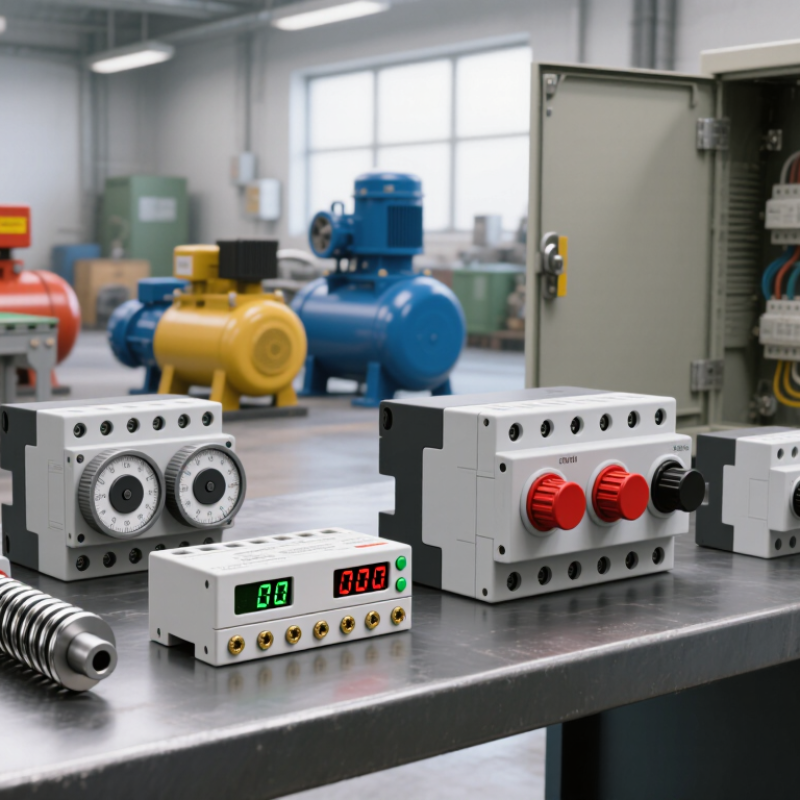
2026 Top Types of Thermal Relays for Global Buyers

Thermal Relay Basics and Its Role in Motor Protection

A thermal relay protects a motor from sustained overcurrent. It works through heat, not instant interruption. Inside, a heater warms a bimetal strip as current rises. The strip bends and triggers the relay after a set delay. This delay matters. It allows normal starting current without unnecessary trips. However, a thermal relay cannot replace short-circuit protection. A fuse or circuit breaker must handle sudden, high fault currents.

For global buyers in 2026, common options include adjustable bimetal relays and electronic thermal overload relays. Bimetal designs remain practical for standard motor control panels. Electronic types can offer wider adjustment ranges and clearer phase-loss detection. Set the relay close to the motor’s rated full-load current. Do not simply choose the largest available setting. That mistake can leave windings overheated while the motor still appears functional.

Installation details affect real protection. Tight terminals prevent hot spots. Correct contactor coordination helps the relay disconnect the motor safely. Ambient heat, frequent starts, blocked cooling vents, and unbalanced phases can increase stress. Many modern relays detect phase loss, but buyers should verify the technical data. In field checks, I would inspect trip history, wiring temperature, and reset behavior. A manual reset may improve safety during fault investigation. Still, no selection method is perfect. Motor duty can change after installation, and the original setting may need review.

How Thermal Relays Detect and Respond to Overloads

2026 Top Types of Thermal Relays for Global Buyers

Thermal relays protect motors by responding to excessive current over time. Inside, a bimetal strip warms as motor current passes through a heating element. When the temperature reaches its calibrated point, the strip bends and activates the trip mechanism. The control contact then opens, stopping the motor starter. This response is intentionally delayed. A motor may draw high starting current for several seconds without needing a shutdown. The relay must distinguish normal starting from a sustained overload.

Most thermal relays use inverse-time operation. A larger overload produces faster tripping, while a smaller overload allows more running time. This matches how motors heat in real applications. For example, a conveyor carrying a jammed box may continue drawing excessive current until the relay reacts. Manual reset is often preferred where unexpected restarting could create danger. Automatic reset may suit supervised equipment, but it requires careful control design. That choice is easy to underestimate.

Thermal relays do not replace short-circuit protection. Fuses or circuit breakers handle faults with much higher current levels. Buyers should check motor full-load current, trip class, ambient temperature, phase-loss behavior, and reset options. Mounting conditions also matter. A hot control cabinet can change thermal response. Field testing should confirm that the relay trips correctly without nuisance interruptions. In practice, installation errors remain common, even with a properly selected device. Verify ratings against applicable regional standards and the motor manufacturer’s instructions.

Main Types of Thermal Relays for Different Applications

2026 Top Types of Thermal Relays for Global Buyers
Thermal relays protect motors from prolonged overload and overheating. Their operation is simple, but application details matter.

Bimetallic thermal relays remain common in pumps, fans, conveyors, and small industrial motors. A heater warms a bimetal strip, causing it to bend and open the control circuit. These relays are economical and easy to adjust. They also respond naturally to motor heating. However, they may react slowly during short, severe faults.

Electronic thermal overload relays suit compressors, production lines, and equipment requiring closer monitoring. They measure current through sensors and calculate a thermal model. Many versions detect phase loss, phase imbalance, and repeated starting. Their settings usually match the motor nameplate current and selected trip class. This improves protection during heavy starting conditions. Still, electronic accuracy depends on correct wiring and configuration.

Manual-reset and automatic-reset versions serve different operating environments. Manual reset is safer where unexpected restarting could endanger equipment or workers. Automatic reset can support unattended systems, such as ventilation units, but it requires careful risk assessment. Ambient-compensated relays are useful where control cabinets experience changing temperatures. A common mistake is choosing only by rated current. Cable size, motor duty, starting frequency, enclosure temperature, and load behavior should also be checked. No selection rule works perfectly. Field testing may reveal assumptions that technical sheets miss.

Key Selection Criteria for Global Buyers in 2026

In 2026, global buyers should select thermal relays by application, not by catalog popularity. Bimetallic relays suit simple motor protection and cost-sensitive equipment. Electronic thermal relays offer finer adjustment, phase-loss detection, and clearer diagnostics. Hybrid designs can balance dependable overload response with modern monitoring needs. The right type depends on motor current, starting duration, load changes, and operating frequency.

Check the relay’s adjustable current range against the motor’s actual full-load current. Avoid choosing a unit that operates permanently near its maximum setting. Trip class also matters. A slow-starting compressor may require a higher class than a standard fan. Ambient temperature can distort performance, especially inside a crowded control cabinet. Derating data should be reviewed carefully.

Global projects also need compatible voltage systems, terminal designs, enclosure ratings, and recognized safety certifications. Confirm whether the relay supports manual or automatic reset. Manual reset is often safer where unexpected restarting could create hazards. During factory testing, record trip times at different temperatures. Real installations rarely match laboratory conditions.

Installation experience reveals a common mistake: buyers focus on rated current and overlook wiring space. That oversight can complicate maintenance later. Digital diagnostics sound useful, but they may add cost without value in small machines. Documentation quality is another practical test. Clear curves, replacement guidance, and multilingual instructions improve reliability across borders. No selection is perfect; review field data after commissioning and adjust future specifications accordingly.

Installation, Maintenance, and Compliance Considerations

2026 Top Types of Thermal Relays for Global Buyers

Installation, Maintenance, and Compliance Considerations

Thermal relays protect motors from prolonged overload and phase imbalance. Common designs include bimetallic overload relays and electronic thermal relays. Selection should match motor current, starting duration, ambient temperature, and enclosure conditions. A relay sized only from the nameplate may trip during normal startup. That mistake is surprisingly common.

During installation, place the relay close to the contactor and follow the specified wiring diagram. Tighten terminals with a calibrated torque tool, not guesswork. Verify control voltage before energizing the panel. Check that the reset mode suits the machine’s risk profile. Manual reset is often safer where unexpected restarting could injure workers. Leave space for ventilation. Heat inside a crowded cabinet can change trip performance.

Maintenance should include visual checks, terminal inspection, and functional testing at planned intervals. Dust, vibration, and loose conductors deserve attention. Record trip settings and test results. Records matter. For international purchases, request conformity documents, test reports, installation instructions, and traceable ratings. IEC 60947-4-1 may apply, but destination markets can require additional certification or language-specific documentation. Confirm current requirements with a qualified local professional. Standards and interpretations change. A relay can be technically sound yet still fail an approval review because its file is incomplete.

2026 Top Types of Thermal Relays for Global Buyers - Installation, Maintenance, and Compliance Considerations

Thermal Relay Type Operating Principle Typical Applications Typical Current / Response Characteristics Reset and Trip Features Installation Considerations Maintenance Requirements Key Compliance Considerations
Bimetallic Thermal Overload Relay Heater elements warm bimetal strips. The strips bend under sustained overcurrent and mechanically open the auxiliary contact. Three-phase induction motors, pumps, fans, conveyors, compressors, and general motor starters. Commonly selected for motor full-load currents from approximately 0.1 A to 630 A, depending on the frame and accessory system. Inverse-time response generally allows motor starting current but trips during prolonged overload. Manual or automatic reset may be available. Phase-loss sensitivity and adjustable trip-class settings are commonly offered. A cooling period may be required before reset. Install downstream of the contactor and set the current dial to the motor nameplate full-load current, subject to local electrical rules. Use correctly rated conductors and tighten terminals to the specified torque. Inspect terminals for loosening, check enclosure cleanliness, verify the setting, and test the trip circuit during scheduled maintenance. Do not bypass the overload contact. Confirm conformity with the applicable low-voltage switchgear and controlgear requirements, commonly IEC 60947-4-1 and IEC 60947-1, or the equivalent market standard. Verify short-circuit coordination with the upstream protective device.
Electronic Overload Relay with Thermal Model Current sensors measure motor current, while an electronic algorithm estimates motor heating and accumulated thermal capacity. High-efficiency motors, variable-load machinery, production lines, critical pumps, and applications requiring precise protection and diagnostics. Typical ranges extend from less than 1 A to several hundred amperes, with broader adjustment ratios than basic bimetallic units. Response can account for phase imbalance, phase loss, and repeated starts. Usually provides selectable manual or automatic reset, trip-class selection, phase-loss detection, event indication, and sometimes communication or diagnostic outputs. Provide the specified control voltage, observe sensor orientation and wiring polarity where applicable, and maintain separation from high-noise power wiring. Program motor current and trip parameters before commissioning. Check firmware or parameter records where relevant, inspect wiring and terminals, verify sensor integrity, and perform functional trip tests. Keep ventilation openings clear and protect the unit from condensation. Review declared electromagnetic compatibility, environmental ratings, creepage and clearance, control-circuit ratings, and applicable IEC 60947 requirements. For export projects, verify the destination market's marking and documentation rules.
Electronic Motor Protection Relay with Current and Voltage Monitoring Microprocessor-based measurement evaluates current, voltage, phase sequence, phase loss, imbalance, underload, and thermal capacity. Large motors, water and wastewater systems, HVAC equipment, process machinery, and installations where downtime or motor damage is costly. Current and voltage ranges depend on direct input ratings or external transformers. Adjustable time delays help distinguish normal starting conditions from faults. Manual, remote, or automatic reset may be supported. Alarm relays, password protection, fault history, and local display functions are common. Use correctly rated voltage transformers or current transformers when required. Configure motor data, phase sequence, delay times, and restart behavior. Provide a clearly identified isolation means. Review recorded faults, verify measurement accuracy, inspect instrument-transformer connections, and test alarm and trip outputs. Recheck settings after motor or system changes. Assess measurement-circuit insulation, impulse withstand, EMC performance, ingress protection, and functional safety requirements where applicable. Coordination studies should include upstream fuses or circuit breakers.
PTC Thermistor Motor Protection Relay PTC sensors embedded in motor windings increase sharply in resistance at a defined temperature. The relay detects this change and switches the protection output. Motors with embedded winding sensors, frequent-start applications, compact machines, fans, pumps, and motors exposed to high ambient temperatures. Temperature-based protection rather than current-only protection. It can detect overheating caused by overload, blocked ventilation, high ambient temperature, or frequent starts when suitable sensors are installed. Reset may be automatic after the winding cools or manual through a control circuit. The relay must be matched to the sensor type and switching threshold. Sensor leads must be separated from power conductors where practical and connected according to the sensor circuit requirements. A PTC relay normally supplements, rather than replaces, short-circuit protection. Test sensor continuity and resistance behavior, inspect sensor wiring, check relay contacts, and investigate repeated trips before resetting. Never short-circuit the sensor input as a permanent measure. Confirm sensor insulation, control-contact ratings, dielectric strength, EMC characteristics, and suitability for the motor protection assembly. Installation must follow the motor and relay documentation.
Overload Relay Integrated with a Motor Starter A contactor and overload protection device are mechanically and electrically coordinated as one starter assembly for switching and sustained-overload protection. Packaged control panels, pumps, fans, conveyors, machine tools, and standardized direct-on-line motor circuits. Available across small and medium motor ratings. The overload component is selected according to motor full-load current, while the contactor is selected for the utilization category and duty. Manual reset is often preferred for industrial machinery to prevent unexpected restart. Auxiliary contacts provide electrical interlocking and fault signaling. Check mechanical compatibility, terminal arrangement, control voltage, enclosure space, conductor sizing, and contactor utilization category. Provide isolation and emergency-stop functions where required. Inspect contact wear, overload settings, terminal torque, enclosure temperature, and auxiliary-contact operation. Replace damaged or welded components rather than repeatedly resetting the starter. Verify assembly ratings, utilization category, short-circuit withstand or coordination data, enclosure protection, and compliance with applicable IEC 60947-4-1 or equivalent national requirements.
Manual Motor Starter with Thermal-Magnetic Protection An adjustable thermal element responds to sustained overload, while a magnetic element provides rapid short-circuit or high-current fault interruption. Small motors, local disconnecting and switching, machine auxiliaries, workshop equipment, and applications requiring combined manual control and protection. Commonly used for low-power motor circuits, with the exact current range determined by the device design. Thermal tripping is slower than magnetic fault interruption. Typically includes a rotary or push-button operator, manual reset, and trip indication. Automatic restart is generally not provided unless an additional control arrangement is used. Install with the required line and load orientation, maintain specified clearances, and verify the motor's starting current does not cause nuisance tripping. Use an approved enclosure for the installation environment. Operate and inspect the mechanism, check terminal tightness, remove dust, and test the trip function according to the maintenance schedule. Do not use the starter as a substitute for an upstream isolation procedure. Confirm voltage, interrupting capacity, motor-starting suitability, pollution degree, enclosure rating, and local requirements for disconnects and overcurrent protection.

Note: Current ranges, trip classes, environmental ratings, and available functions vary by product design and application. Final selection should be based on the motor nameplate, starting method, fault level, ambient conditions, enclosure, and the regulations applicable at the installation location.

FAQS

How does a thermal relay detect a motor overload?

Motor current heats a bimetal strip through a heating element. The strip bends at a calibrated temperature. Then, the control contact opens and stops the motor starter. It reacts to heat, not an instant current spike.

Why does a thermal relay wait before tripping?

Motors often draw high current during startup. A delayed response prevents unnecessary shutdowns during those few seconds. A sustained overload keeps producing heat and eventually causes a trip. Timing can still vary with installation conditions.

What does inverse-time operation mean?

A larger overload causes faster tripping. A smaller overload allows more operating time. This behavior reflects how motor windings heat in real equipment. A jammed conveyor may keep drawing excessive current until protection responds.

Can a thermal relay replace short-circuit protection?

No. Thermal relays handle overloads developing over time. Fuses or circuit breakers handle much higher fault currents. Both protection methods may be needed in one motor circuit.

Should a buyer choose manual or automatic reset?

Manual reset can prevent unexpected restarting near hazardous equipment. Automatic reset may suit supervised machinery with suitable control logic. The choice is easy to underestimate. A restart after cooling could surprise an operator.

What ratings should buyers check before selecting a thermal relay?

Check the motor’s full-load current and the relay’s adjustable range. Review trip class, phase-loss behavior, ambient temperature, and reset options. Starting duration matters too. A slow-starting compressor may need a higher trip class than a standard fan.

How can cabinet temperature affect thermal relay performance?

A hot, crowded control cabinet can change the relay’s thermal response. Review derating information for the actual installation environment. Test trip times at different temperatures when possible. Laboratory results may not match the field.

What installation mistakes commonly reduce protection reliability?

Buyers sometimes check rated current but overlook wiring space. Tight terminals can complicate maintenance and create installation errors. Confirm mounting conditions, terminal design, enclosure needs, and regional safety requirements. Field testing remains important. Selection is never perfect.

Conclusion

Thermal Relays are essential motor-protection devices that help prevent damage caused by prolonged overcurrent, overheating, and abnormal operating conditions. By sensing the heat produced by excessive current, they respond by triggering a protective trip before motor windings and connected equipment suffer serious harm. This article explains how thermal overload protection works and introduces major relay types, including adjustable, ambient-compensated, and electronic-assisted designs, to support different motor sizes, load profiles, and operating environments.

For global buyers in 2026, selecting the right thermal relay requires careful consideration of rated current, trip class, environmental conditions, control-system compatibility, and local compliance requirements. Proper installation should include accurate wiring, suitable enclosure protection, and correct overload settings. Regular inspection, testing, and maintenance can improve reliability and extend service life. Buyers should also verify documentation, certification, replacement availability, and technical support to ensure safe, consistent performance across international applications.


Oliver

Oliver

Oliver is a seasoned marketing professional with a wealth of expertise in driving brand awareness and engagement. With a deep understanding of our company's product offerings, he consistently delivers high-quality content that enriches our professional blog. His insights not only shed light on......