Premium OEM/ODM Electrical Equipment & Surge Protective Solutions Engineered for Severe Industrial Transients
Insights into the physical mechanics, component selection, and structural safety of industrial Surge Protective Devices (SPDs)
Modern electronic infrastructures face unprecedented risks from transient overvoltages. While lightning strikes (LEMP) are historically notorious, daily switching transients (SEMP) within factories, grids, and commercial buildings account for over 80% of system failures. Resolving this issue requires highly reliable, coordinated OEM Circuit Surge Protectors engineered to mitigate transients in microseconds.
A Circuit Surge Protector (commonly referred to as a Surge Protective Device or SPD) is designed to limit transient overvoltages and divert surge currents away from sensitive components. The device switches from a high-impedance state to a low-impedance state within nanoseconds when a voltage threshold is exceeded.
The underlying technology relies heavily on Metal Oxide Varistors (MOVs) and Gas Discharge Tubes (GDTs). Under nominal operating voltages, the MOV remains non-conductive. Upon detecting an overvoltage transient, the resistance of the MOV drops exponentially, allowing the surge current to bypass the load and discharge safely to the ground. In premium OEM settings, combined technologies (MOV+GDT configurations) are deployed to prevent continuous leakage currents and extend the lifespan of the protector.
When procurement engineers audit OEM surge protector factories, they must specify exact structural and electric indices. These performance variables determine the device’s reliability under stress:
Located in the Economic Development Zone of Yueqing City, Zhejiang Province—the famous low-voltage electrical capital of China—our facility integrates advanced R&D, structural design, automated assembly, and strict testing operations. With Yueqing Bay to the east and Qili Harbor to the south, our geographic position ensures seamless shipping, container logistics, and rapid raw material sourcing.
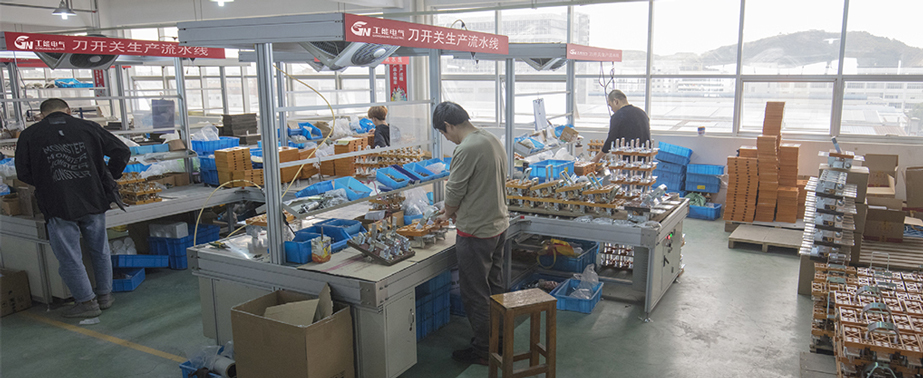
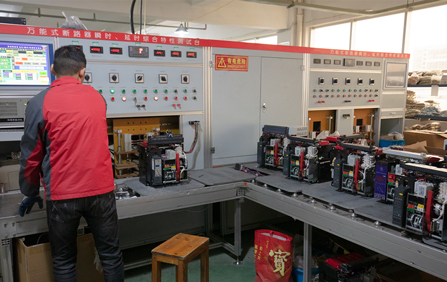
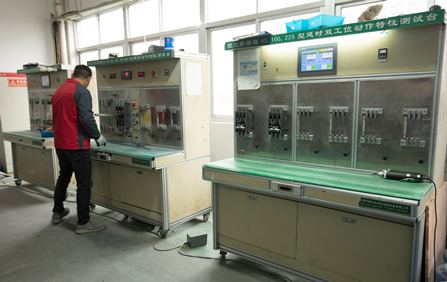
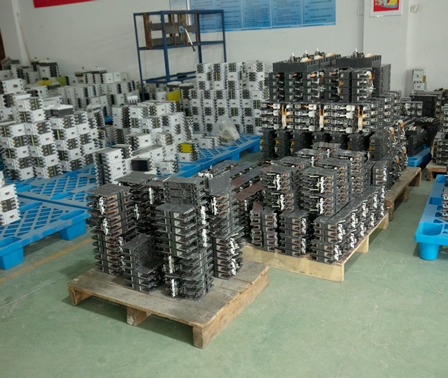
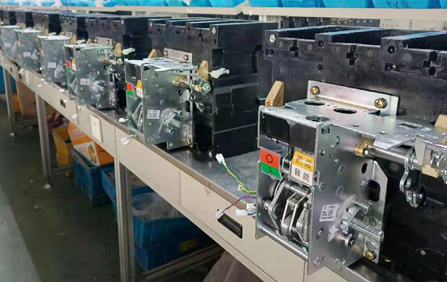
Our manufacturing center features a modern standard workshop spanning over 12,000 square meters, housing 212 employees, including 20 professional and technical engineers. We maintain over 180 units of production and testing equipment. Through the implementation of Statistical Process Control (SPC) tools, we track raw materials, semi-finished components, and final assembly processes to ensure product quality.
Strategic supply chain concentration, testing infrastructure, and cost efficiencies of the Yueqing electrical hub
Yueqing provides direct local access to key raw materials—including copper contacts, high-purity MOV elements, flame-retardant plastics, and GDT components. This geographic concentration shortens production cycles and reduces overall logistical overhead.
Our testing infrastructure is equipped to handle standard electrical evaluations. We use thermal stability test stations, continuous leakage current analyzers, and simulated impulse current generators to guarantee long-term operational integrity.
We supply personalized shell designs, laser-printed logos, custom voltage ranges, and variable packaging configuration. This flexbility enables global partners to scale their product portfolios efficiently.
A transparent preview of our ISO-certified production lines, assembly processes, and state-of-the-art storage facilities
Our surge protectors and electrical switches undergo rigorous validation to meet regional safety and electrical standards worldwide
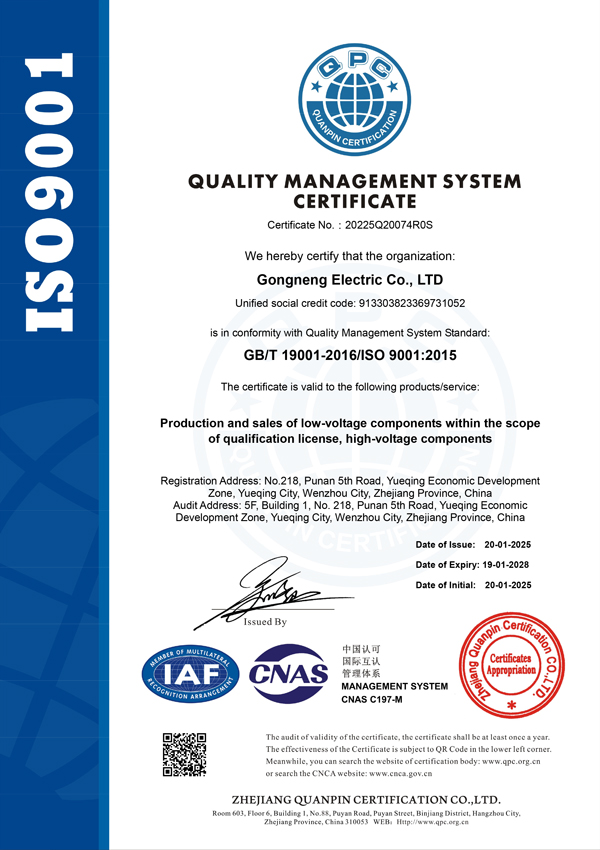
Demonstrates compliance with international operations standards.
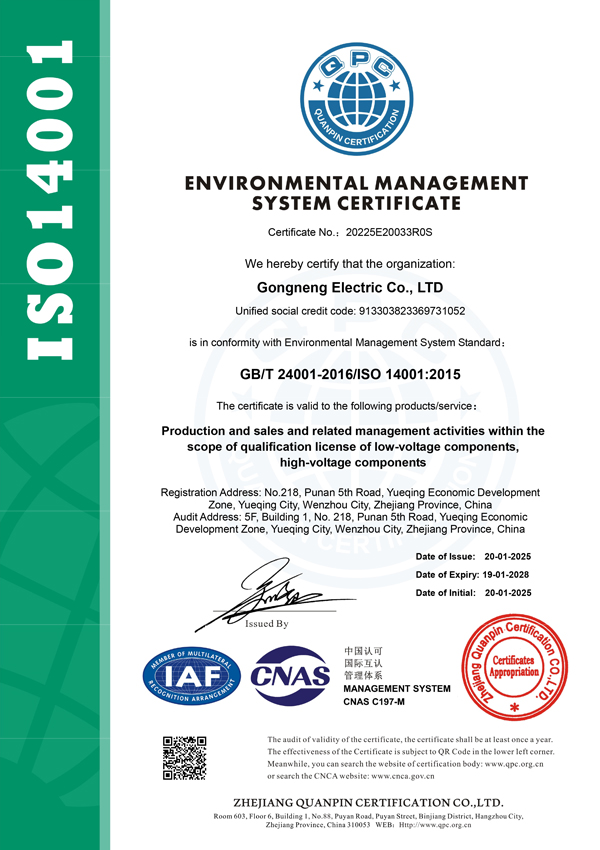
Validates core electrical tolerances and overvoltage protections.
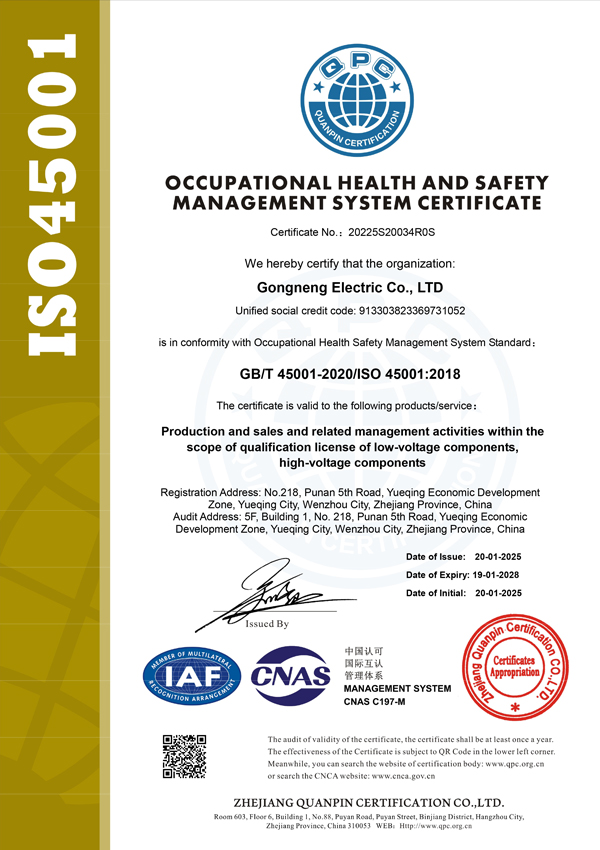
Confirms proprietary design advantages in structural engineering.
How Igoye Energy protects critical infrastructure, smart grids, and heavy industrial machinery from voltage anomalies
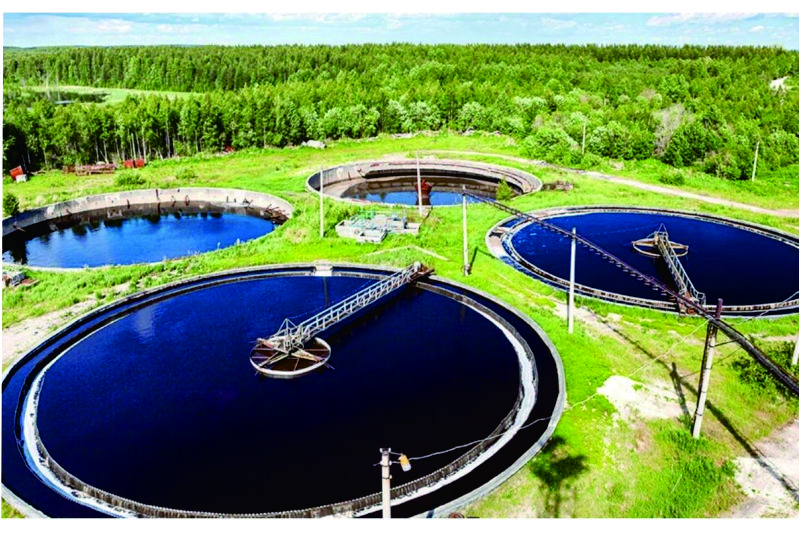
Water treatment facilities require non-stop pumping configurations. We offer intelligent motor protectors to reduce motor start-up tripping, ATS switches for seamless backup transitions, and custom capacitors to optimize energy factor ratings and lower power loss.
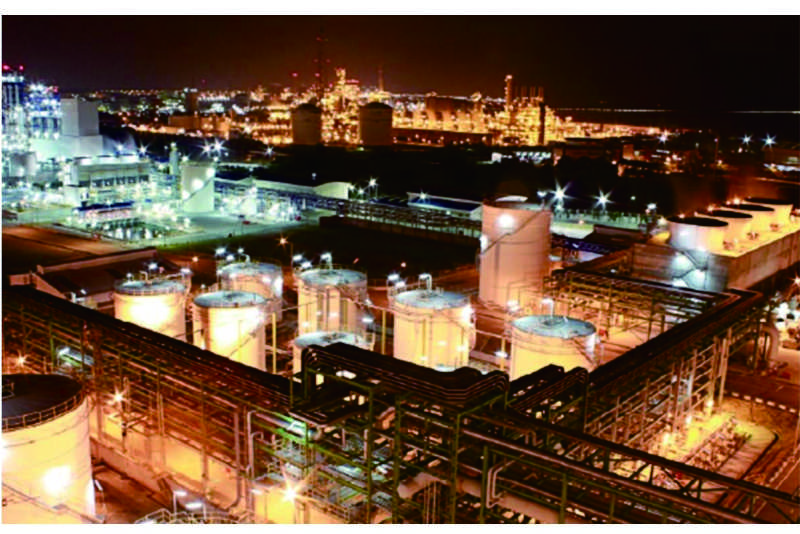
Chemical processing units require explosion-proof safety designs. Igoye provides heavy-duty distribution switchgears and surge protectors rated for extreme operating conditions. This protects continuous processing lines from voltage degradation.
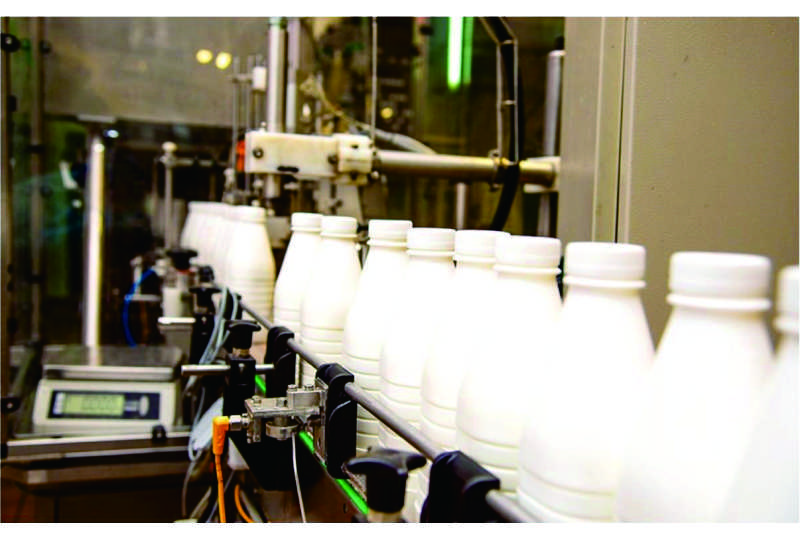
For food, textile, and printing lines, we offer smart Molded Case Circuit Breakers (MCCB) and Universal Breakers. These enable real-time current checks on PC and mobile systems, reducing diagnostic overhead and improving maintenance workflows.

Igoye supplies eco-friendly low-voltage products (compliant with RoHS regulations, free of lead and mercury) designed for hotels. We support systems with ACB, MCCB, and ATS dual-power switches to ensure high power quality for commercial guests.
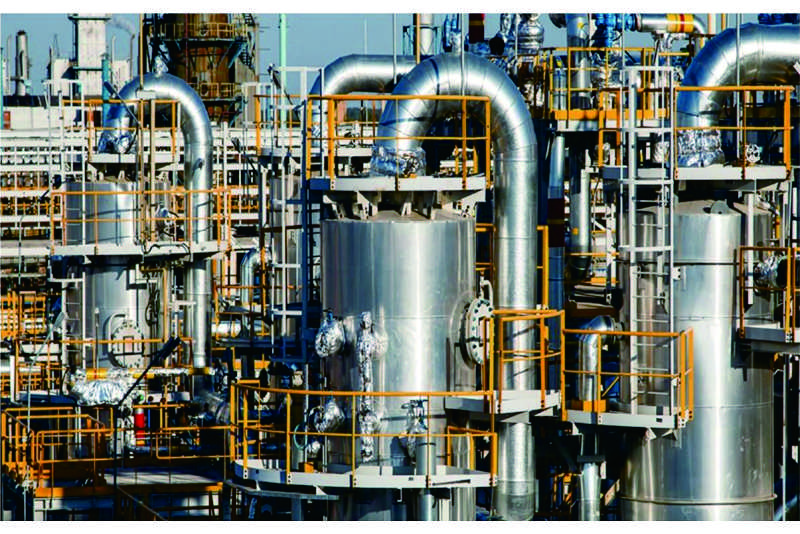
Continuous chemical reactions depend on uninterrupted automation. Our microcomputer-controlled protection modules monitor line parameters to isolate power transients and keep control instrumentation safe from voltage anomalies.
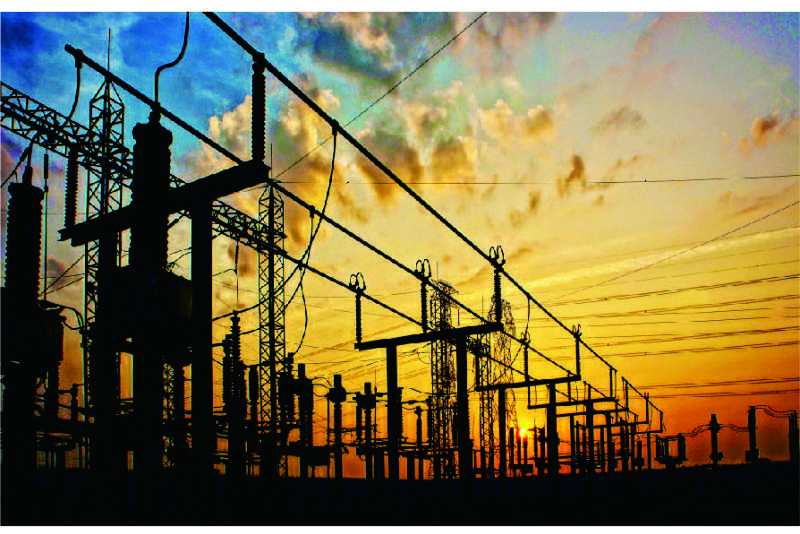
To address compatibility issues across grid suppliers, we align our components with the standardization directives of the State Grid. This ensures reliable dimension compatibility and consistent quality controls.
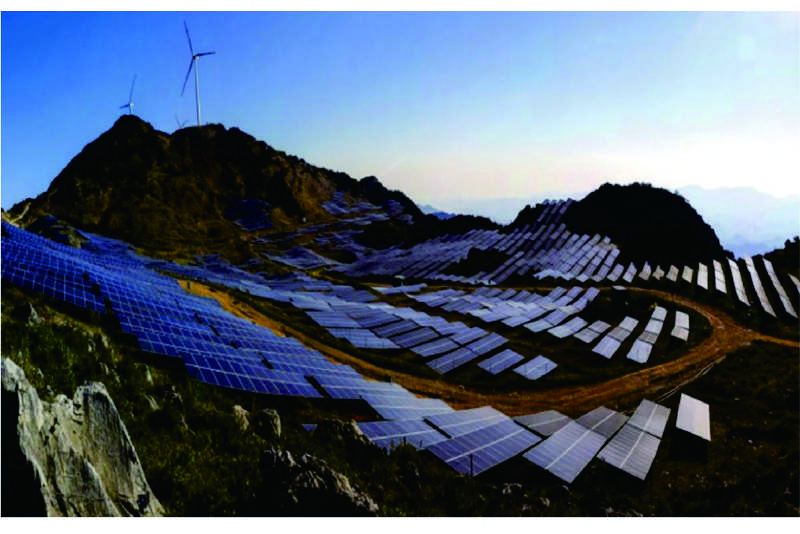
Renewable energy grids are highly exposed to atmospheric lightning. Our specialized high-voltage DC surge protection units and fuses (up to 1500V DC) are built to safeguard commercial solar installations, inverter loops, and remote solar fields.
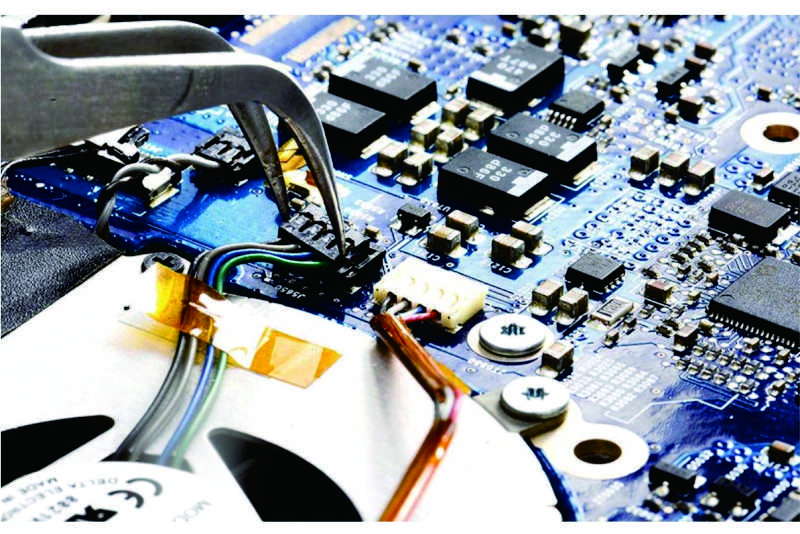
Electrostatic discharges and minor grid switching variations can damage semiconductor fabrication lines. Igoye implements multi-level coordinated SPD installations to maintain clean, stable power quality, reducing micro-level transients.
Key indicators shaping future procurement standards for high-reliability surge protection devices
Traditional surge protective devices operate as passive elements, requiring physical maintenance visual checks. As smart grids expand, international demand is shifting toward IoT-enabled smart SPDs. These devices incorporate local microprocessors and RS485/Modbus transceivers.
Our engineering team is actively researching next-generation systems that monitor leakage current, MOV degradation rates, earth connection status, and surge count events in real-time. This transitions surge protection from reactive maintenance to predictive asset management.
When selecting an OEM partner, global enterprise buyers must consider several critical verification steps:
Understanding SPD classifications, standard testing protocols, and proper device coordination
Explore our full range of miniature circuit breakers, PV accessories, high-voltage fuses, and smart capacitors
 Igoye Energy