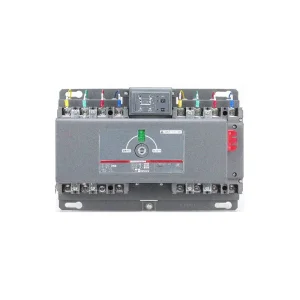
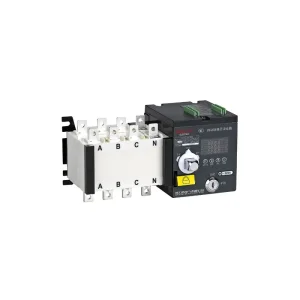
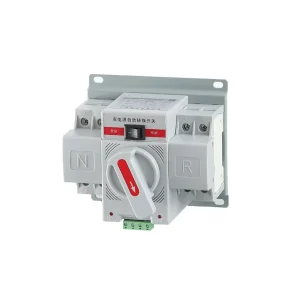
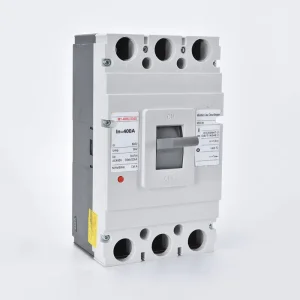
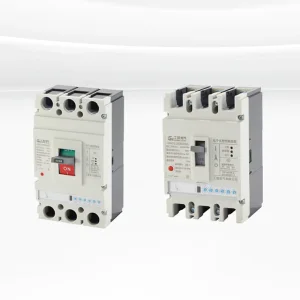
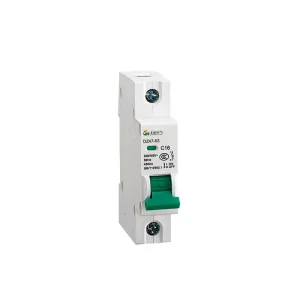
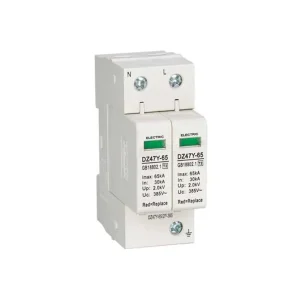
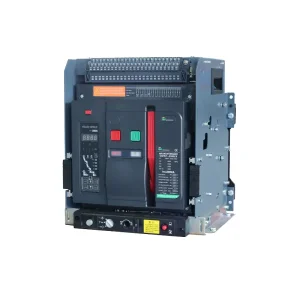
Engineered high-capacity switching components for commercial grids and localized power applications in Gitarama.
As the primary industrial hub of the Muhanga District in Rwanda, Gitarama is experiencing significant economic expansion across its agro-processing, mineral refinement, and light manufacturing sectors. The transition towards automated manufacturing operations requires highly stable electrical systems. However, industrial sites often experience grid voltage variations and seasonal load fluctuations from the national grid supply.
Implementing reliable Automatic Transfer Switches (ATS) is essential for local facilities. Dual-power systems ensure seamless switching to secondary backup generators or solar PV storage systems during main grid failures, preventing production interruptions. For manufacturers in Gitarama, continuous power is crucial to maintaining product quality and operational efficiency.
Our dual-power switching configurations are engineered to operate reliably in tropical environments, featuring high humidity tolerance, robust thermal designs, and advanced microprocessor integration for automated power management.
Consult an Application EngineerKey technical differences in automatic switching topologies for design engineers and system integrators.
CB Class units feature dual-power switching systems equipped with overcurrent release mechanisms. They operate as main contact switches while providing short-circuit protection. PC Class ATS units focus exclusively on power transfer and do not contain integrated overcurrent protection, requiring external protective devices. Choosing the correct configuration is critical to matching your system's short-circuit current rating (SCCR).
Modern networks require either Open Transition (Break-Before-Make) or Closed Transition (Make-Before-Break) topologies. Delayed transition settings allow inductive loads, such as large motors in municipal water systems or processing mills, to de-energize before switching to secondary power sources. This prevents high inrush currents and protects downstream components.
Equipped with built-in Modbus RTU / RS485 communication protocols, our advanced ATS controllers interface with SCADA systems. This allows operations managers to monitor phase voltages, frequencies, and load parameters in real time. Systems can be configured to automatically trigger alert notifications during power events.
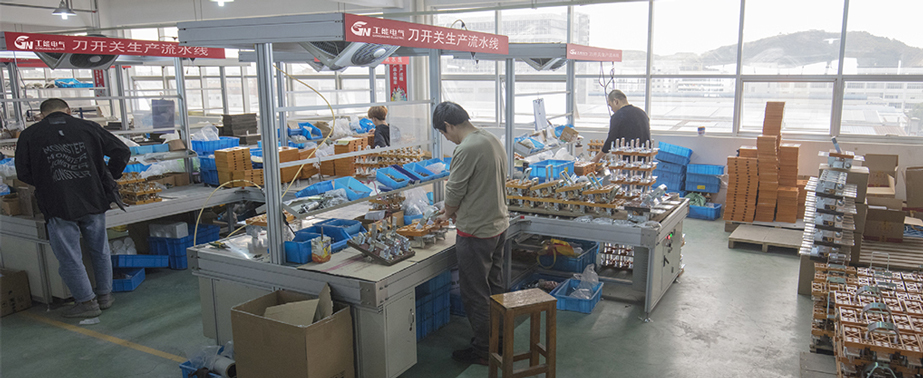
Our manufacturing headquarters is located in the Economic Development Zone of Yueqing City, Zhejiang Province. This strategic location offers convenient logistics, positioned near Qili Harbor to the south, Yueqing Bay to the east, Yueqing City Center to the north, and the Liubai Economic Circle to the west. We focus on the research, development, and manufacturing of low-voltage electrical switchgear and circuit protection devices. Our systems are used globally in electric power networks, public infrastructure, renewable energy, and heavy manufacturing sectors.
We operate a modern manufacturing facility containing standard workshops of over 12,000 square meters. Our team includes 212 skilled employees and 20 specialized engineering professionals. We utilize 180 units of advanced manufacturing and testing equipment. Quality control processes are integrated throughout our production lines, applying Statistical Process Control (SPC) tools to maintain consistent product quality. Our comprehensive traceability system records components, production dates, and key performance metrics to ensure product reliability.
Providing reliable power distribution and automated backup switching systems across diverse industrial sectors.
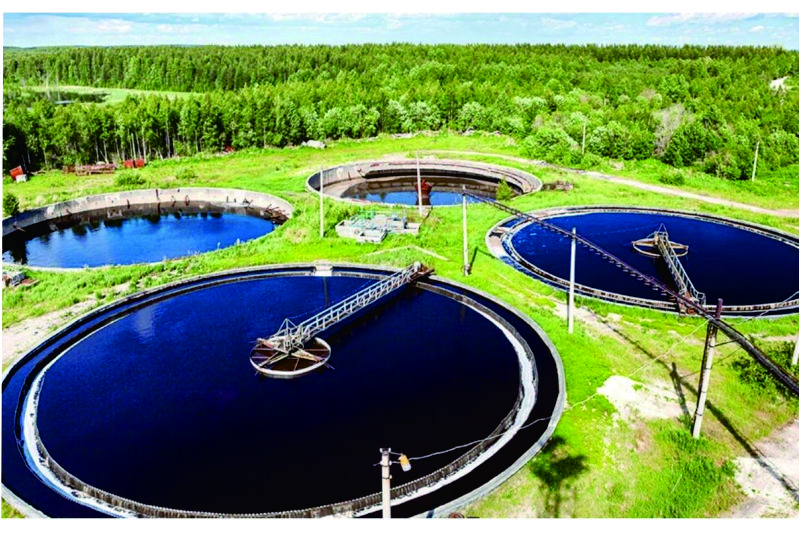
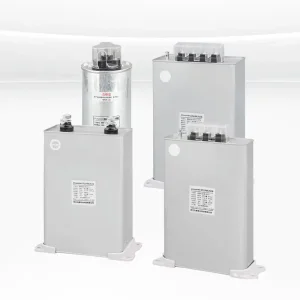
Our motor protection and control devices prevent motor damage during high-current startups, ensuring continuous pump operation. In the event of primary power loss, our dual-power switches transfer to secondary generator supplies, keeping filtration and pump systems running. Built-in capacitor units stabilize power factor to reduce energy losses.
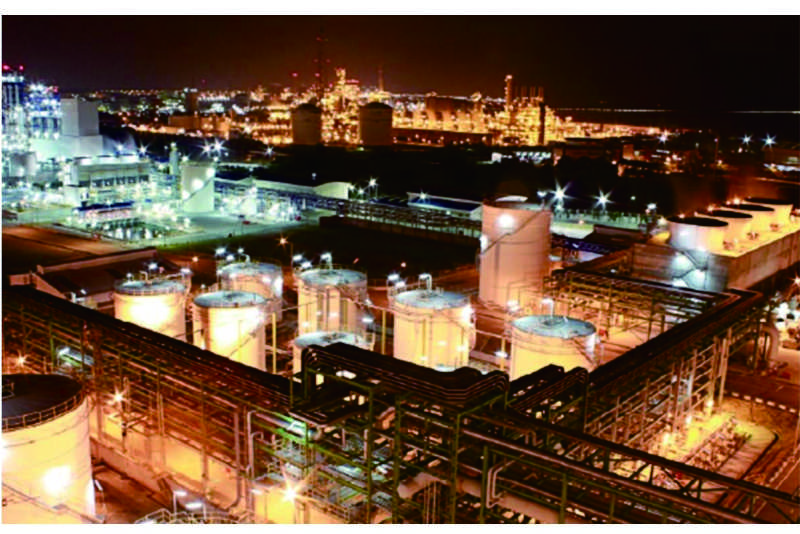
Petrochemical processing requires reliable power distribution to maintain safety and process continuity. We provide distribution equipment designed for demanding industrial environments, protecting refining and processing lines from grid fluctuations and power interruptions.
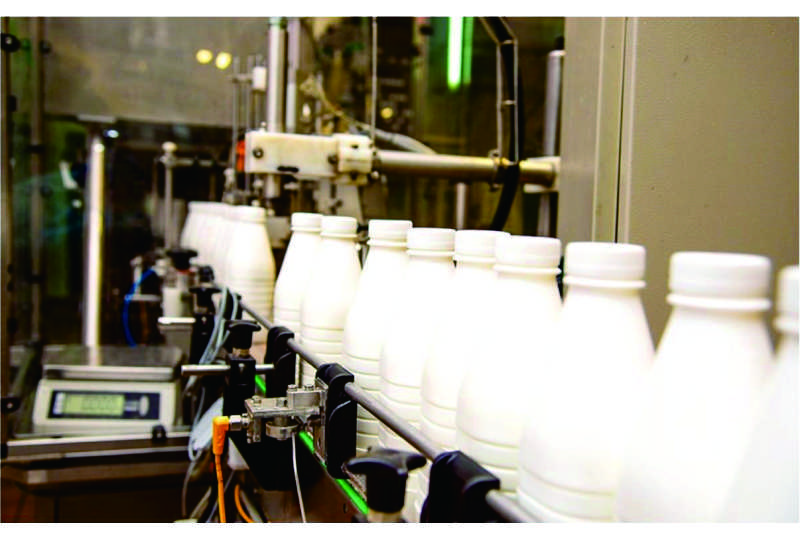
Our electronic circuit breakers and smart switchgear help light manufacturing plants automate and monitor their power distribution networks. Operators can track consumption metrics and power status through digital displays, supporting efficiency improvements and preventive maintenance.

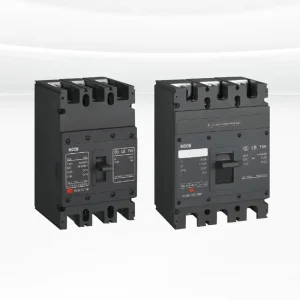
Our low-voltage components are designed to meet strict commercial building standards, including RoHS certification. We provide air circuit breakers (ACB), molded case circuit breakers (MCCB), and automatic transfer switches (ATS) that keep critical lighting, HVAC, and security systems operating during power outages.

Chemical production plants rely on precise process control. We offer customized protection devices and microprocessor-controlled monitoring systems that isolate electrical faults and prevent power failures from impacting manufacturing lines.
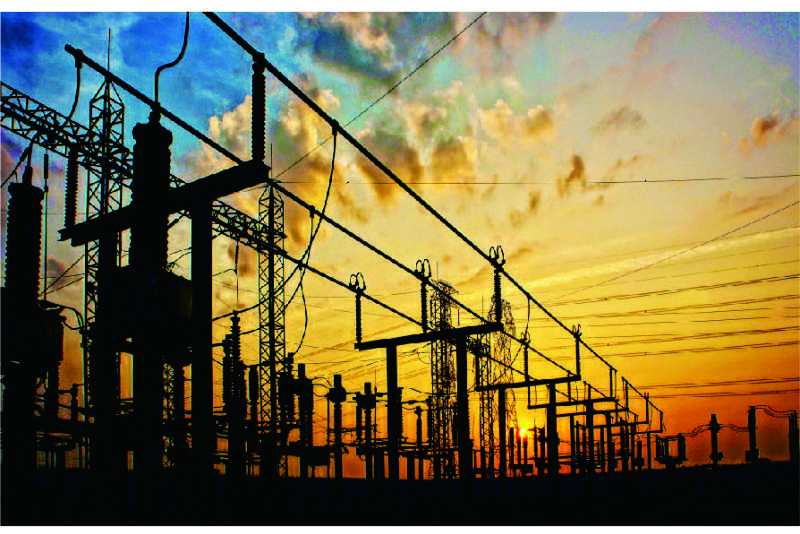
We build low-voltage switchgear following standard design specifications, simplifying system expansions and upgrades. Our modular cabinet layouts help utility operators install, manage, and service grid components efficiently.
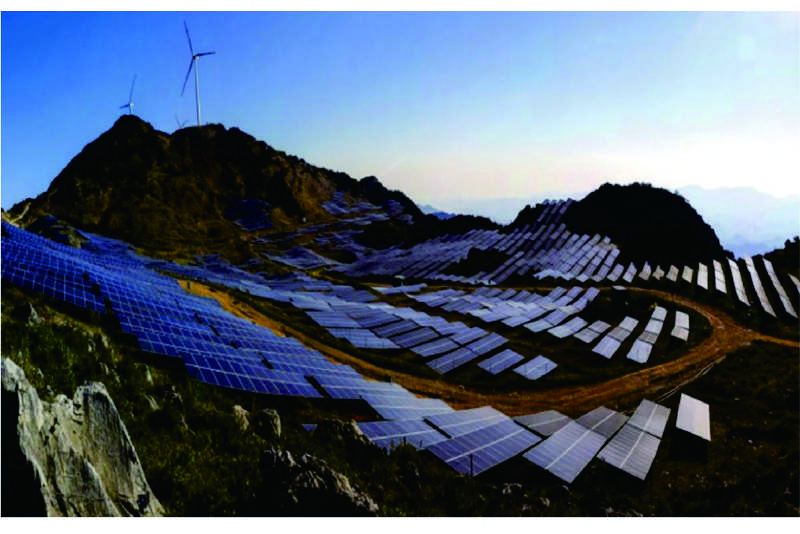
We manufacture high-voltage DC protection equipment, including circuit breakers and fuses, for solar power installations and hybrid microgrids. These components protect solar arrays and inverters, improving system reliability and safety.
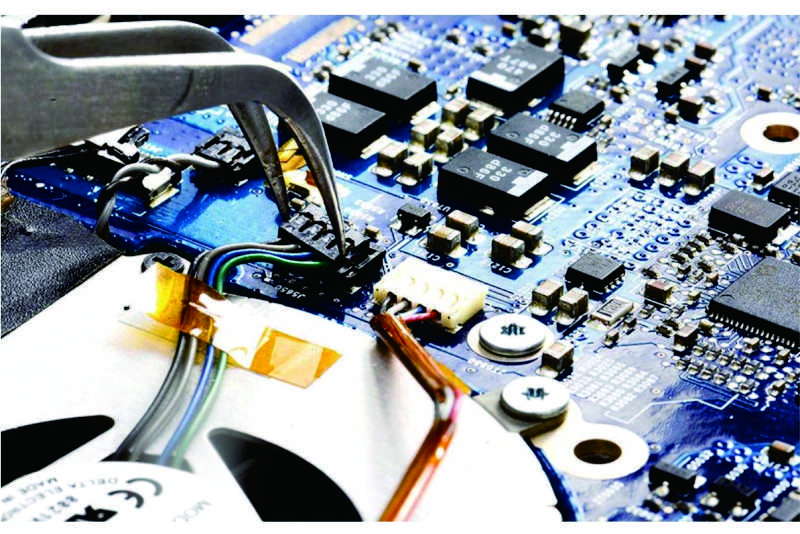
Precision electronics assembly requires clean, stable power. Our protection solutions guard sensitive equipment against voltage sags, surges, and electrical noise, reducing the risk of component damage or process errors.
A look inside our manufacturing processes, testing facilities, and international compliance certifications.
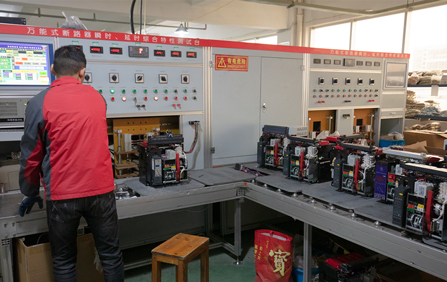
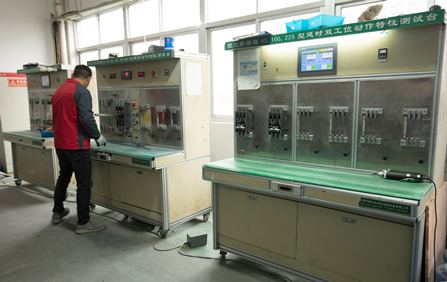
Our quality management systems are certified to international standards. We perform routine testing, calibration, and validation on all switchgear models before they leave our factory. Our testing laboratory verifies thermal performance, dielectric strength, and switching cycle endurance to ensure long-term field reliability.
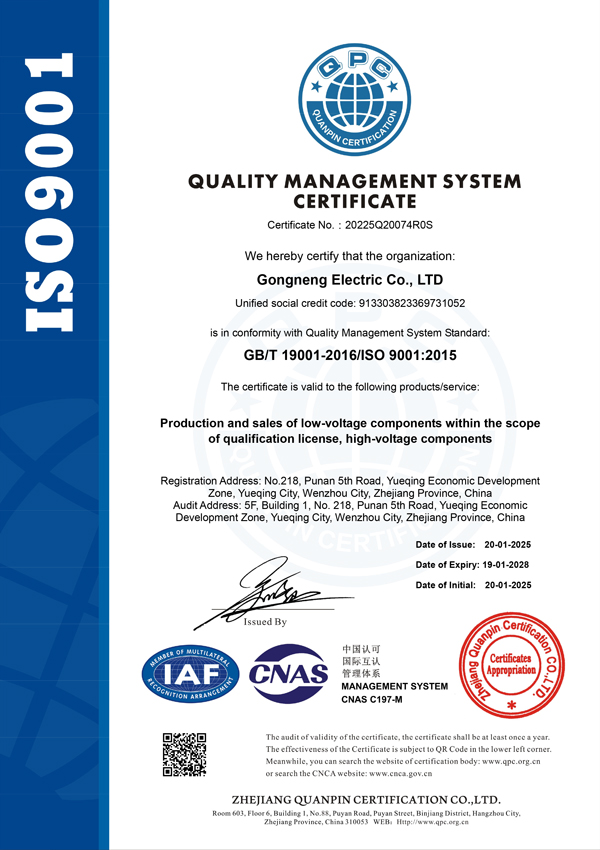
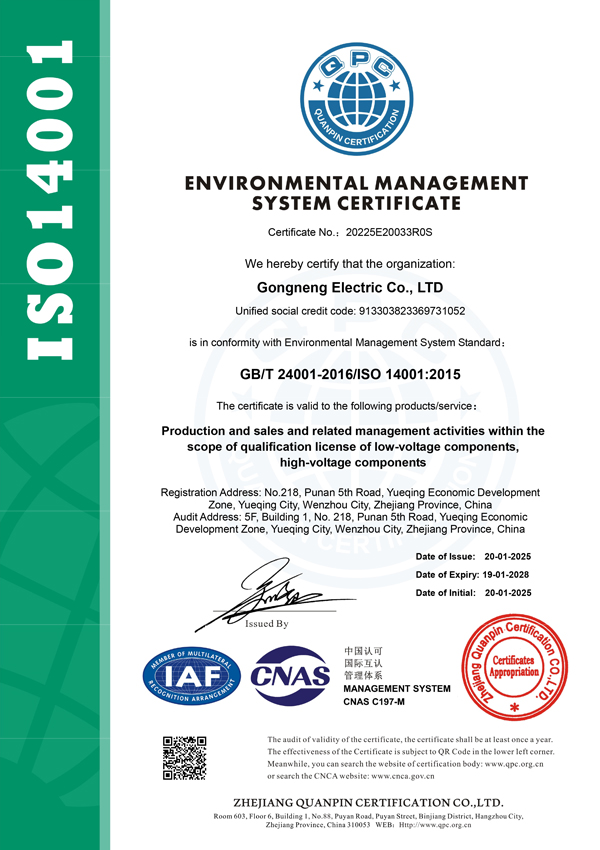
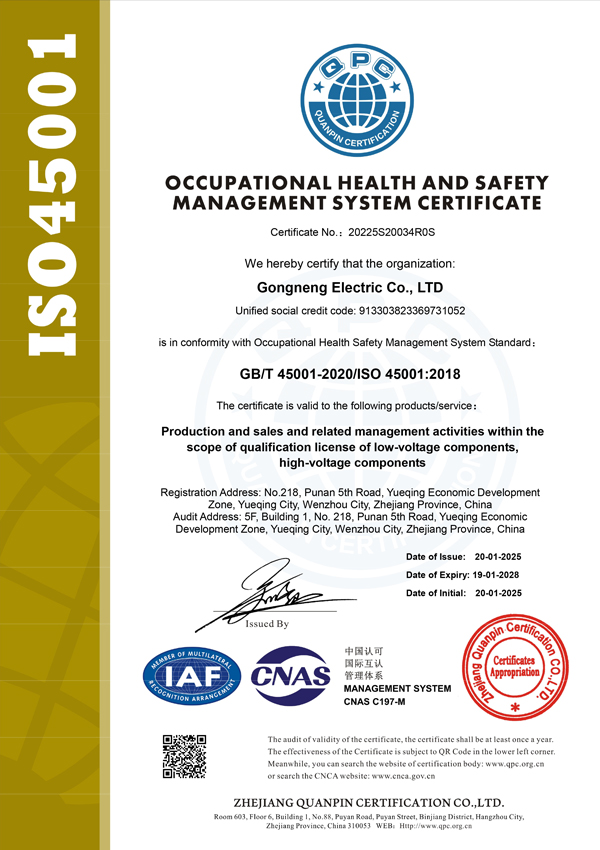
We trace each switchgear assembly back to its raw material batches and manufacturing stage. Our technicians verify calibration points using automated test systems. Every parameter, including contact resistance, transfer delay, and dielectric performance, is recorded to verify quality standards before dispatch.
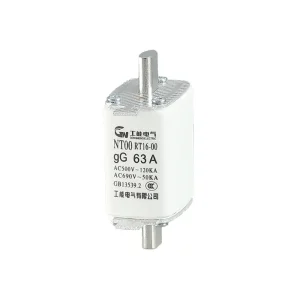
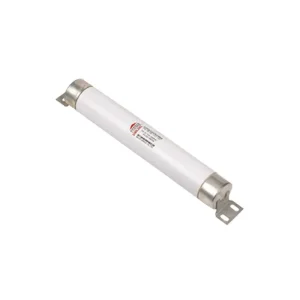
Request Quality CertificatesHigh-voltage fuses, electronic circuit breakers, and power protection equipment engineered for industrial networks.
Expert technical answers regarding ATS deployment, specification, and maintenance.
CB Class ATS: Equipped with an overcurrent release mechanism. Its main contacts can connect and interrupt short-circuit currents, functioning as both a transfer switch and an overcurrent protective device (such as a circuit breaker). It is designed to trip and protect downstream networks during overloads.
PC Class ATS: Able to connect and withstand, but not interrupt, short-circuit currents. It does not contain an integrated overcurrent release mechanism and operates strictly as a transfer switch. PC Class models require external fuses or circuit breakers upstream to handle overcurrent events. They typically offer high short-time withstand current (Icw) ratings and high reliability because they do not trip internally.
The choice between open (break-before-make) and closed (make-before-break) transition modes depends on your application requirements:
1. Open Transition: Disconnects the load from the active power source before connecting it to the secondary source. This creates a brief power interruption (usually measured in milliseconds) but prevents any interconnection between the two power sources.
2. Delayed Transition: Introduces an adjustable time delay in the neutral position. This allows inductive loads, such as large motors or transformers, to demagnetize and dissipate their magnetic field before reconnection, preventing high electrical transients.
3. Closed Transition: Momentarily parallels both live sources (typically for less than 100 milliseconds) to transfer power without interrupting feed to the load. This requires precise phase, frequency, and voltage synchronization between sources.
Yes. Modern ATS controllers can manage power transitions in hybrid solar PV, battery storage, and utility grid installations. The controller monitors source parameters and manages contact closure based on preset programming (for example, prioritising renewable solar supply and transferring to utility or generator backup only when battery levels drop below limits).
Tropical climates, such as in Gitarama, present challenges like high humidity, elevated ambient temperatures, and dust. Key design protections include:
Integrated communication protocols, such as Modbus RTU over RS485 or Ethernet, allow the ATS to interface directly with facility SCADA systems. This connection enables operations teams to monitor parameters like line voltages, switching cycles, contact wear indicators, and diagnostic codes remotely. Operators can adjust transition delay times and run self-test cycles from a central control room, simplifying system maintenance.
Whether you are designing a grid distribution panel, retrofitting an agro-processing plant, or planning a backup power system in Gitarama, our engineering team can provide technical support and component specifications.
 Igoye Energy