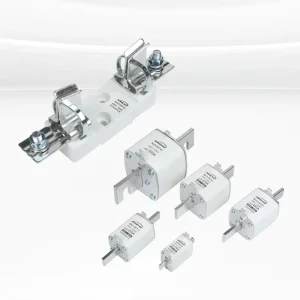
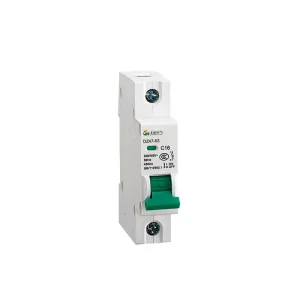
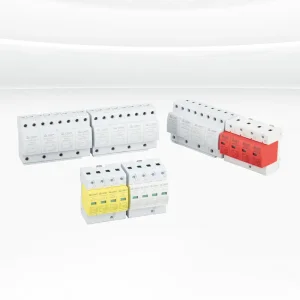
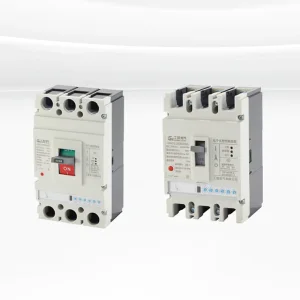
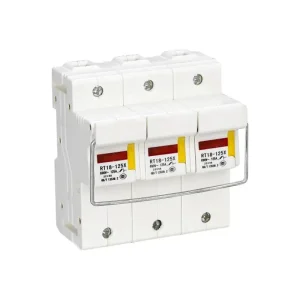
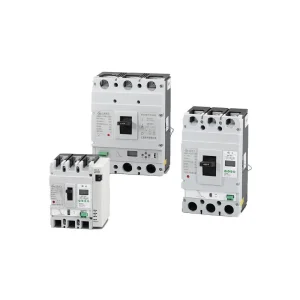
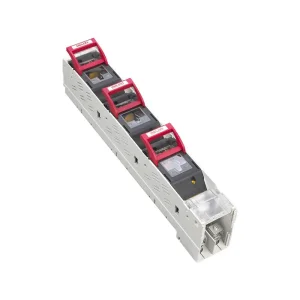
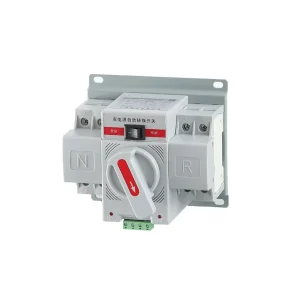
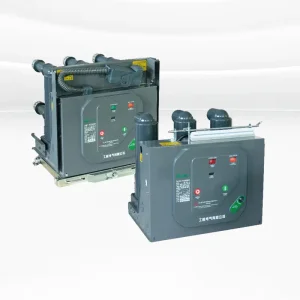
Explore our leading industrial low-voltage power distribution devices, designed to work seamlessly with backup power generation systems.
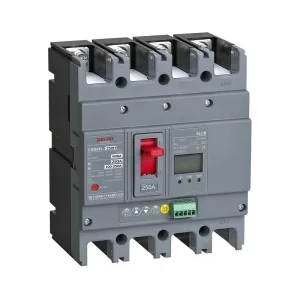
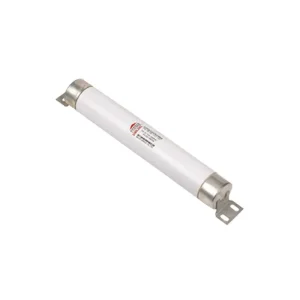
In modern industrial and commercial operations, power continuity is not merely a convenience—it is a foundational requirement for operational safety, data integrity, and economic viability. A transfer switch generator configuration acts as the critical bridge between the utility grid and backup generation sources, ensuring that when the primary grid fails, the transition to secondary power is executed smoothly, safely, and efficiently.
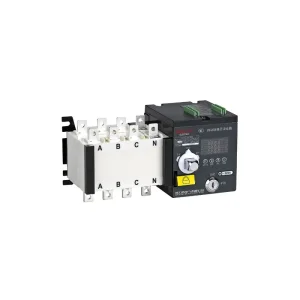
As electrical grids worldwide face unprecedented stress from aging infrastructure, extreme weather events, and skyrocketing demand, enterprise buyers are moving away from basic manual transfer options toward fully automated, intelligent, and communicative dual-power transfer systems. By implementing dual power automatic transfer switches (ATS) like the GNQ2 and GNQ3R series, facilities can minimize downtime from hours or minutes to milliseconds, protecting sensitive computer networks, industrial assembly lines, and life-support systems in healthcare institutions.
Expert Insight: The selection of a transfer switch supplier must be based on rigorous evaluation of mechanical endurance, switching times, short-circuit withstand ratings (WCR), and environmental adaptability. Cheap, non-certified alternatives introduce massive safety hazards, including phase-to-phase short circuits and fire risks during transition cycles.
One of the key technical decisions procurement engineering teams face is specifying the transition technology of the transfer switch:
Strategically situated in the Economic Development Zone of Yueqing City, Zhejiang Province—the undisputed heart of China’s low-voltage electrical manufacturing sector—Zhejiang Igoye Energy Technology Co., Ltd. has established itself as a premier global developer and manufacturer of advanced electrical protection and power distribution appliances. With Qili Harbor to the south, Yueqing Bay to the east, and the Liubai Economic Circle to the west, our logistics network provides rapid access to international shipping lines, guaranteeing efficient global supply chains.
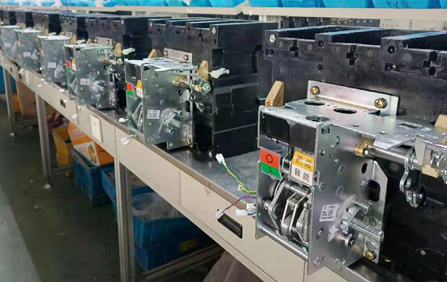
Our standard manufacturing footprint exceeds 12,000 square meters, housing an advanced lineup of over 180 units of production, calibration, and testing machinery. Supported by a workforce of 212 employees, including 20 professional and technical engineers, Igoye maintains an integrated approach to product lifecycle management. Our dedicated quality control teams implement Statistical Process Control (SPC) tools at critical operations to monitor manufacturing tolerances and ensure that every device meets international standards before leaving the factory. Our end-to-end traceability system maps raw materials, component lots, production dates, and key test parameters to ensure permanent accountability and quality assurance.
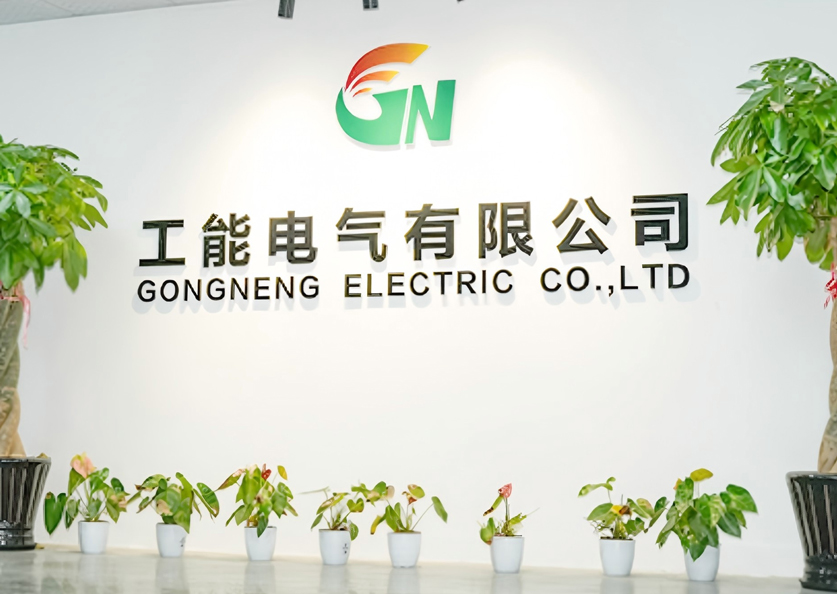
A visual insight into our state-of-the-art production lines, assembly systems, and testing departments.
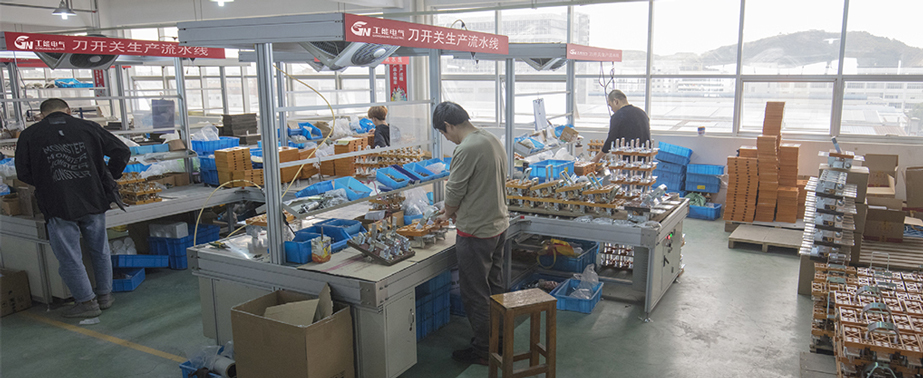
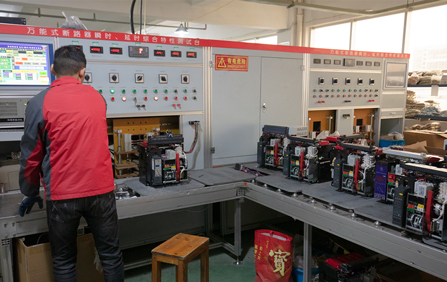
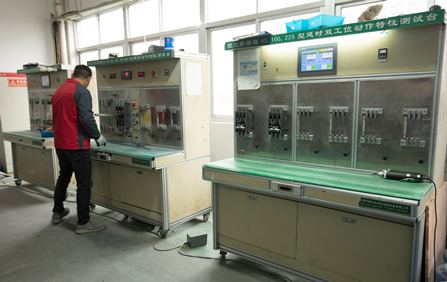
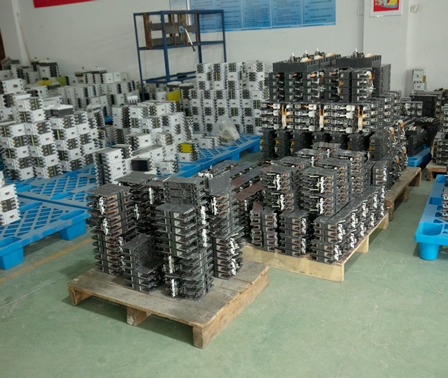
Our products are engineered to conform to demanding international specifications, verified through third-party audits and certifications.
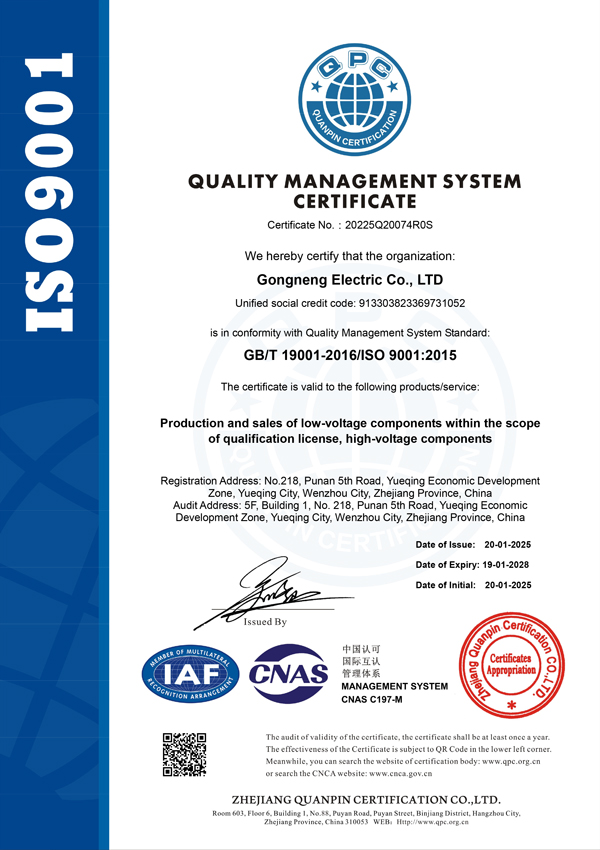
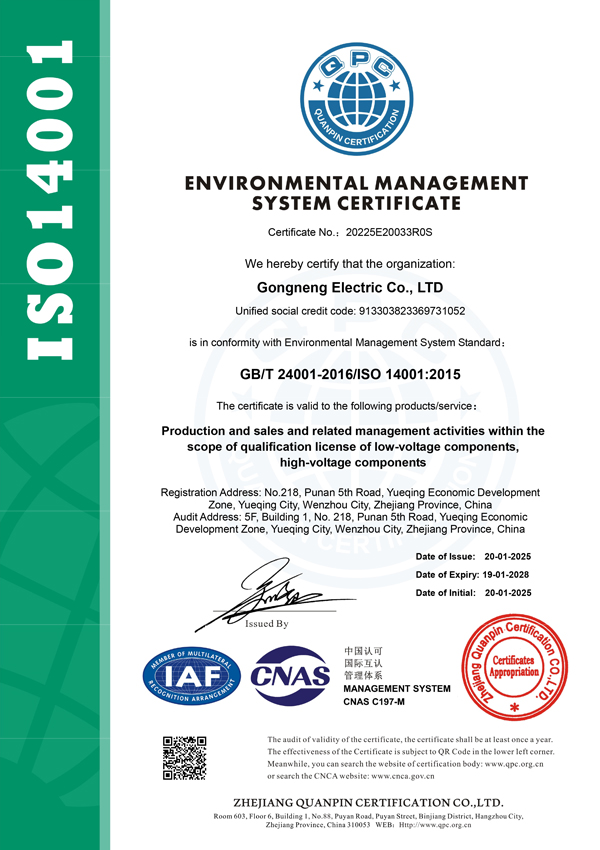
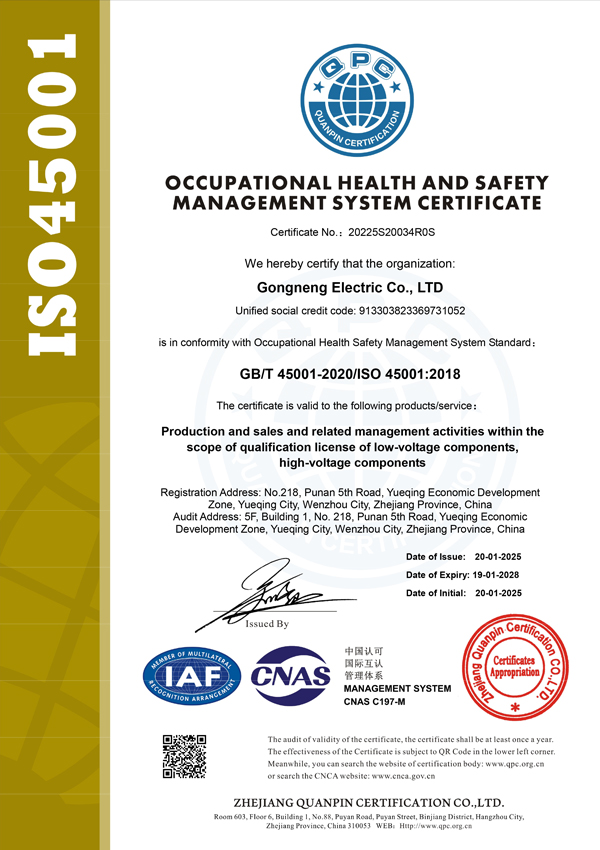
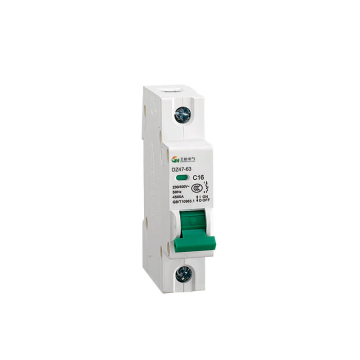
Our core manufacturing programs cover five major areas of power distribution, safety, and system management.
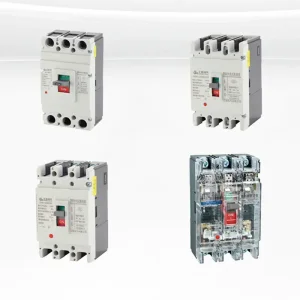
Molded Case Circuit Breakers (MCCB), Air Circuit Breakers (ACB), and heavy-duty switch disconnectors for high-capacity systems.
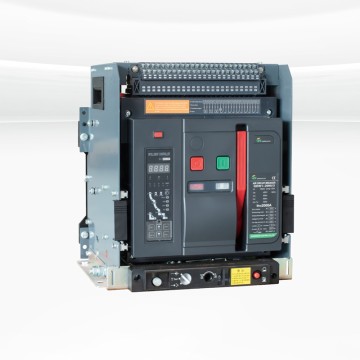
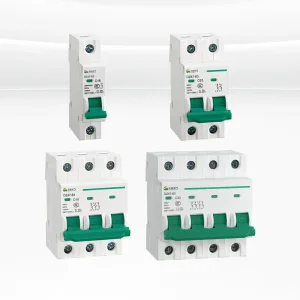
Miniature Circuit Breakers (MCB), surge protection devices (SPD), and electrical accessories for end-user safety.
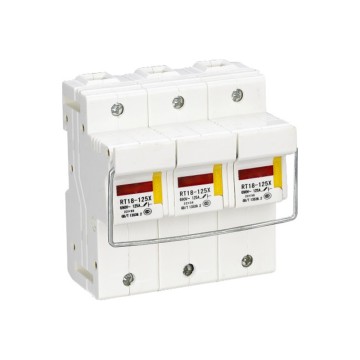
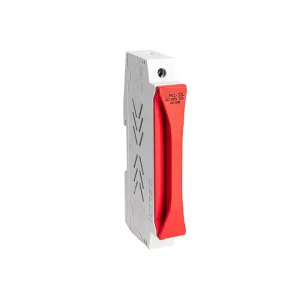
Automatic transfer switching equipment, switch disconnectors, fuse bases, and vacuum circuit breakers.
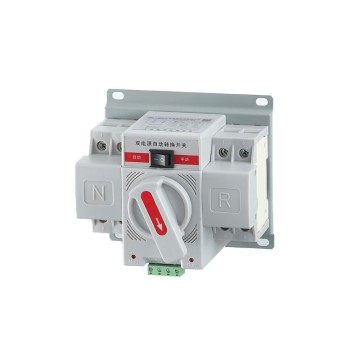
Delivering reliable power protection and seamless switching capabilities to critical industries around the globe.
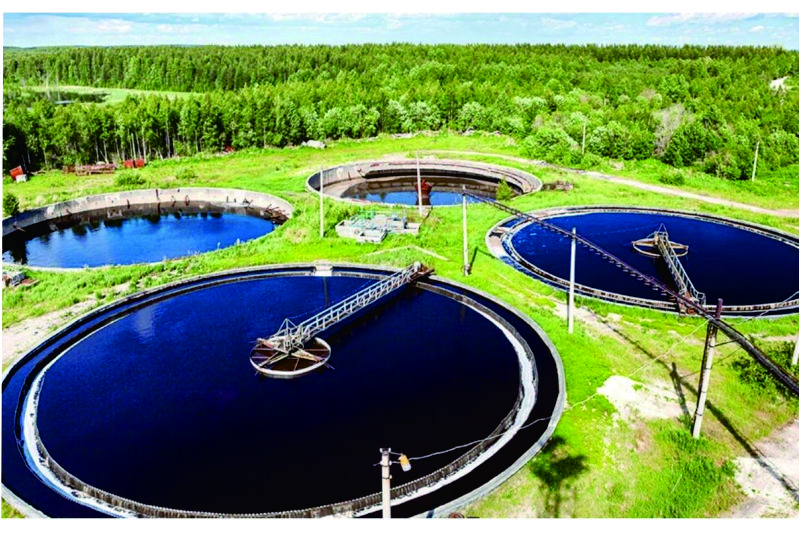
Gongneng Electric provides robust motor protection to prevent pump tripping during start-ups. In the event of primary power interruptions, our high-speed ATS units transition instantly to emergency generators to maintain water processing flow.
 Learn more →
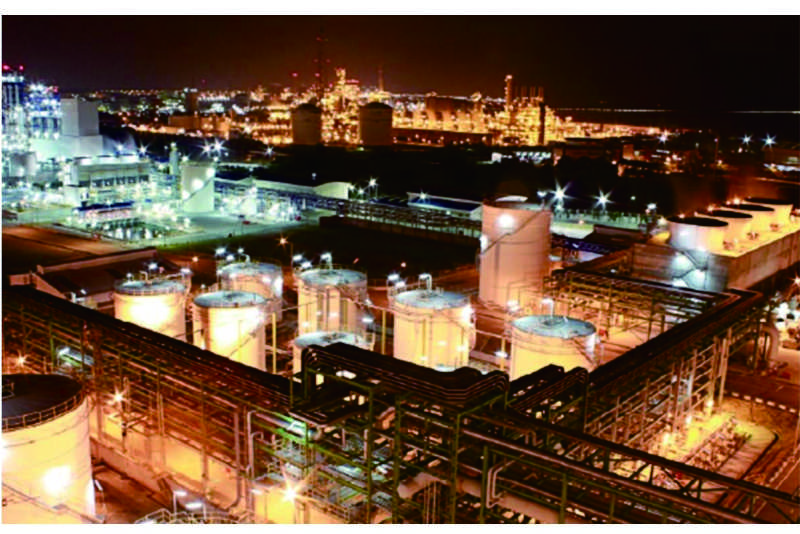
Designed for harsh operating conditions and high reliability, our electrical solutions guarantee safe, continuous power switching for volatile refining and oilfield processes where downtime compromises safety.
 Learn more →
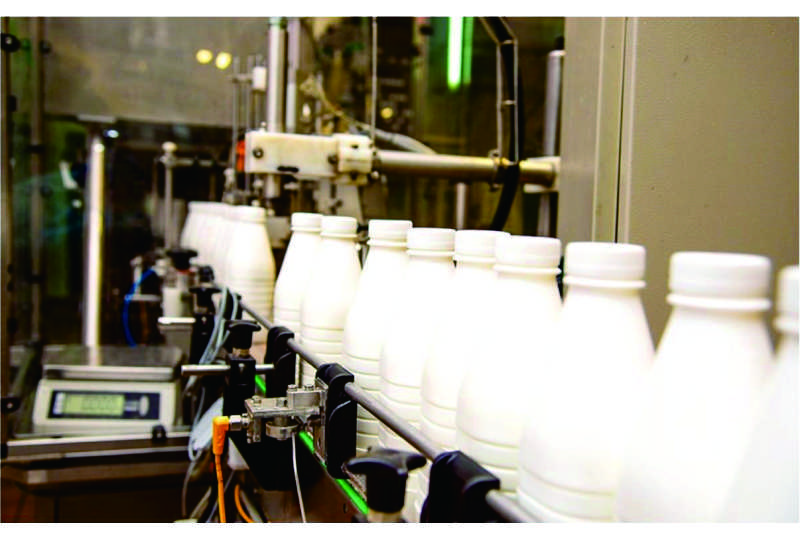
Ensuring continuous production in food, beverage, and textile sectors. Our smart devices support real-time PC and mobile monitoring, enabling maintenance teams to track power health and reduce line faults.
 Learn more →
Compliance with EU RoHS directives ensures eco-friendly power safety. Our comprehensive ATS, ACB, and smart home terminal products provide clean and reliable power to hospitality systems globally.
 Learn more →
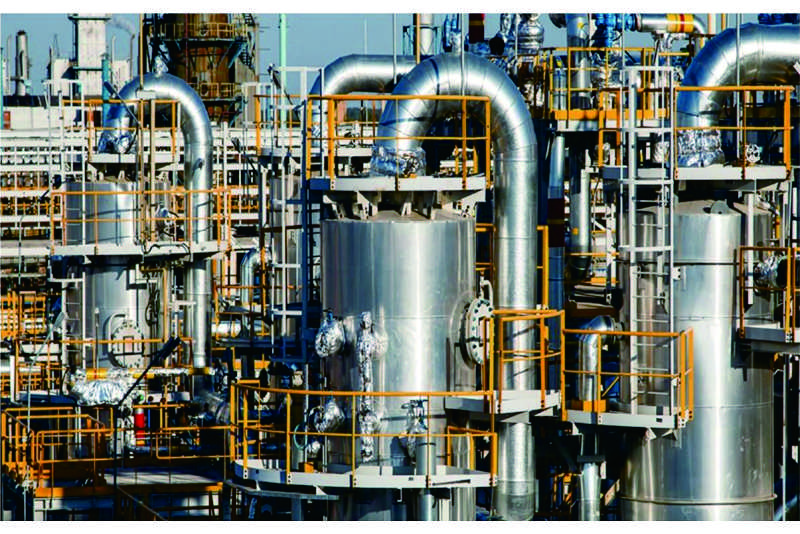
Continuous automated monitoring using microcomputer control systems manages and limits faults in high-capacity chemical processing systems, preserving plant uptime and safety parameters.
 Learn more →
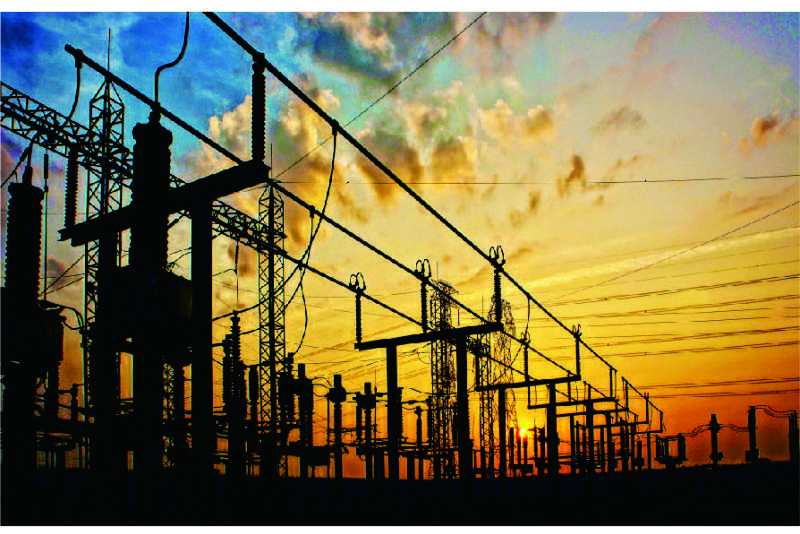
In response to State Grid requirements, we supply standardized low-voltage control cabinets that streamline maintenance, improve layout scaling, and maximize structural reliability.
 Learn more →
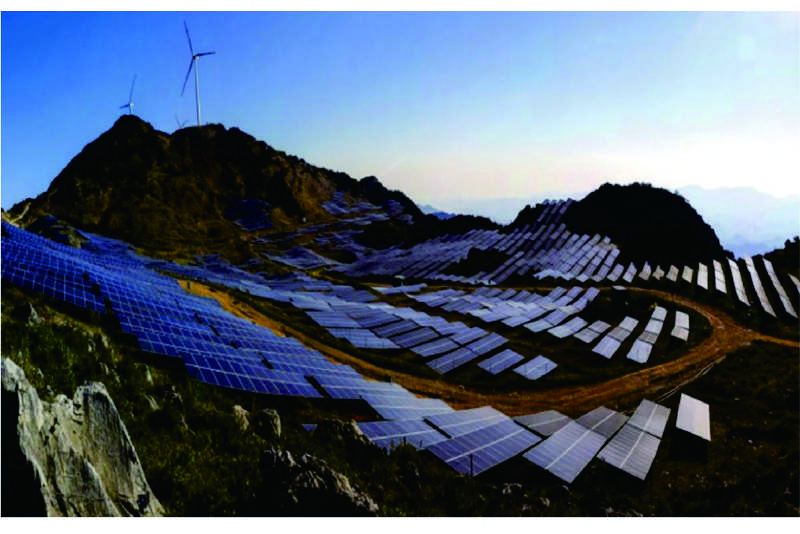
Our high-voltage DC protection components and PV fuses minimize energy losses and prevent reverse currents, enhancing overall conversion efficiency in commercial PV arrays.
 Learn more →
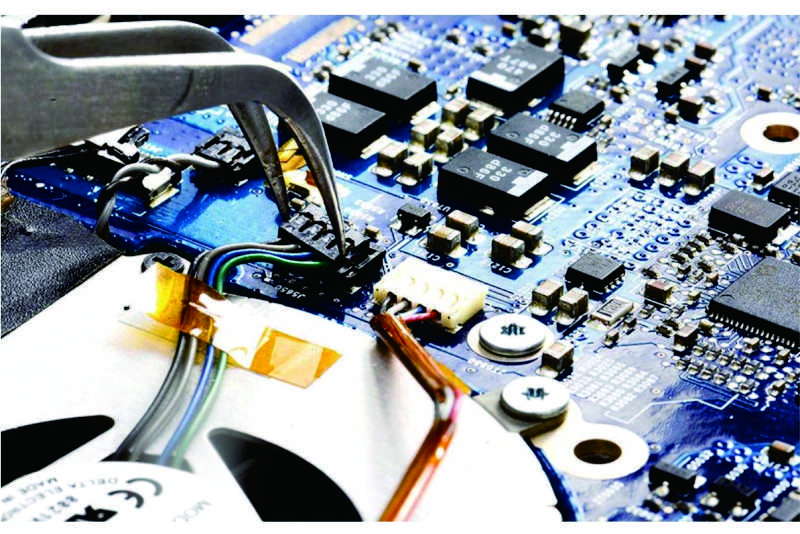
Protecting electrostatic-sensitive semiconductor assembly floors from power quality anomalies. Our switches prevent voltage spikes and sags from halting fabrication operations.
 Learn more →
B2B procurement professionals representing utility operators, infrastructure funds, and heavy industries operate under strict parameters. When sourcing a transfer switch generator or dual power automated systems from China, procurement requirements go far beyond unit pricing. Enterprise buyers require robust technical documentation, supply chain predictability, and clear conformity to global testing standards.
At Igoye, we have structured our business model to address the core requirements of global B2B procurement processes:
| Procurement Metric | Enterprise Expectation | Igoye Engineering Compliance |
|---|---|---|
| Switching Time (ATS) | < 100ms for standard utilities; < 50ms for critical loads | GNQ3R series achieves transfer speeds under 50ms |
| Electrical & Mechanical Life | > 5,000 operations under full load | Silver-alloy contact contacts tested up to 10,000 cycles |
| Short-Circuit Protection | Withstand rating (WCR) matching grid short-circuit potential | CB-level ATS integrated with breaking capacity up to 50kA |
| Environmental Tolerances | Operations from -25°C up to +70°C without derating | IP54 panel installation configuration; robust thermoplastic materials |
| Regulatory Standards | IEC 60947-6-1, UL 1008, CE, CCC conformity | Fully certified across primary product lines with transparent audit reports |
To support global supply chains, Igoye offers localized customs processing support, comprehensive CAD/BIM drawing packs for engineering integration, and multi-tier warranties that guarantee peace of mind across long project lifecycles.
The global transition to decentralized grids, microgrids, and local renewable generation is changing the role of the traditional transfer switch. No longer a simple mechanical throw-over device, the modern transfer switch generator controller has evolved into an active edge node in local power distribution networks.
Next-generation ATS systems utilize Modbus, Profibus, or Ethernet/IP protocols to communicate directly with building automation software and energy management suites. Users can track voltage profiles, contact temperature, and cycle counts remotely. This allows maintenance crews to identify issues before a hardware failure occurs during an actual emergency event.
While mechanical switches take milliseconds to clear and engage contacts, solid-state transfer technology relies on silicon-controlled rectifiers (SCRs). This allows switches to change power sources in less than 4 milliseconds—a transition so fast that even the most sensitive computing and medical imaging gear will not register a power interruption. Igoye's technical roadmap includes the integration of hybrid mechanical-semiconductor systems that combine the high efficiency of mechanical contacts with the micro-second switching speeds of solid-state systems.
As corporate installations incorporate solar PV panels, stationary energy storage (batteries), and local diesel generators, transfer switches must handle bidirectional power distribution. Intelligent switches manage peak shaving, load shedding, and islanding procedures, maximizing utility savings while ensuring absolute uptime.
Commercial operations and electrical standards differ significantly by region, requiring localized adaptations from global manufacturers:
Professional engineering answers to key technical questions surrounding transfer switches and industrial power distribution systems.
A PC-class ATS is designed to switch power sources but does not incorporate an overcurrent protection device (like a circuit breaker). It has high short-circuit withstand ratings and can carry fault currents but relies on upstream circuit breakers for system protection. A CB-class ATS contains an overcurrent trip mechanism (typically built utilizing MCCB components like our GNM1 series) and can protect the downstream circuits from short-circuits and overload conditions.
A three-pole switch shifts only the three phase lines (L1, L2, L3) and uses a solid, continuous neutral conductor connecting the utility, generator, and load. A four-pole switch includes a switching contact for the neutral line. You must use a four-pole switch if the backup generator is configured as a separately derived system with its own neutral-to-ground bond. This avoids circulating ground currents and false tripping of ground-fault relays.
Our smart ATS units monitor both source supplies for undervoltage, overvoltage, phase loss, and frequency deviations. If the utility voltage drops below a preset threshold (typically 85%), the controller initiates the generator start contact. Once the backup generator reaches nominal voltage and frequency stability, the switch transitions the load to the generator, protecting downstream machinery from running on unstable voltages.
We recommend annual inspections, including checking contact resistance, inspecting arc chutes for soot buildup, tightening mechanical fasteners to rated torque values, and verifying terminal connections. Regular exercise cycles (testing the switch under load) should be performed monthly to ensure mechanism lubrication and contact self-cleaning.
Yes, but the system must be designed to handle the solar inverter's reconnection timing. When utility power is lost, the solar inverter must shut down immediately (anti-islanding protection). The ATS then switches the load to the generator. The solar inverter should not backfeed power into the generator unless a specialized microgrid control system is present to regulate generator fuel use and match load generation in real-time.
Complementary electrical engineering products from our manufacturing facility, optimized for reliable industrial installations.
 Igoye Energy