The global energy landscape is undergoing a paradigm shift. As industries transition towards "Industry 4.0," the stability of power grids has become a critical concern. Low Voltage Reactive Power Compensation (LVRPC) is no longer just a luxury for large-scale utilities; it is a fundamental requirement for modern industrial and commercial operations. Globally, the rising integration of non-linear loads—such as variable frequency drives (VFDs), LED lighting, and EV charging infrastructure—has introduced significant harmonic distortion and reduced power factors.
Information Gain: Modern LVRPC systems are evolving from passive capacitor banks to active Static Var Generators (SVG). In regions like Europe and North America, strict grid codes (such as IEEE 519) demand sophisticated power factor correction (PFC) to avoid penalties and energy waste. As a premier OEM supplier, we bridge the gap between traditional reliability and futuristic smart-grid compatibility.
Digitalization and the "Internet of Energy" (IoE) are driving the adoption of smart capacitors equipped with IoT sensors. Real-time monitoring and predictive maintenance are becoming standard features in low-voltage distribution systems.
In developing markets, LVRPC is used to stabilize aging infrastructure. In developed hubs, it focuses on "Green Building" certifications and reducing the carbon footprint by optimizing transformer efficiency.
Our roadmap moves from fixed compensation to dynamic, thyristor-switched banks, and ultimately to AI-driven SVG systems that can respond to load changes in less than 5 milliseconds.
Located in the Economic Development Zone of Yueqing City, Zhejiang Province, IGOYE ENERGY stands as a beacon of innovation in the electrical sector. Our strategic location near Qili Harbor and Yueqing Bay facilitates seamless global logistics, allowing us to serve international clients with unparalleled efficiency.
The company has been committed to the research and development and production of low-voltage electrical appliances. Our products are widely used in electric power, infrastructure, energy, electronics and other industry sectors. We operate a standard workshop of more than 12,000 square meters, powered by a dedicated team of 212 employees, including 20 professional technical experts.
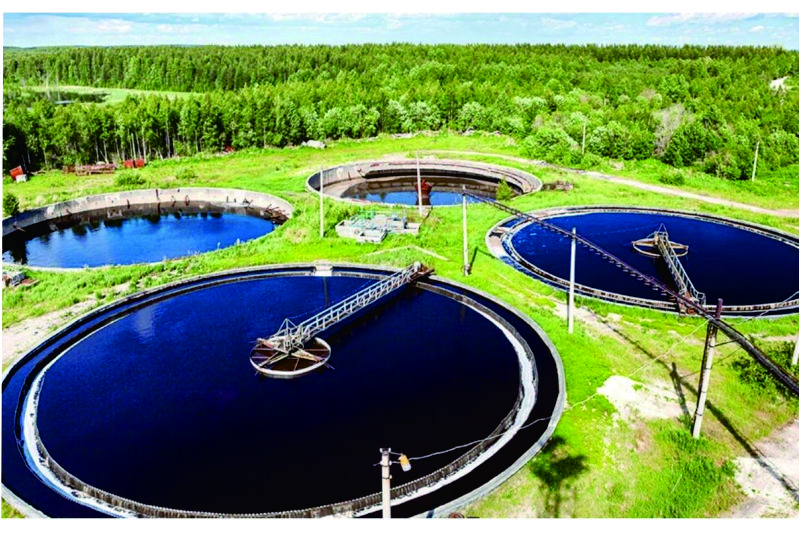
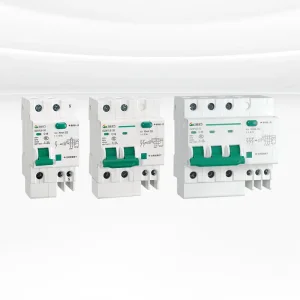
Intelligent capacitors automatically compensate for capacity, improve power factor, and reduce system line and transformer losses. We solve frequent tripping during motor start-ups, ensuring 24/7 operation.
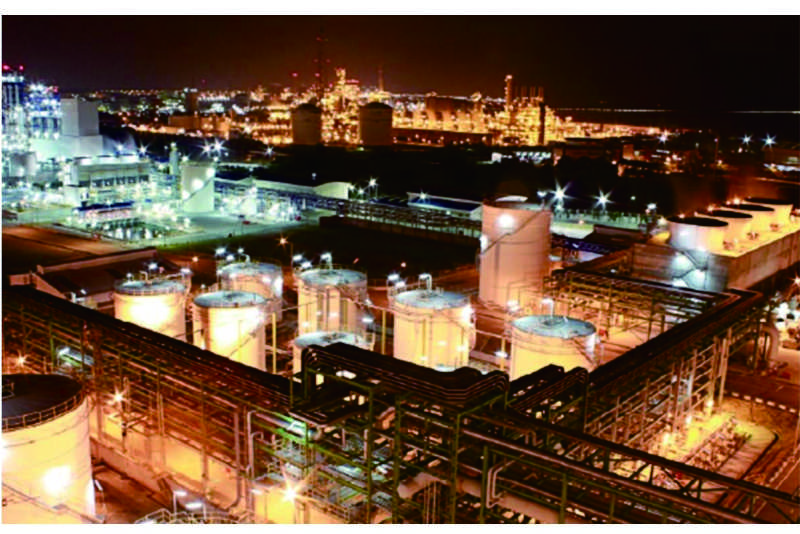
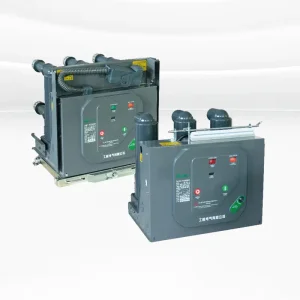
High reliability for diverse loads in harsh environments. Our distribution solutions ensure safety and efficiency for oilfield and refining enterprises, optimizing for quality over just scale growth.
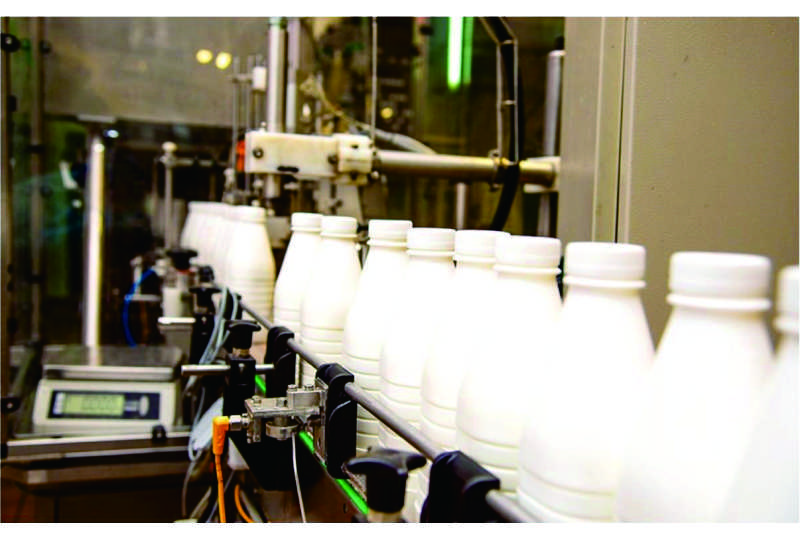
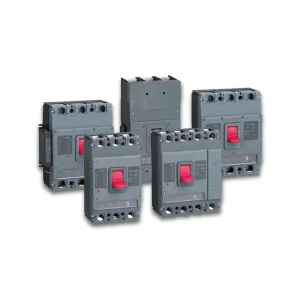
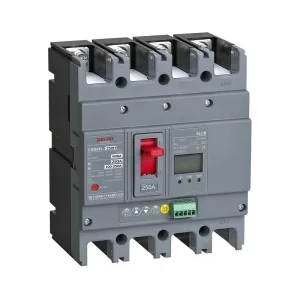
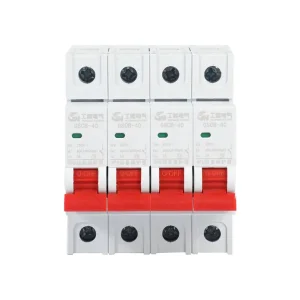
Utilizing universal circuit breakers and intelligent plastic shells to ensure power supply continuity. IoT integration allows real-time data access via mobile and PC for proactive energy management.
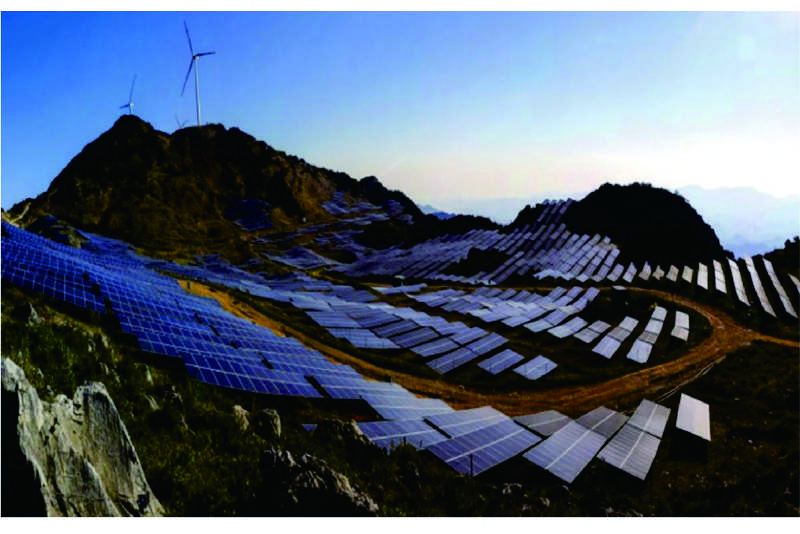
Supporting China's rapid PV expansion with components designed for intelligent microgrids. Our solutions reduce system losses and enhance power generation efficiency for large-scale solar farms.
Reactive power is the "unused" power that flows between the source and the load to maintain electromagnetic fields in inductive equipment like motors and transformers. While it does no work, it occupies system capacity. Low Voltage Reactive Power Compensation introduces capacitive reactance to counteract this, leading to:
The transition from traditional capacitor banks to Active Power Filters (APF) and Static Var Generators (SVG) is the biggest trend in 2024. SVGs offer step-less, instantaneous compensation and can handle both leading and lagging power factors, making them ideal for modern facilities with high solar penetration and variable loads.
Most utilities require a power factor above 0.90 to 0.95. Maintaining a PF of 0.98 is generally considered optimal to maximize efficiency without over-compensating.
OEM solutions allow for custom enclosure ratings (IP54, IP65), specific component integration (ABB, Schneider, or proprietary brands), and customized logic controllers tailored to specific load profiles.
Detuned reactors prevent the resonance between capacitors and the grid's inductive reactance, which is often triggered by harmonic-producing loads like VFDs.
Yes. By reducing line losses and improving transformer efficiency, less energy is wasted as heat, directly lowering the overall carbon emissions of the facility.
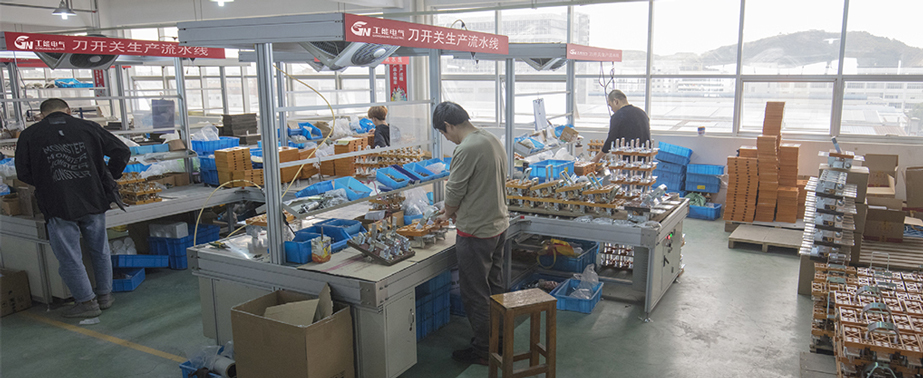
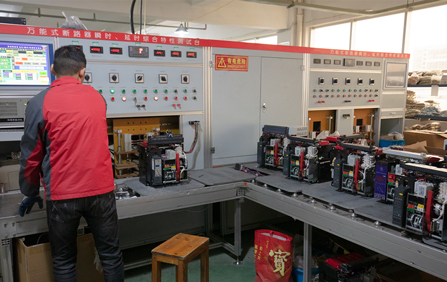
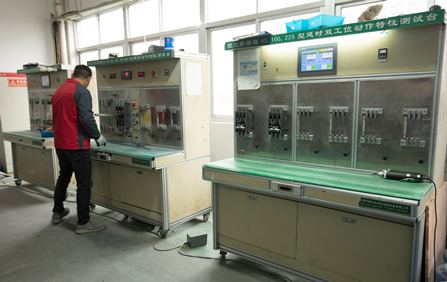
Our production line features 180 units of testing and production equipment, ensuring every component meets international standards for safety and performance.
 Igoye Energy