Industrial components optimized for low to high voltage electrical infrastructure.
An in-depth analysis of isolating systems, grid safety protocols, and supply chains.
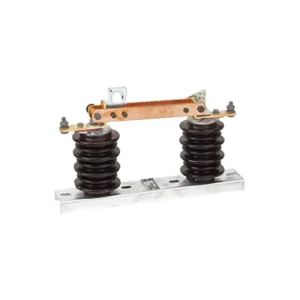
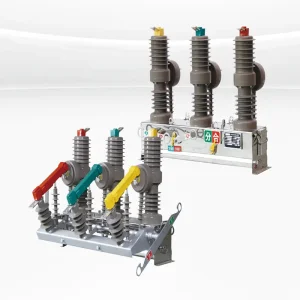
High Voltage Disconnect Switches (HV Isolators) represent critical foundational elements of modern electrical transmission and distribution systems. Unlike circuit breakers designed to interrupt load currents and fault events, disconnect switches provide an unambiguous, visible physical break in the circuit, ensuring that downstream grid components (such as power transformers, shunt reactors, and substations) can be safely isolated for maintenance or upgrade cycles. As global power grids transition toward renewable energy integration, high-voltage direct current (HVDC) transmission links, and ultra-high-voltage (UHV) networks, the mechanical stability, dielectric insulation, and environmental resilience of isolator switches have become central engineering concerns.
Worldwide industrial grid infrastructures dictate stringent operational standards for disconnect switches, primary among them being the IEC 62271-102 and IEEE C37.30 regulatory benchmarks. Modern grids demand equipment that can operate flawlessly in extreme climates—from desert conditions characterized by rapid thermal cycling to offshore wind environments subject to heavy saline corrosion. The core challenge in disconnect switch architecture lies in optimizing contact pressure and preventing oxidative build-up on the conductive interfaces (typically copper contacts plated with silver). Under nominal operating loads, even minor deviations in contact resistance can lead to thermal runaway, degradation of the supporting porcelain or composite insulators, and catastrophic system failure.
Different grid architectures require specific kinematic operations for isolator disconnect switches:
Exploring supply chain integration, rigorous quality verification, and efficiency paradigms.
China's electrical manufacturing hubs, particularly in Yueqing, Zhejiang, bundle raw material refineries, specialized component machining, porcelain insulator fabrication, and assembly lines within tight geographical clusters. This geographic optimization dramatically reduces transit latency, optimizes material flows, and yields unprecedented cost-efficiency.
Leveraging Statistical Process Control (SPC) methodologies and real-time sensor networks on the production floor, Chinese factories maintain zero-tolerance quality gates. Every process parameter—from the thickness of silver plating to mechanical torque tolerances—is systematically logged, offering end-to-end component traceability.
Pioneering manufacturers partner directly with recognized global certification networks, including KEMA, TÜV SÜD, CE, and national key labs. Every isolator series undergoes stringent short-circuit withstand testing, dynamic mechanical endurance cycles, and lightning impulse voltage withstand tests to satisfy diverse international utility requirements.
Strategically headquartered within the High-Tech Economic Development Zone of Yueqing City, Zhejiang Province, Zhejiang Igoye Energy Technology Co., Ltd. enjoys unparalleled regional logistics, bordered by Qili Harbor, Yueqing Bay, and the vibrant Liubai Economic Circle. Over years of focused engineering and development, the enterprise has emerged as a key industrial provider of low-voltage and high-voltage electrical equipment. Our products serve as essential assets in global power grids, large-scale infrastructure projects, industrial manufacturing, and new energy networks.
With a modern production workspace exceeding 12,000 square meters, Igoye operates with 212 highly skilled employees, featuring an elite core of 20 professional research and development technicians. The company is equipped with 180 advanced units of production, automation, and diagnostic testing machinery. Under an operational philosophy focused on customer-centric design and systemic optimization, Igoye employs advanced Statistical Process Control (SPC) tools alongside complete component-level traceability to deliver premium switchgear and power management solutions globally.
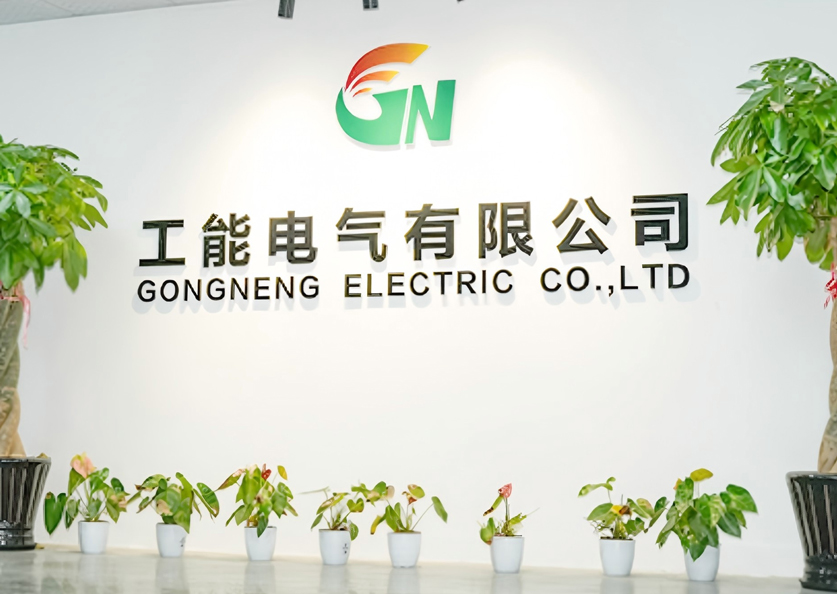
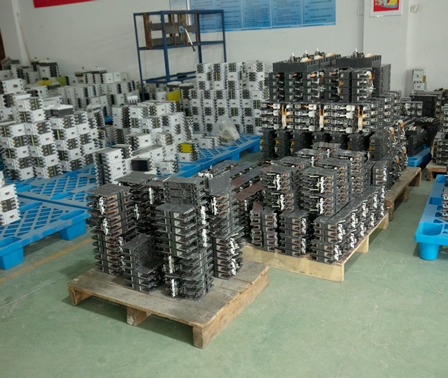
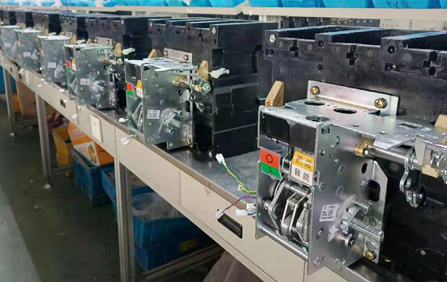
Strict quality assurance and production environments built for reliability.
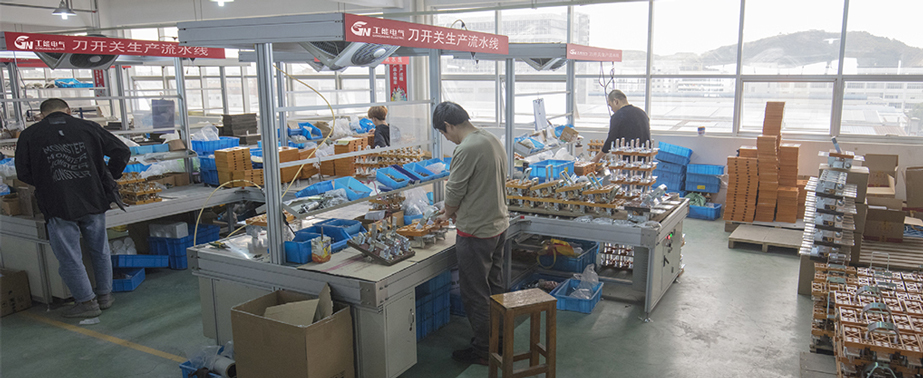
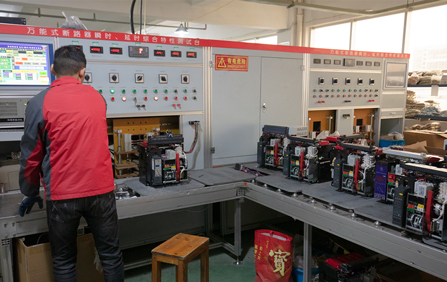
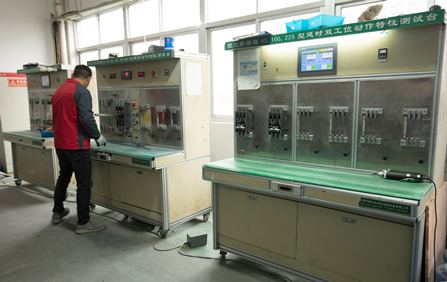
How our power transmission, isolation, and protection switchgear operates across diverse industrial sectors.
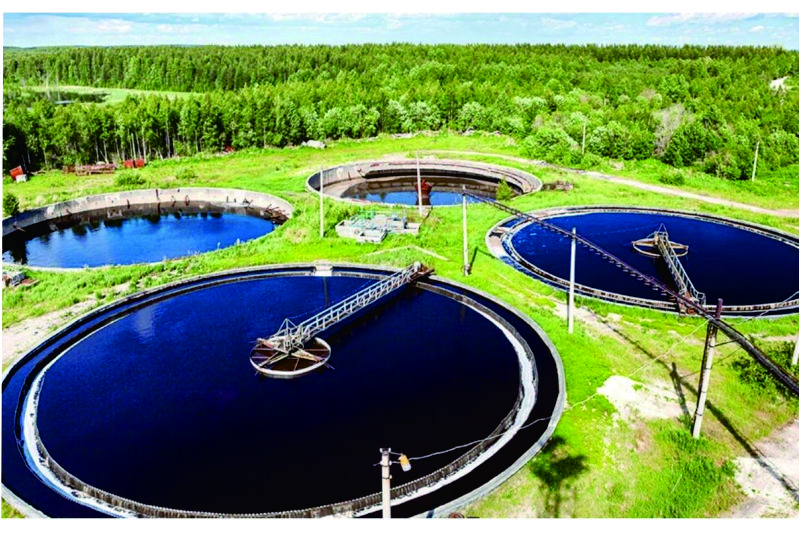
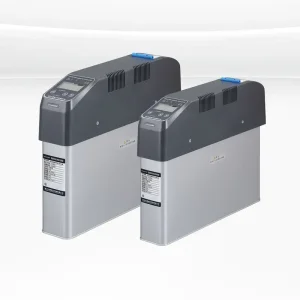
Optimized low voltage motor protection and automatic power transfer systems (ATS) ensure pump uptime and energy factor correction using smart self-healing capacitors.
Explore Case Study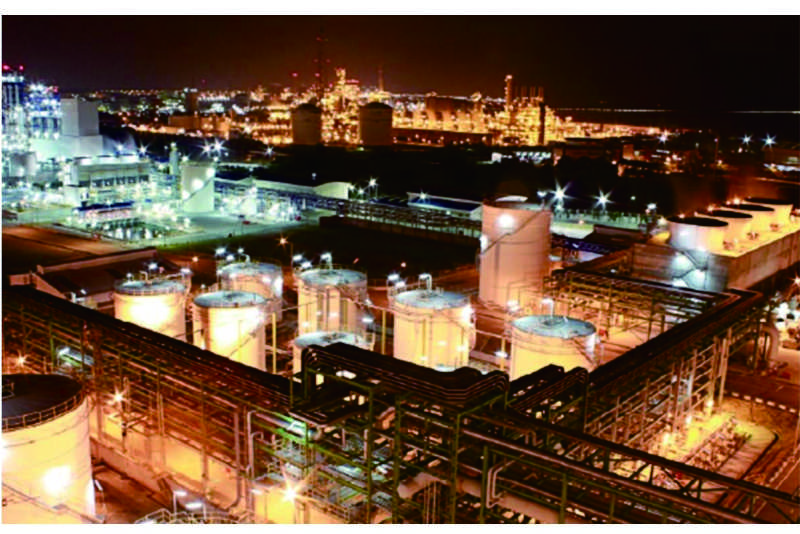
Rugged switchgear designed for volatile chemical refinery systems, ensuring electrical isolation, system safety, and fault ride-through capability in high-load setups.
Explore Case Study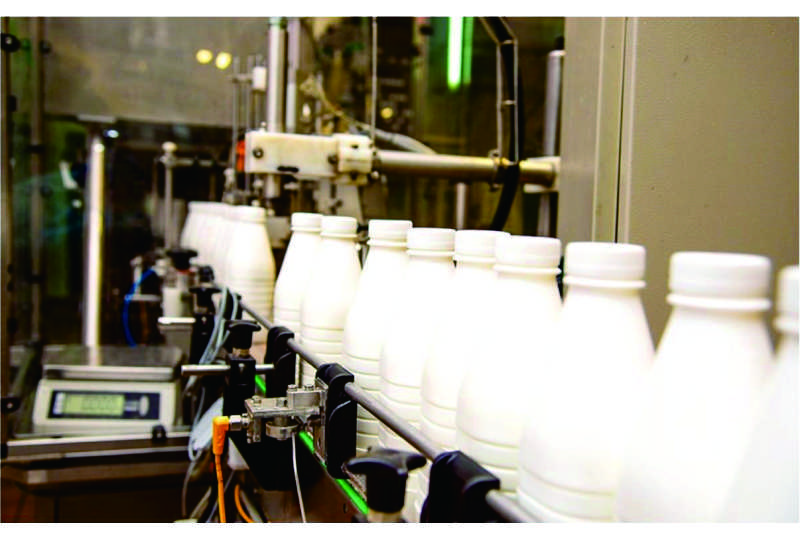
Smart integration of universal circuit breakers and MCCBs featuring IoT capabilities to monitor real-time energy usage via web and mobile interfaces.
Explore Case Study
Eco-friendly, RoHS-compliant switchgear, ATS units, and terminal distribution sockets optimized for high comfort, safe current paths, and safety certifications.
Explore Case Study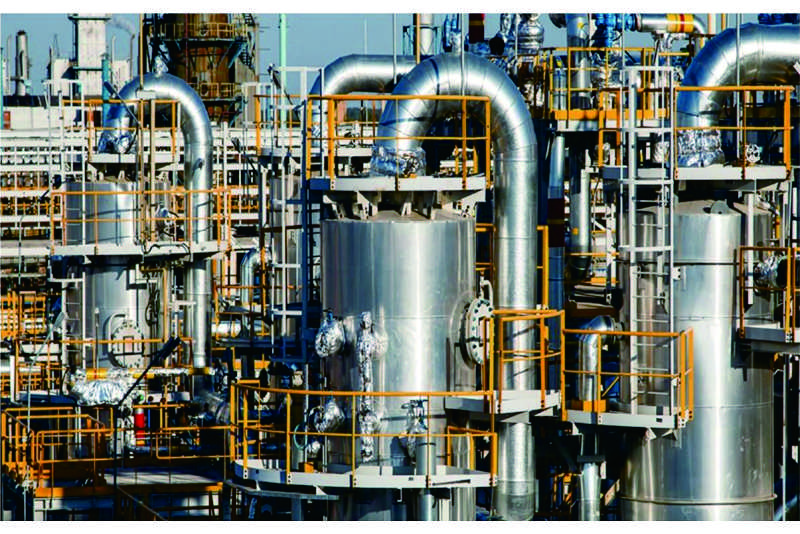
Providing custom microcomputer-based power quality monitoring and high-withstand breakers to handle severe loads and chemical corrosives.
Explore Case Study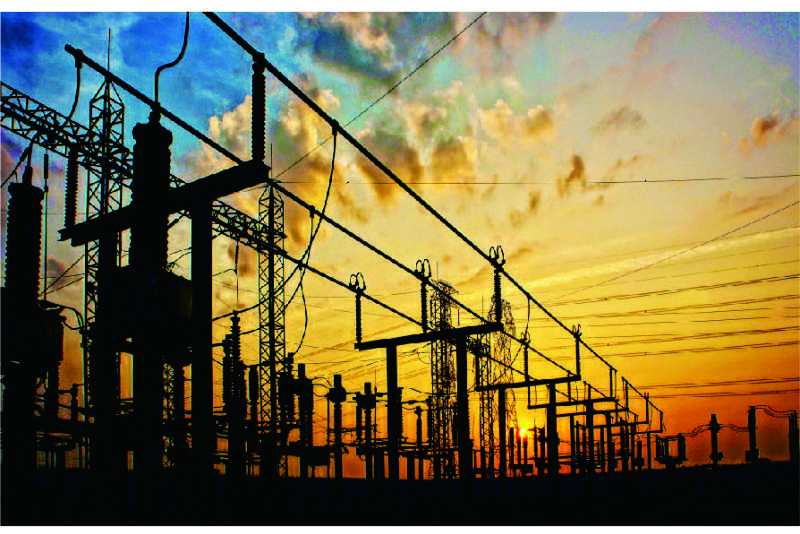
Aligned with standardized distribution guidelines, our switchgear cabinets reduce space requirements and ensure long-term maintenance compatibility.
Explore Case Study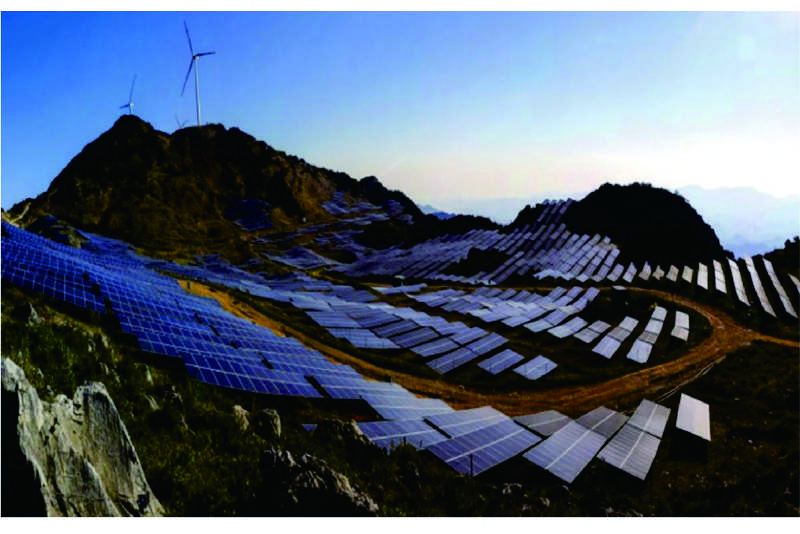
Engineered for high DC-side voltages, our solar isolation switches and circuit breakers reduce overall system losses and optimize solar plant output.
Explore Case Study
Ensuring ultra-stable voltages, minimizing electrostatic discharge, and shielding sensitive cleanroom systems from electrical line faults.
Explore Case StudyAn actionable guide for global utilities, EPC firms, and industrial buyers.
Procuring high-voltage power components demands a deep understanding of electrical, mechanical, and ambient operational stresses. System engineering directors must look beyond price points to evaluate total cost of ownership (TCO) across 30-to-40-year equipment lifetimes. Key factors to assess include:
Insulation design depends heavily on the installation site's pollution severity level (measured in Unified Specific Creepage Distance, or USCD). Traditional porcelain insulators deliver robust rigidity and outstanding performance in extreme temperatures, but are susceptible to structural fracture. In contrast, composite silicone rubber insulators offer superior performance in high-pollution and high-salinity zones due to their inherent hydrophobicity, though they require careful quality tracking to prevent UV degradation over time.
Mechanical reliability is a frequent point of failure in disconnect switch operation. While an M1 class switch certifies up to 2,000 operating cycles, an M2 class switch certifies up to 10,000 cycles without requiring structural adjustment. For critical transmission links or automation-heavy networks, sourcing M2 class switches reduces maintenance requirements.
Modern utility operators are increasingly shifting away from manual inspection intervals in favor of predictive, condition-based maintenance. High-voltage disconnect switches can now be integrated with thermal imaging modules, micro-switches for real-time positional tracking, and vibration sensors that analyze the mechanical load during operation. This data is fed directly into Substation Automation Systems (SAS) via the IEC 61850 protocol, allowing operators to preemptively identify contact wear or alignment issues before they trigger service outages.
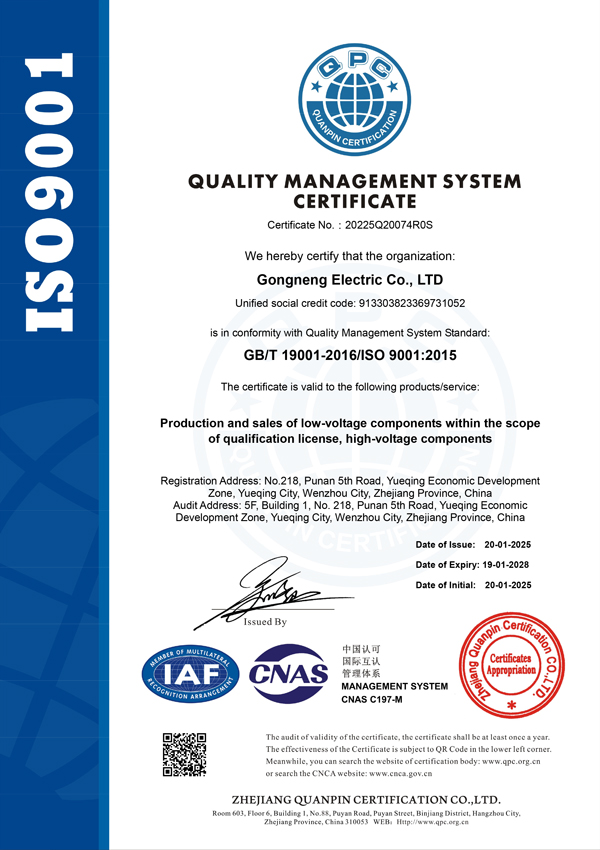
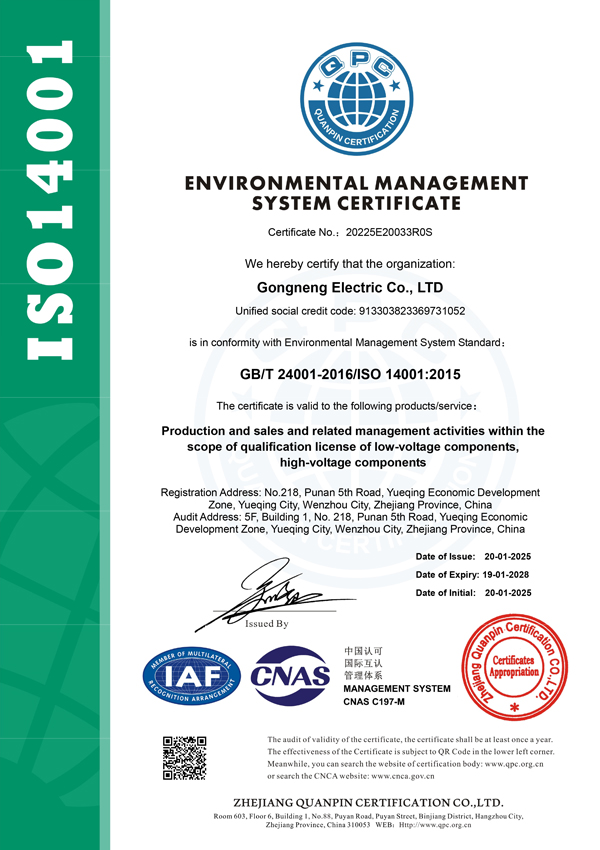
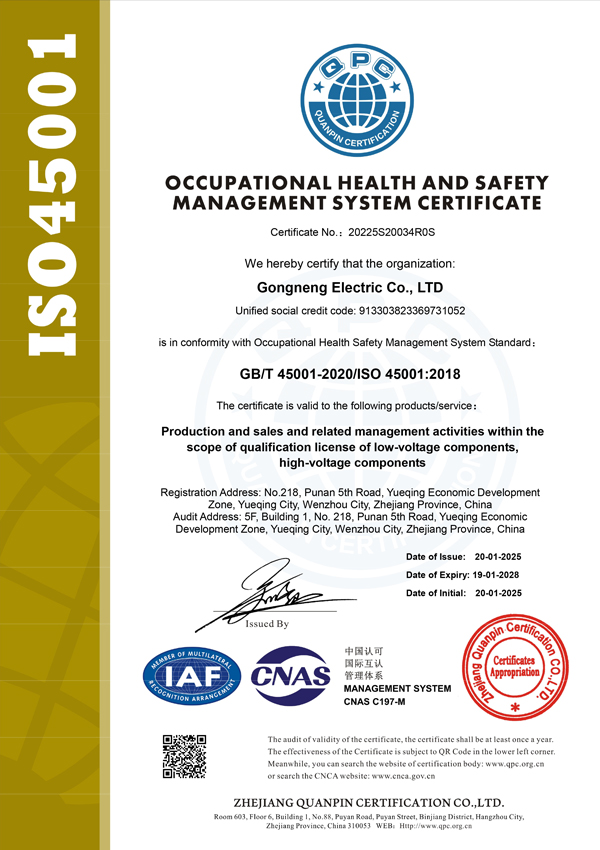
Our product categories are fully certified under strict global quality and patent standards.
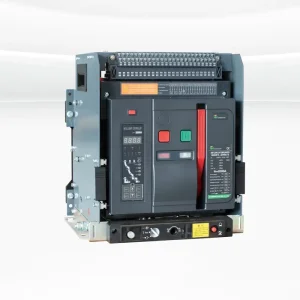
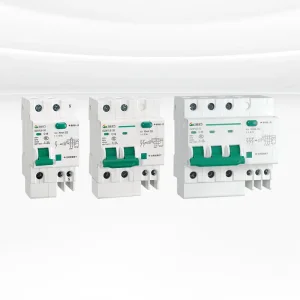
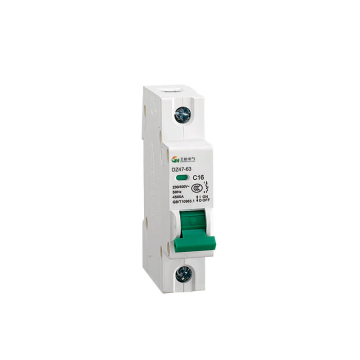
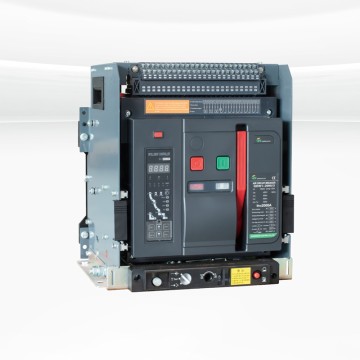
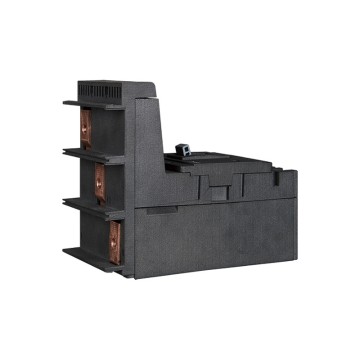
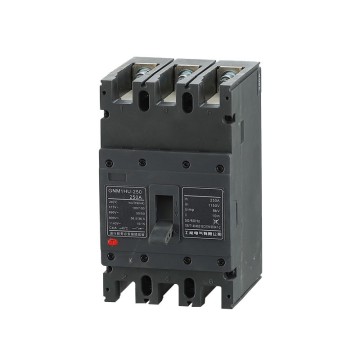
Our core capability lies in matching specialized electrical demands with reliable equipment. Our standard categories span:
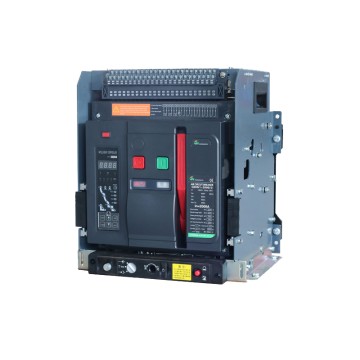
Clear, direct, and technically accurate answers to critical industry questions.
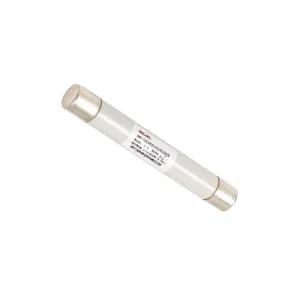
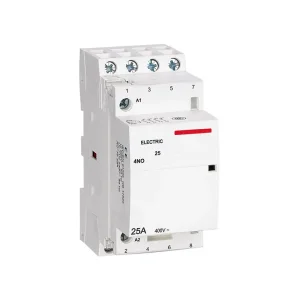
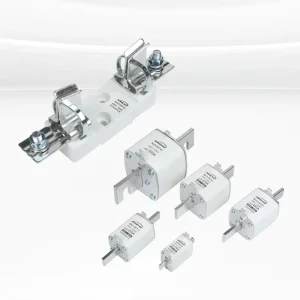
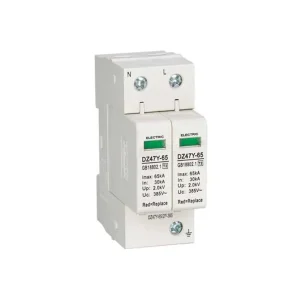
Complete your substation or facility system with our integrated electrical components.
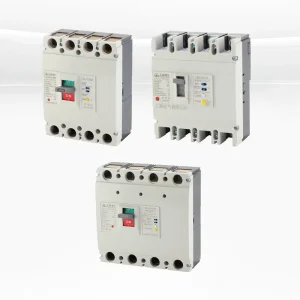
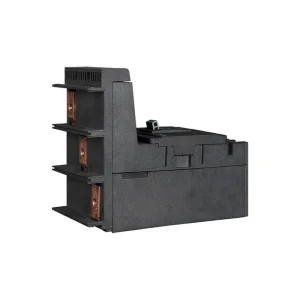
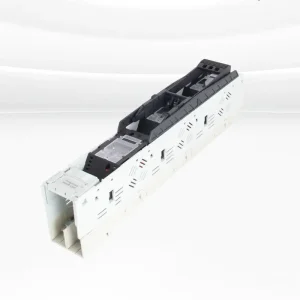
 Igoye Energy