High-voltage vacuum interruption, low-voltage controlgear, and distribution equipment designed for smart grid architectures.
In modern power electronics, the stability of the direct current (DC) link is paramount. The DCL Series DC Smoothing Reactor stands as a foundational passive component, specifically engineered to minimize ripple voltage and current within the DC bus of variable frequency drives (VFDs), solar power inverters, uninterrupted power supplies (UPS), and high-capacity battery energy storage systems (BESS).
A DC smoothing reactor operates on the electromagnetic principle of self-inductance. When a fluctuating current flows through the reactor’s winding, it induces a counter-electromotive force (counter-EMF) that opposes the rapid rate of change of the current ($\frac{di}{dt}$). This process effectively attenuates AC ripples generated by the rectification stage (such as 6-pulse or 12-pulse rectifier circuits), ensuring a steady, near-pure DC voltage profile is delivered to the load or inverter stage.
Additionally, the integration of a DCL Series Reactor provides crucial protection for the DC link capacitor bank. By limiting the peak rate of current change, it suppresses transient current surges caused by grid disturbances or abrupt load steps, significantly reducing the thermal stress on capacitor dielectrics. This improves the structural lifespan of the capacitor bank—which is typically the component most vulnerable to wear in high-power converters—extending system MTBF (Mean Time Between Failures).
Furthermore, these reactors serve as a defense against harmonic distortion backfeeding into the utility grid. By filtering high-frequency noise and switching harmonics closer to the source, DCL series reactors help ensure system compliance with global power quality guidelines, such as IEEE 519 and IEC 61000-3-12, mitigating the risk of interference with nearby control and telecommunication lines.
Transitioning from traditional silicon steel laminations to advanced nanocrystalline and amorphous cores. This design evolution reduces core eddy-current losses by up to 60%, maintaining high saturation flux density under extreme frequencies.
Optimizing inductance characteristics to support fast transient rises and high switching frequencies of Silicon Carbide (SiC) and Gallium Natride (GaN) devices, keeping high-frequency EMI generation under tight control.
Integrating fiber-optic temperature sensors and embedded current transducers directly into the reactor coils. This enables real-time diagnostic reporting to central SCADA systems for predictive maintenance.
In massive utility-scale PV plants and wind converters, DC reactors act as the primary filters inside high-power central inverters. They flatten DC ripple outputs from array collectors, maximizing inverter efficiency and minimizing output harmonic distortion before conversion to standard AC power.
Modern mega-watt charging hubs require clean and reliable power translation to prevent thermal damage to battery cells inside connected electric vehicles. DCL series reactors help clean up rectified DC outputs, ensuring clean, continuous power for EV battery management systems.
Heavy machinery industries such as paper mills, steel rolling mills, and mining hoists rely on large variable frequency drives (VFDs). Smooth DC link inputs provided by our reactors mitigate drive-tripping events and extend motor winding service lives.
Uninterruptible power supply systems rely on stable DC battery banks to ensure server stacks remain powered during grid outages. DCL series smoothing reactors limit switching ripple currents, reducing battery cell heating and maintaining continuous service uptime.
Located inside the highly integrated Economic Development Zone of Yueqing City, Zhejiang Province, Zhejiang Igoye Energy Technology Co., Ltd. utilizes geographical advantages in high-performance component sourcing. With Qili Harbor to the south, Yueqing Bay to the east, and the Liubai economic corridor close by, we guarantee fast export shipping paths to global clients.
Our modern manufacturing infrastructure is built on Factory 4.0 methodologies. Equipped with automated precision winding machines, specialized vacuum pressure impregnation (VPI) varnish plants, and digital thermal analysis sensors, we monitor coil tension, resistance profiles, and insulation thickness in real-time. This helps ensure consistent product quality across bulk orders.
For quality assurance, our team applies Statistical Process Control (SPC) tools across critical manufacturing stages. This allows us to track parameter deviations, detect process shifts early, and record material data for every completed assembly.
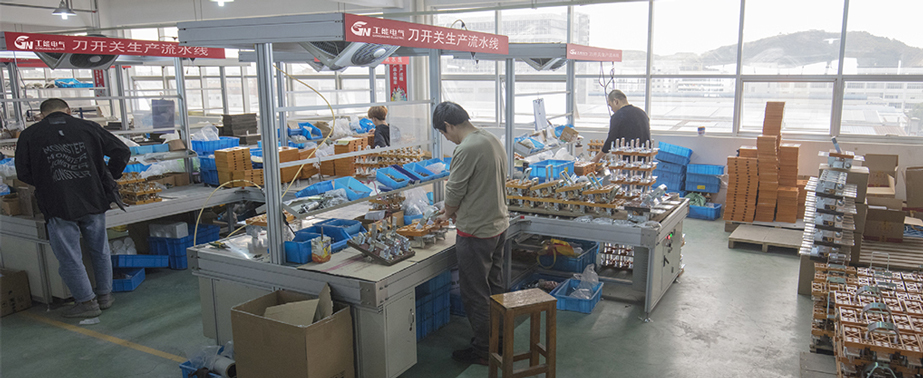
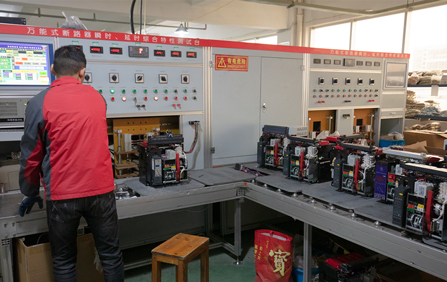
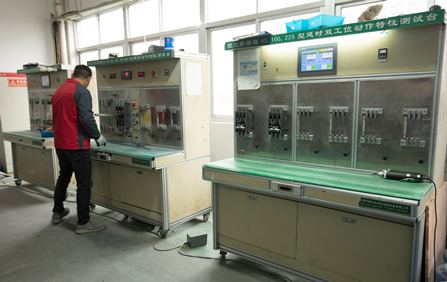
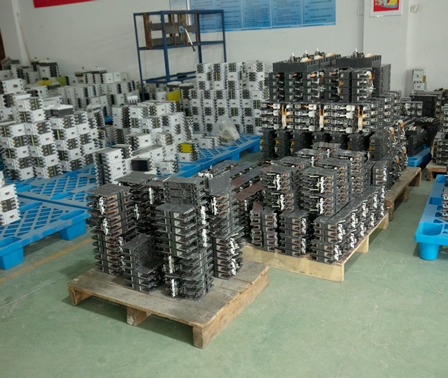
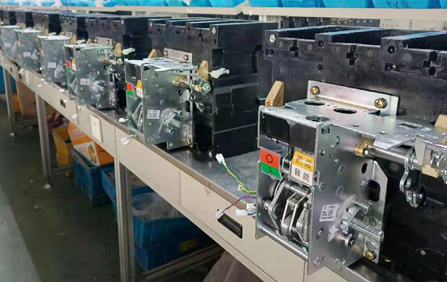
Procuring heavy-duty electrical reactors at a global level requires strict compliance with international standards, fast shipping, and technical integration. Our ODM division provides custom sizing and engineering design services for clients worldwide, ensuring our reactors seamlessly integrate into your equipment designs.
We work closely with global design engineers to customize dimensions, winding materials (high-conductivity copper or grade-EC aluminum), mounting orientation, termination interfaces (busbars, box terminals, or custom lugs), and specific inductance characteristics. This custom flexibility helps optimization efforts in marine, offshore wind, and chemical plant environments where installation space is restricted.
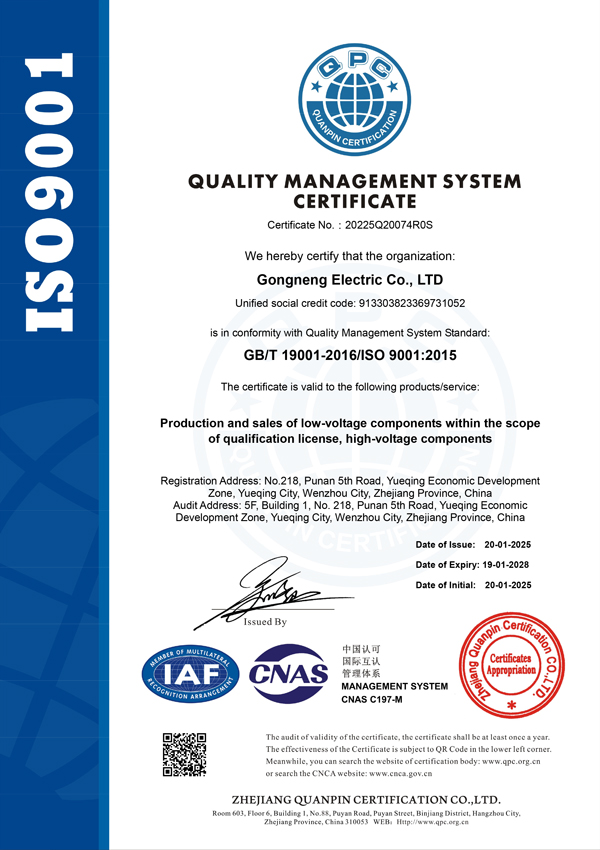
Certified in compliance with ISO9001:2015 frameworks to verify product safety, quality, and traceabiliy across production stages.
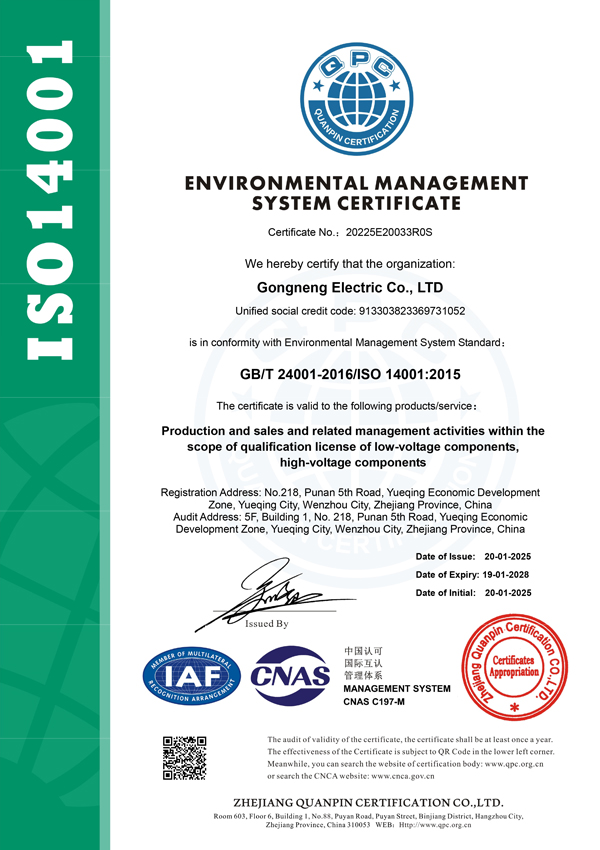
Testing verified by accredited third-party labs to meet CE, IEC, and RoHS specifications for European and international installations.
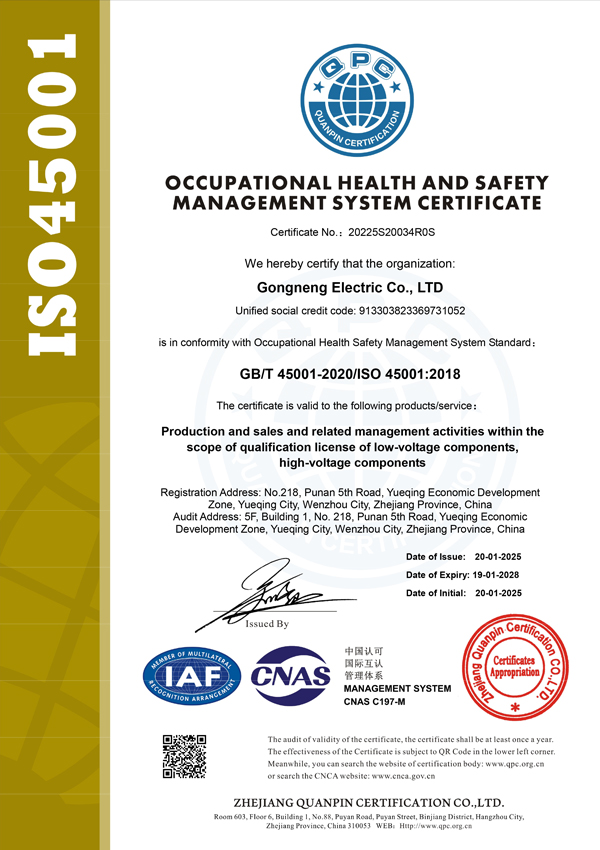
Patented electromagnetic architectures designed to improve magnetic flux efficiency and reduce thermal losses in heavy industrial configurations.
Selecting the appropriate magnetic core substrate is key to balancing thermal efficiency, high-frequency performance, spatial limitations, and project budgets. The comparison table below highlights the performance tradeoffs of typical magnetic substrates used in high-power DC smoothing reactors.
| Parameter Characteristics | Silicon Steel Core (CRGO) | Amorphous Alloy Core | Nanocrystalline Core |
|---|---|---|---|
| Saturation Flux Density ($B_{sat}$) | High (~1.9 to 2.0 Tesla) | Medium (~1.56 Tesla) | Medium (~1.25 Tesla) |
| High-Frequency Core Loss | High (increases exponentially with frequency) | Low (approx. 20-30% of Silicon Steel) | Extremely Low (ideal for ultra-high switching frequencies) |
| Frequency Range Capability | Up to 1 kHz | Up to 20 kHz | Up to 100 kHz+ |
| Thermal Stability Rating | Class H (Up to 180°C) | Class F (Up to 155°C) | Class H / N (Up to 180°C - 200°C) |
| Footprint / Weight Ratio | Larger footprint at high frequencies | Medium weight (highly efficient shape profiling) | Most compact option for high-frequency setups |
Its primary function is to smooth the direct current waveform, reducing ripple voltage and current generated during the rectification phase. It helps prevent high-frequency noise from feeding back into the AC grid, improves system power factor, and shields downstream DC-link capacitors from transient current spikes.
Inductance is calculated using the formula: $L = \frac{V_{dc} \cdot (1 - D) \cdot D}{f_s \cdot \Delta I_L}$ where $V_{dc}$ represents the target DC bus voltage, $D$ is the switching duty ratio, $f_s$ is the switching frequency, and $\Delta I_L$ is the peak-to-peak ripple current limit (typically targeted between 2% and 8% of the total rating).
Core saturation occurs when the magnetic field intensity ($H$) pushes the magnetic flux density ($B$) past the core material's saturation limit ($B_{sat}$). This causes a sharp drop in inductance. We prevent this by designing reactors with built-in air gaps in the magnetic core, which linearizes the saturation curve and maintains stable inductance during current overloads.
An AC Line Reactor is placed on the incoming AC supply line, helping to suppress line harmonics and protect the rectifier bridge from voltage surges. A DC Link Reactor (or DCL series) is integrated into the DC bus after rectification, where it works specifically to smooth DC ripple current and protect the inverter bridge and DC capacitors.
Yes. Our ODM engineering services specialize in custom configurations, including custom frame aspect ratios, horizontal mount layouts, and alternate mounting orientations, allowing our products to fit into tight switchgear enclosures and modular VFD chassis.
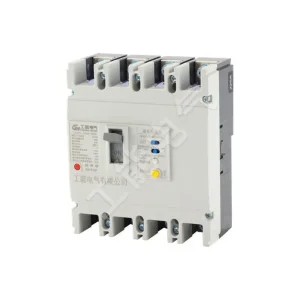
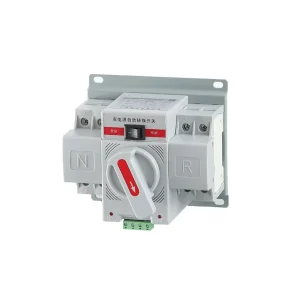
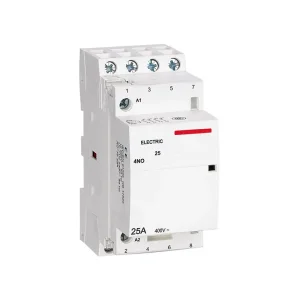
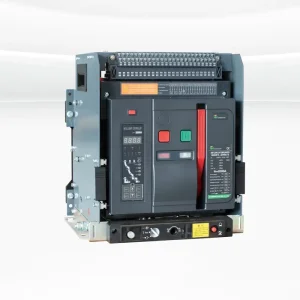
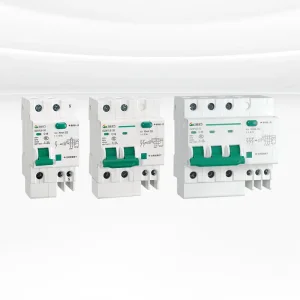
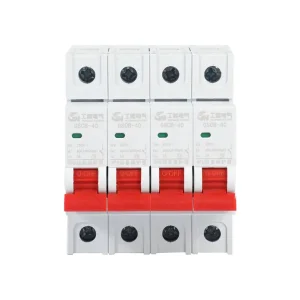
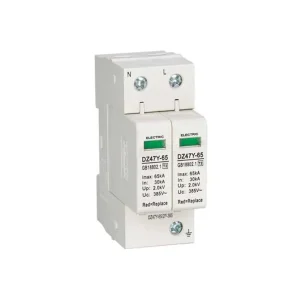
Ensuring end-to-end system protection, from industrial contactors to advanced low-voltage circuit breakers.
 Igoye Energy