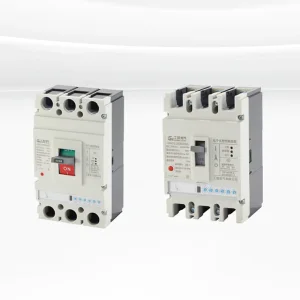
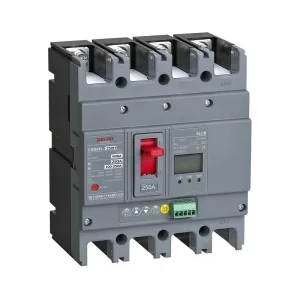
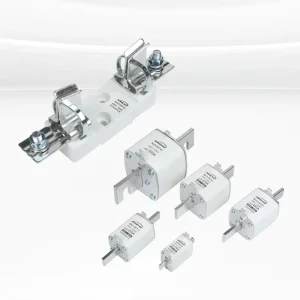
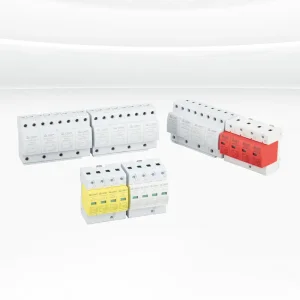
Explore our elite range of OEM/ODM electrical hardware, manufactured under strict international testing frameworks to guarantee seamless reliability and microsecond response times.
Maintaining power continuity is no longer just a technical requirement—it is a cornerstone of global economic stability and industrial safety.
Modern automated assembly lines, high-frequency smelting facilities, and digital fabrications rely heavily on an uninterrupted grid supply. The global market for Automatic Transfer Switches (ATS) is expanding rapidly as emerging markets build robust manufacturing zones. OEM ATS products act as the automated switchboard brain, seamlessly shifting from primary grid supplies to backup generator banks or energy storage units in milliseconds.
In clinics and massive hyperscale data centers, a power disruption of even one second can compromise human lives or lead to catastrophic data corruption. High-performance ATS switchgear ensures that backup diesel generators or online UPS systems switch smoothly, complying strictly with safety protocols like UL 1008 and IEC 60947-6-1. Modern designs leverage intelligent microprocessors to match voltage, phase, and frequency between two active power lines before initiating the transfer.
With the rise of wind farms, solar fields, and private microgrids, electrical systems are becoming increasingly decentralized. ATS units serve as structural gatekeepers, routing energy flow from volatile green energy installations back to grid tie-ins or battery stacks. By engineering high-end ATS with smart communications protocols (RS-485, Modbus-RTU, and Ethernet), OEM manufacturers allow network engineers to monitor utility metrics remotely and optimize load-shedding configurations dynamically.
Deciding between PC Class and CB Class architecture is vital for optimal circuit protection, thermal withstand capability, and operational lifespan.
| Evaluation Parameter | PC Class (Power Contact ATS) | CB Class (Circuit Breaker ATS) |
|---|---|---|
| Primary Mechanism | Dedicated mechanical switch utilizing double-throw contact design, without integrated overcurrent trip mechanisms. | Constructed utilizing two molded case circuit breakers (MCCB) or miniature circuit breakers interlocked mechanically and electrically. |
| Short-Circuit Protection | Requires external fuses or dedicated upstream circuit breakers to handle fault currents safely. | Features built-in thermal-magnetic or electronic trip units to protect loads from overloads and short circuits. |
| Withstand Rating (WCR) | Extremely high short-time withstand current. Built to survive severe thermal and mechanical stresses without contact separation. | Typically lower compared to PC Class units of the same size, limited by the clearing time of the built-in circuit breaker trip unit. |
| Transfer Speed | Fast switching mechanisms (ranging between 20ms to 50ms), reducing transient voltage drops for sensitive IT environments. | Comparatively slower (ranging between 50ms to 120ms) as the mechanical action requires resetting or releasing the breaker mechanism. |
| Mechanical Durability | High mechanical life cycles (up to 10,000+ operations), optimized purely for clean switching cycles. | Limited by the mechanical operations rating of standard MCCB switchgear (typically 4,000 to 6,000 operations). |
Our OEM manufacturing factories deliver both class paradigms. We recommend PC Class Automatic Transfer Switches for main incoming distribution boards where short-circuit fault levels are highest, and CB Class ATS for sub-distribution boards where space constraints dictate an integrated overcurrent protection unit. Standard components are housed in robust, flame-retardant enclosures that block environmental ingress and guarantee operations even in harsh sub-zero or high-humidity environments.
Located within the highly strategic Economic Development Zone of Yueqing City, Zhejiang Province, Zhejiang Igoye Energy Technology operates at the nexus of China's electrical engineering hub. Positioned adjacent to Qili Harbor in the south, Yueqing Bay in the east, and the Liubai Economic Circle in the west, our facility enjoys prime logistics access to international shipping routes.
We are a dedicated R&D-driven manufacturer committed to producing world-class low-voltage electrical systems. Our products are deployed across electric power grids, industrial plants, renewable energy networks, and high-performance commercial sectors worldwide.
To ensure unmatched batch consistency, we deploy standard Statistical Process Control (SPC) tools across our key production lines. Our strict enterprise quality framework coordinates tracking from incoming raw copper and alloys up to the final testing logs, enabling complete traceability for every single product that leaves our assembly floor.
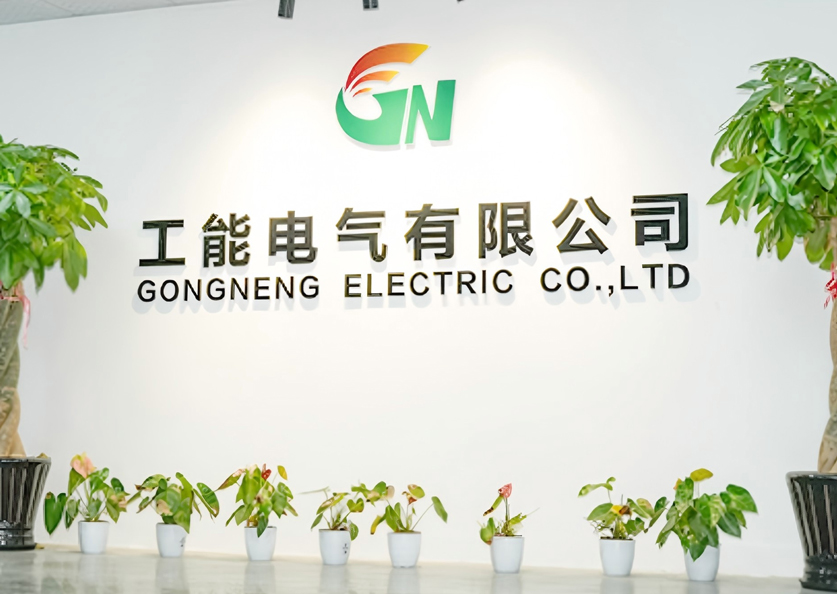
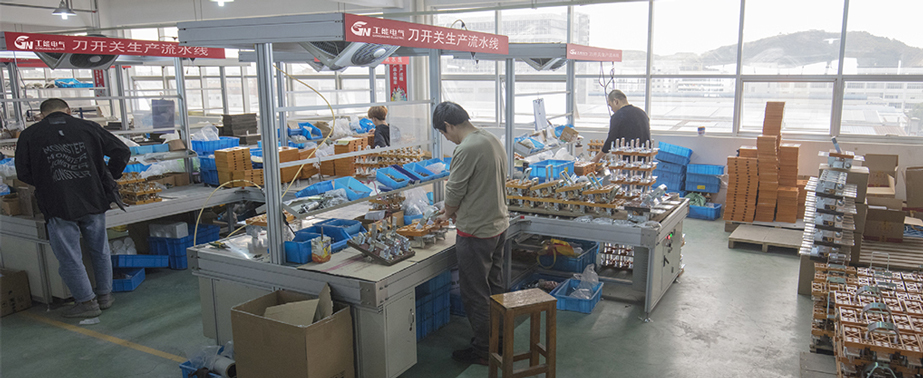
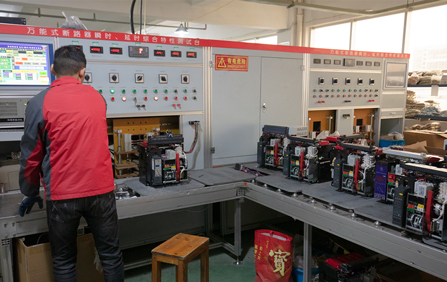
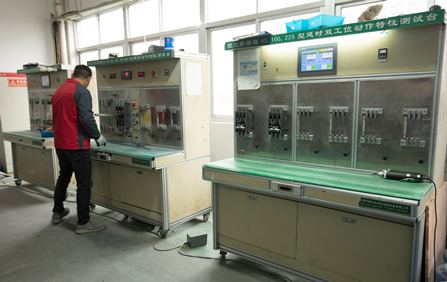
Inside our advanced manufacturing units, featuring precision automated assembly lines, high-accuracy testing rigs, and quality validation laboratories.
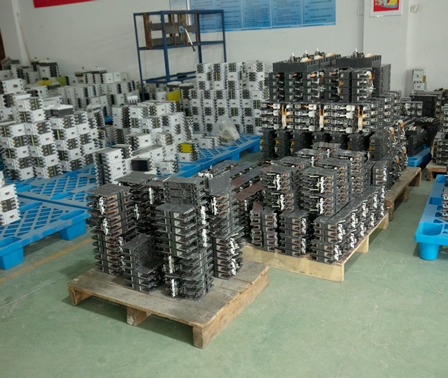
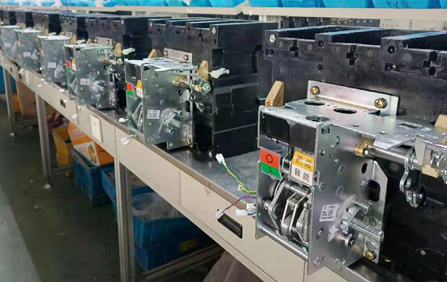
We maintain a comprehensive certification portfolio ensuring global market compatibility, representing system performance, safety design, utility patents, and environmental compliance.
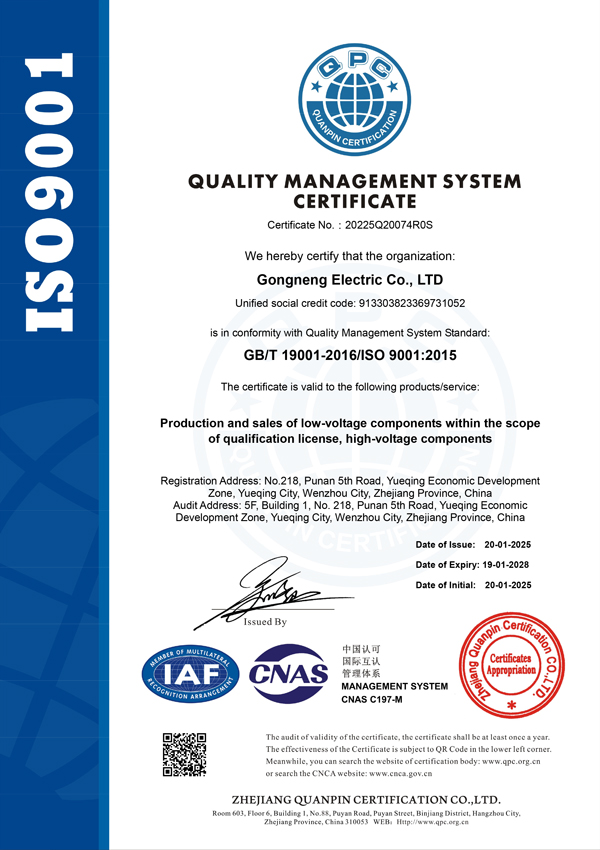
ISO9001 compliance validation safeguarding operational consistency.
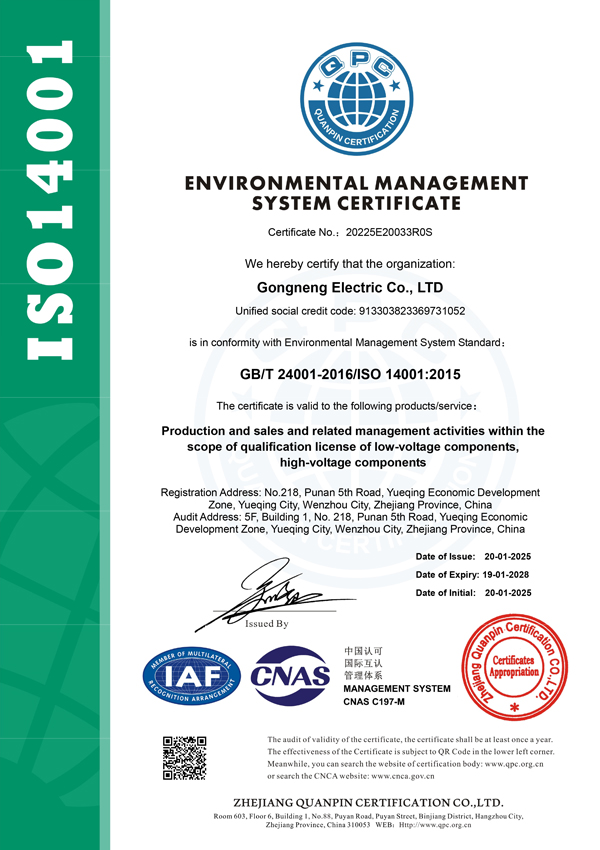
CE & CCC certificates affirming compliance with international safety protocols.
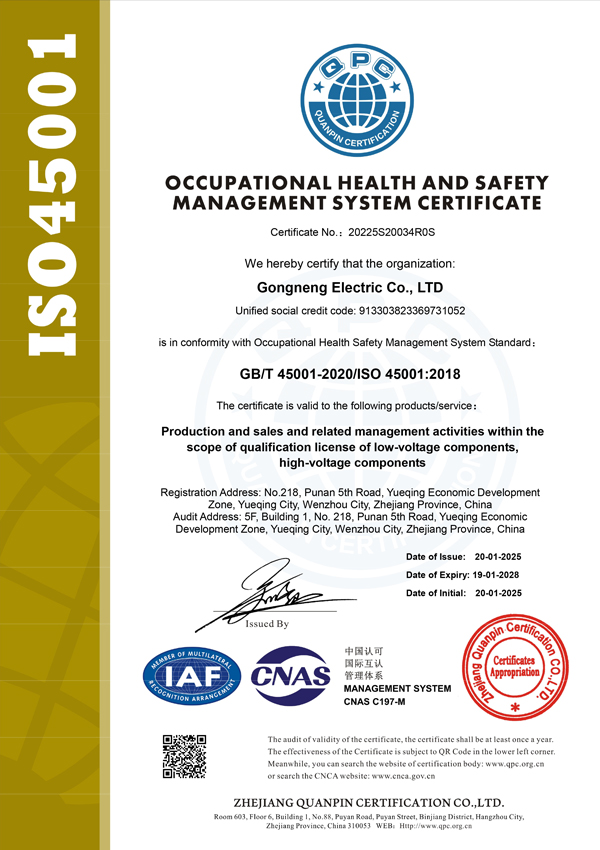
Proprietary technical patents protecting advanced mechanical interlocking mechanisms.
Tailoring low-voltage engineering architectures to solve specific environmental and functional challenges across industrial and commercial sectors.
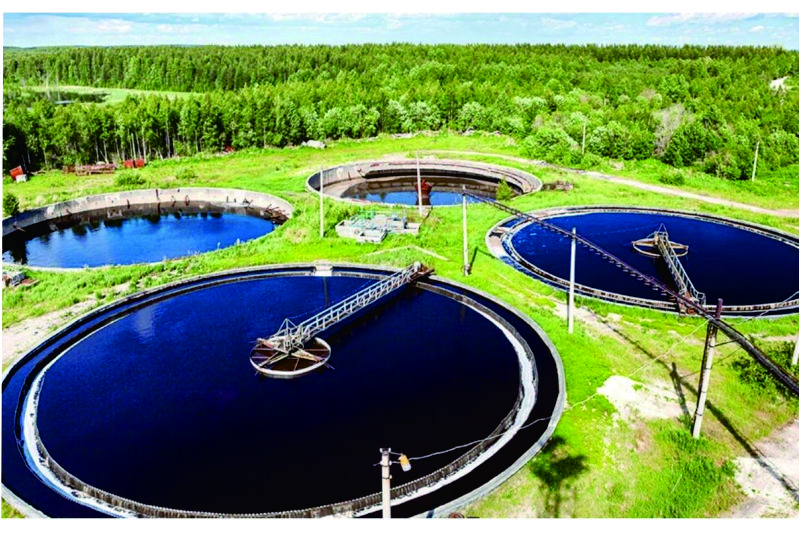
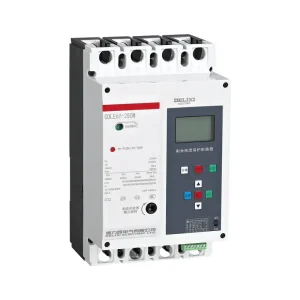
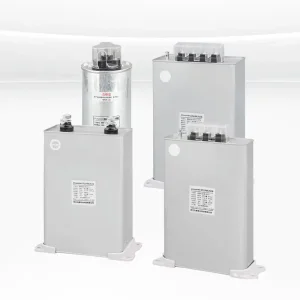
Pumping stations operate under severe inductive loads. Frequent startup cycles can cause rapid tripping if protective controls are not finely tuned. We integrate intelligent molded case motor protectors with fast-acting, high-withstand ATS modules to switch sources during line failures immediately. Additionally, self-healing low-voltage capacitors are integrated into the panelboards to dynamically compensate for reactive power, optimizing system line-loss and motor lifespan.
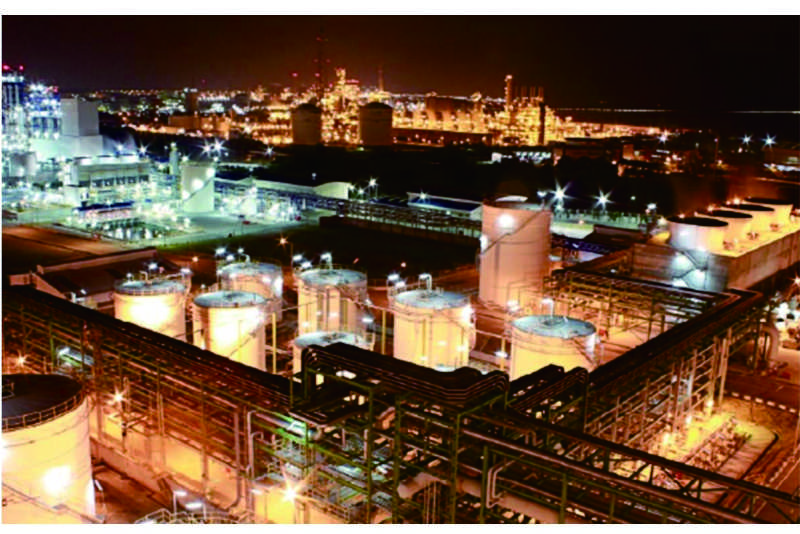
Refineries and extraction fields present volatile ambient conditions, large mechanical loads, and harsh corrosion. System reliability must approach 99.999%. Our custom ATS boards utilize rugged enclosures, double-row mechanical interlocks, and dedicated microprocessors. By managing transition times and incorporating transient voltage suppressors (TVSS), we safeguard automation instrumentation against line harmonics and voltage dips.
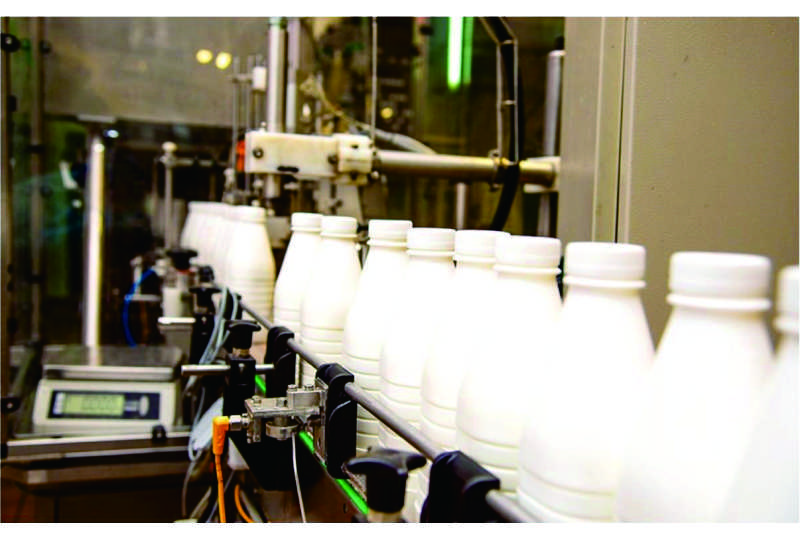
From textiles to packaging lines, operational efficiency requires granular energy management. Our smart solutions leverage universal air circuit breakers (ACB) and cloud-enabled electronic MCCBs. Factory operators can track real-time current draw, thermal metrics, and system operations on both mobile and PC clients. If a fault occurs on the primary grid, our ATS isolates the damaged circuit while shifting control logic to backup panels instantly.

Safety and environment go hand-in-hand in high-traffic buildings. Our entire range of low-voltage components complies with the strict EU RoHS directive, completely eliminating harmful heavy metals like lead, cadmium, and mercury. We offer a unified portfolio including air circuit breakers, molded case switches, residential terminal distribution boards, and modular ATS units that combine into sleek, quiet-running wall cabinets.
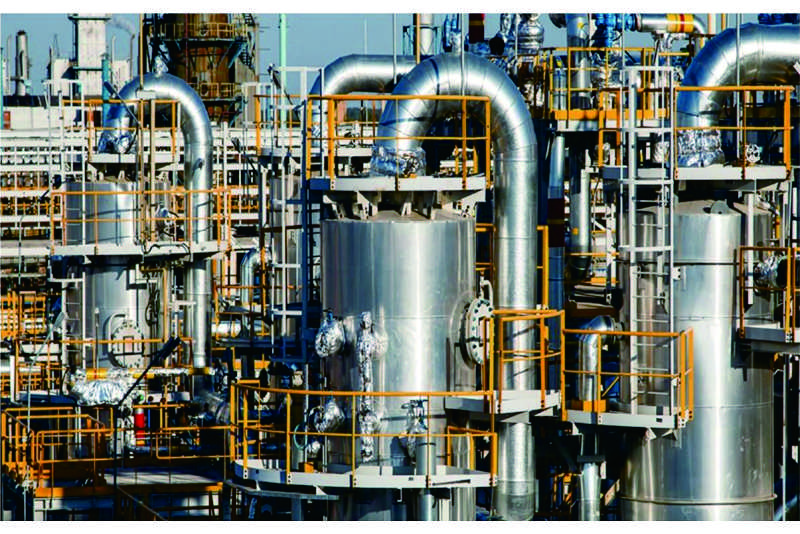
Continuous industrial chemistry processes cannot tolerate power interruptions without risking compound spoilage or chemical release. We calculate exact system short-circuit currents and transient loads. Our solution combines microcomputer protection units, phase sequence relays, and robust switchgear to monitor utility quality and switch to backup generator power before critical pressure or thermal pumps shut down.
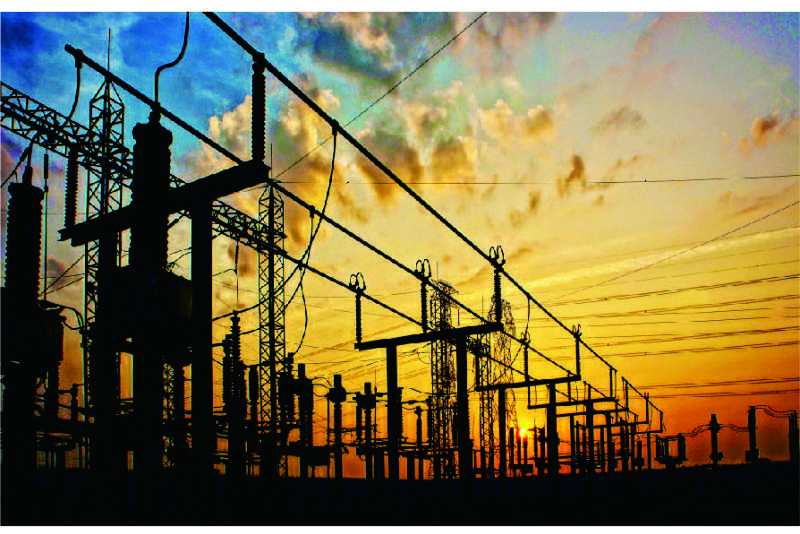
Historically, non-standard modular sizes from disparate switchboard manufacturers made upgrading local distribution stations expensive and complex. In response to public utility initiatives, we design and produce standardized low-voltage cabinet modules. Universal spatial footprints and interconnect layouts minimize engineering design lead times and make installation, maintenance, and expansions effortless.
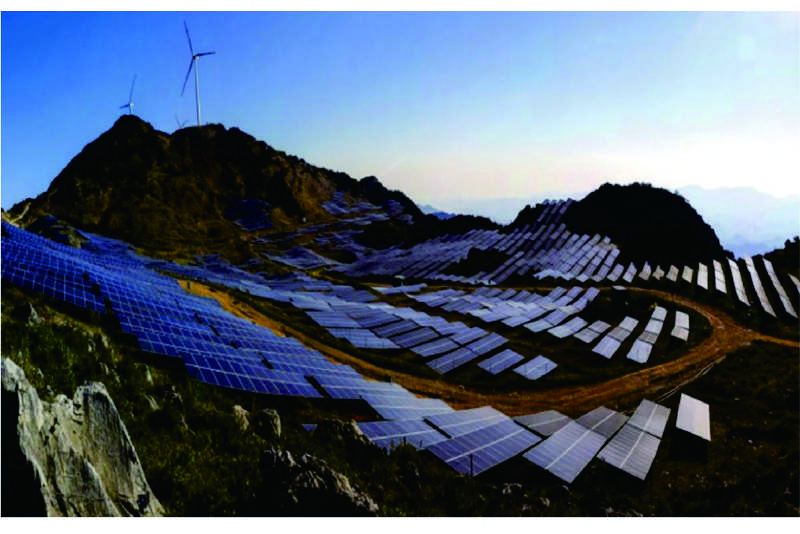
Utility-scale solar fields and residential microgrids require dedicated DC protection. High DC voltage levels cause intense switching arcs that can quickly destroy contacts if not managed. Our high-voltage DC MCCBs and isolation switches are engineered to withstand continuous solar bus loads. Working alongside automated transfer switches, they enable seamless transitions between solar arrays, battery backup units, and utility grid feeds.
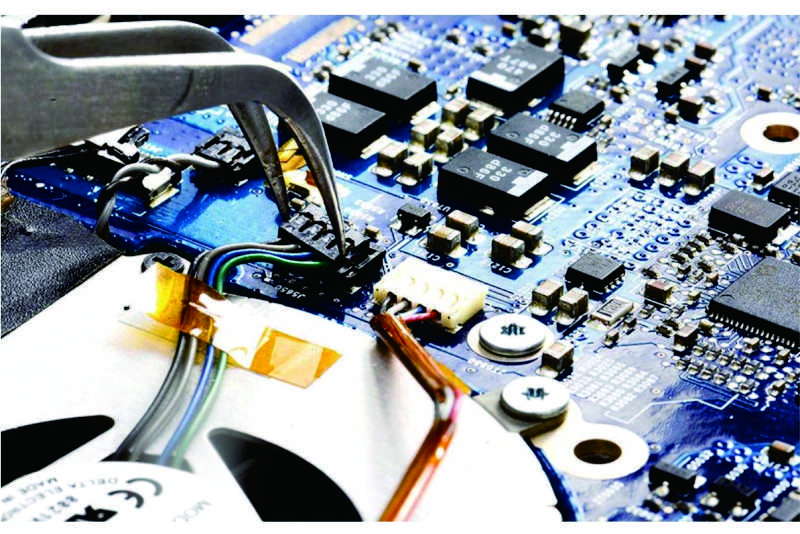
Modern semiconductor fabrication cleanrooms are extremely sensitive to power quality anomalies like micro-sags, swell-transients, and electrostatic discharge (ESD). Even minor voltage fluctuations can stop lithography machinery, ruining silicon wafers worth millions. Our electrical designs prioritize transient voltage surge suppression, precise isolation transformers, and high-speed automatic transfer switchgear to ensure a constant supply of clean, filtered electrical power.
Analyzing current development trends, technical milestones, and the transition toward next-generation solid-state transfer switches.
Conventional transfer mechanisms rely on simple electromagnetic relays and timers. Our current production generation utilizes 32-bit ARM microprocessors. These systems continuously analyze primary and secondary source waveforms, computing voltage differences, phase-angle displacement, and frequency deviations. Transfers occur at the optimal moment, reducing physical contact wear and preventing damaging switching transients.
Mechanical contacts, no matter how fast, require physically moving a metal copper bridge. For ultra-sensitive applications, the future lies in solid-state switching using Silicon Controlled Rectifiers (SCRs). SCRs achieve transfers in less than 4 milliseconds by switching at the exact zero-crossing point of the AC sine wave, completely eliminating mechanical contact wear and electrical arcing.
Integrating ATS units into broader plant energy dashboards via Ethernet and wireless IoT protocols enables predictive maintenance. Our future product roadmap focuses on embedding sensor suites directly into the switch contacts. These sensors measure micro-ohm contact resistance, thermal rise, and mechanical operating speed. Predictive AI models process this data to alert facilities managers of maintenance needs long before an actual component failure occurs.
Find authoritative answers to common engineering questions regarding the selection, application, and operation of OEM automatic transfer switches.
Discover more high-performance products from our manufacturing lines, designed to work seamlessly alongside our transfer switches to provide end-to-end electrical protection.
 Igoye Energy