Explore our highly certified product range engineered for global power distribution systems and protective networks.
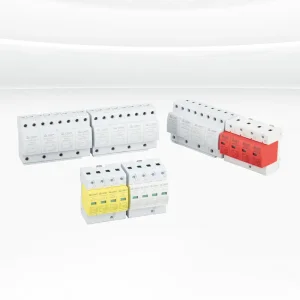
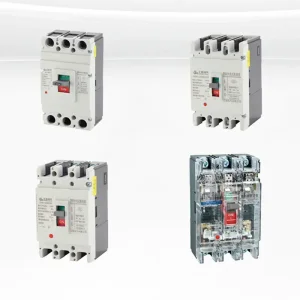
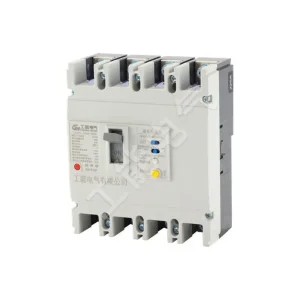
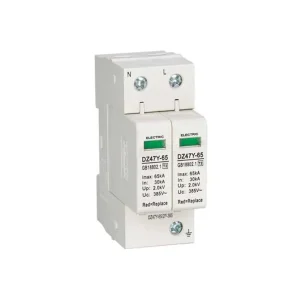
Miniature Circuit Breakers (MCBs) represent the foundational safety mechanism in contemporary low-voltage electrical grids. Designed to replace legacy fuse links, MCBs perform double duty: they shield conductors against overcurrent (thermal protection via bimetallic deformation) and short-circuit faults (electromagnetic protection via a trip coil/solenoid). Selecting the correct Miniature Circuit Breaker Types is paramount to guarantee selectivity, safety, and minimize operational downtime in industrial, commercial, and utility installations.
The standard architecture of a high-performance MCB comprises a molded outer housing constructed from flame-retardant thermoplastics (typically glass-fiber reinforced polyamide PA66), a manual operating mechanism, a bimetallic strip for thermal overload protection, a magnetic coil for short-circuit suppression, and a sophisticated arc-chute designed to cool and extinguish electrical arcs during faults. To optimize your electrical infrastructure, engineers must categorize MCBs using three primary criteria: Tripping Curves, Pole Configurations, and Rated Short-Circuit Breaking Capacity.
| Tripping Curve | Magnetic Trip Threshold | Standard Applications | Inrush Tolerance |
|---|---|---|---|
| Type B Curve | 3 to 5 times rated current (In) | Resistive loads, domestic lighting, PLC control circuits, and long cable runs. | Low |
| Type C Curve | 5 to 10 times rated current (In) | Inductive loads, fluorescent lighting, small commercial motors, and general power distribution. | Moderate |
| Type D Curve | 10 to 20 times rated current (In) | Highly inductive loads, large motors, transformers, welding equipment, and UPS systems. | High |
| Type K (Curve) | 8 to 12 times rated current (In) | Wind-up devices, motor starter circuits, high transient inductive peaks. | High |
| Type Z (Curve) | 2 to 3 times rated current (In) | Sensitive semiconductor components, PLCs, medical equipment, and high-speed electronics. | Very Low |
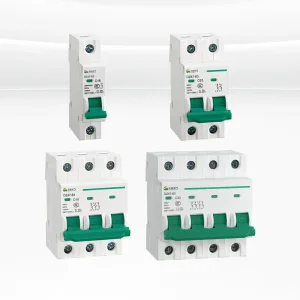
Moreover, the classification by pole configuration—ranging from 1P (Single Pole) up to 4P (Four Pole)—determines how neutral lines are switched and monitored. In simple single-phase systems, 1P and 2P configurations dominate, whereas industrial three-phase systems require 3P and 4P designs to facilitate simultaneous interruption of all phase lines. Operating at different rated breaking capacities (typically 4.5kA, 6kA, 10kA, up to 15kA and above), these breakers ensure that the device itself does not disintegrate under severe fault conditions. Working alongside major industrial products like GNM3 AC/DC high-voltage circuit breakers, these components keep operations safe across various power distribution scenarios.
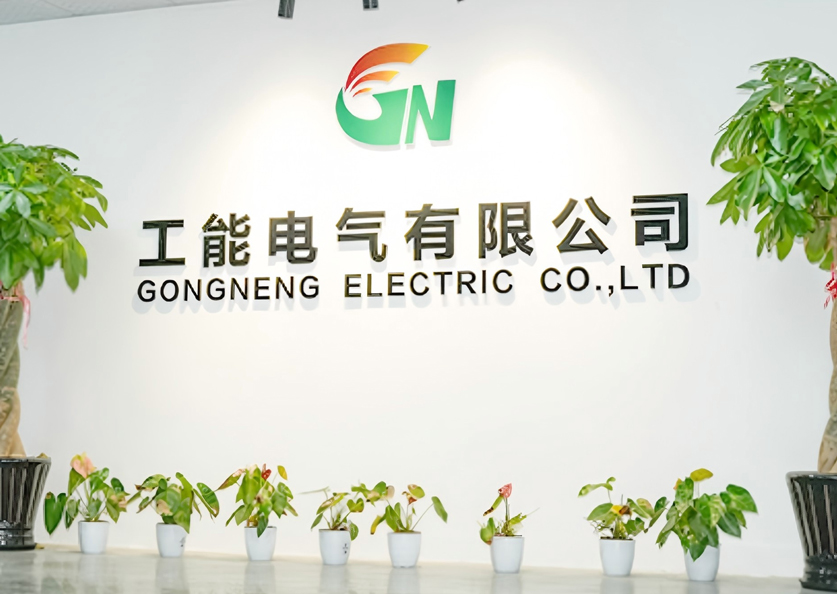
Strategically situated in the high-tech Economic Development Zone of Yueqing City, Zhejiang Province, Zhejiang Igoye Energy Technology Co., Ltd. stands as a premier manufacturer in the low-voltage electrical industry. Our location coordinates are highly optimized for global logistics: bordered by the deep-water Qili Harbor in the south, the expansive Yueqing Bay in the east, the vibrant Yueqing City Center in the north, and the robust Liubai Economic Circle in the west. This geographical hub ensures rapid container dispatch and integrated raw material access.
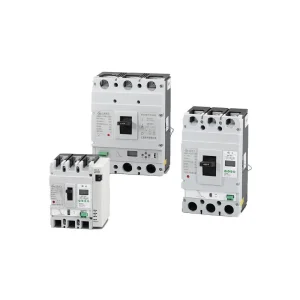
We are firmly committed to the research, development, and advanced manufacturing of terminal and power distribution appliances. Under an elite management framework, we have set up key quality control points, utilizing statistical process control (SPC) tools to improve process stability. Every component, from bimetals and copper shunts to molded plastic enclosures, is monitored via an end-to-end traceability system recording manufacturing date, material composition, and key inspection parameters. This ensures that every MCB, MCCB, or ATS leaving our line is built to perform in harsh industrial environments.
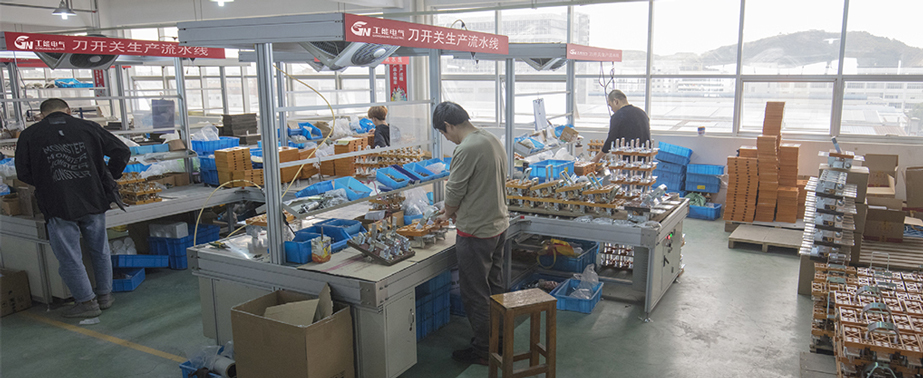
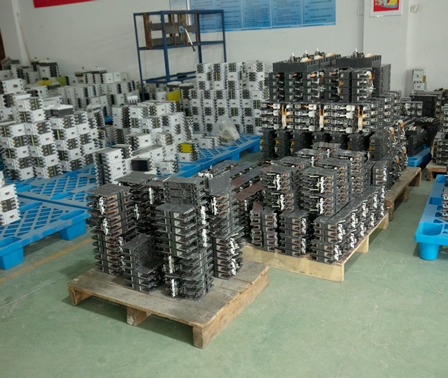
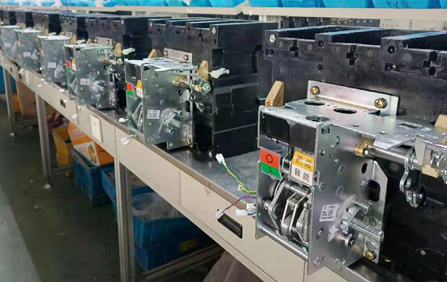
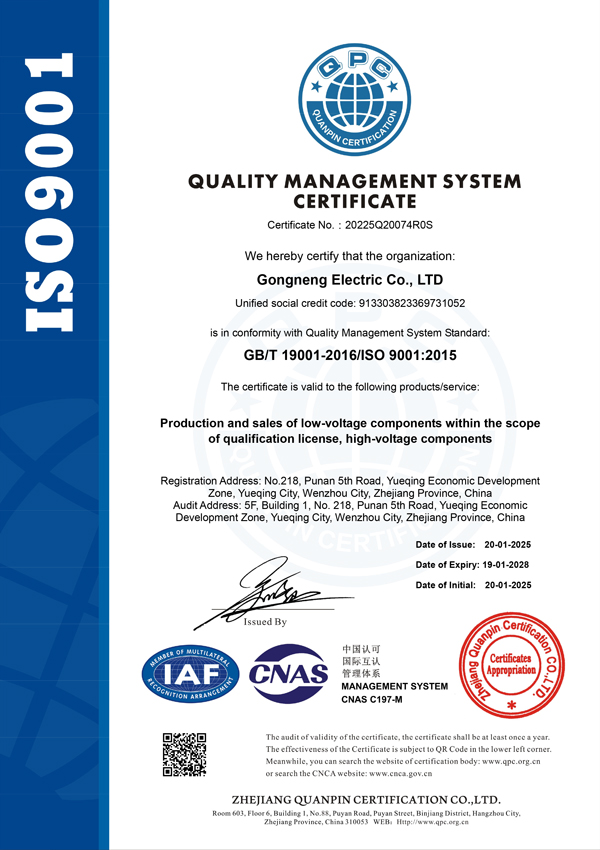
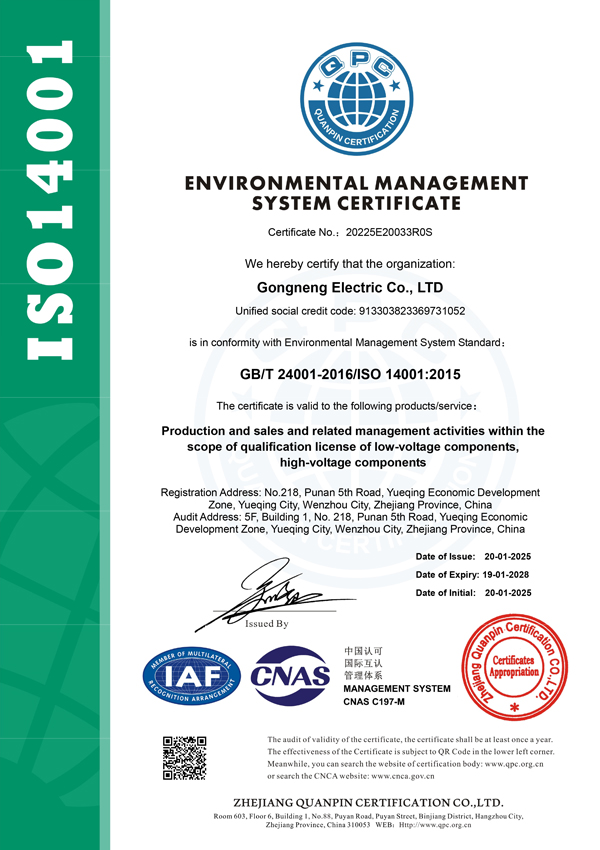
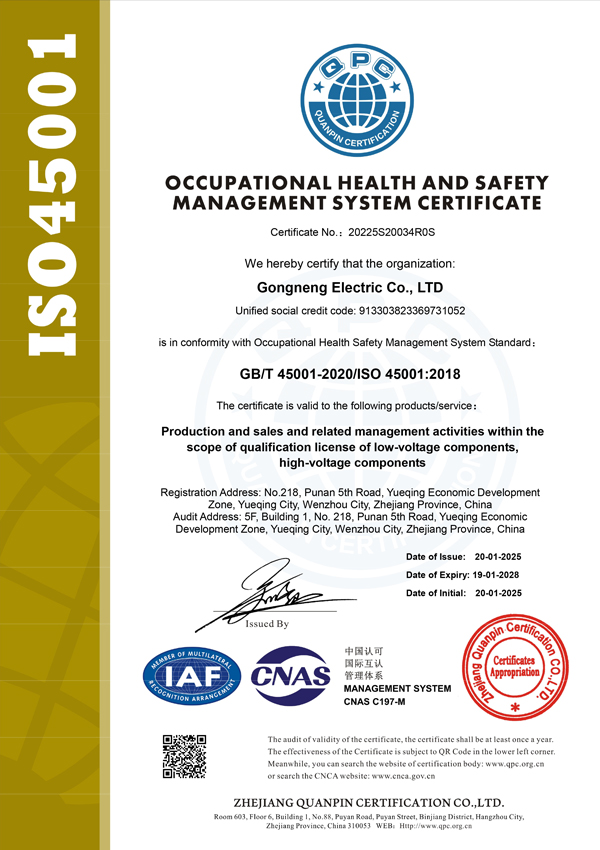
Igoye Energy's production floors feature automatic winding machines, precise riveting lines, automated calibration systems for thermal and electromagnetic trip characteristics, and computerized multi-parameter test benches. We hold ourselves to strict standards, earning certifications that validate our focus on safety, environment, and quality management systems.
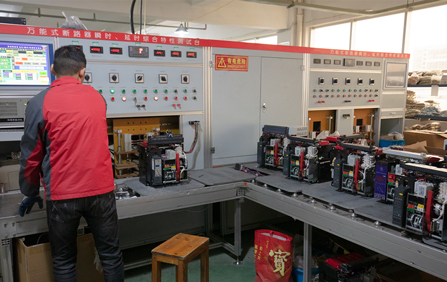
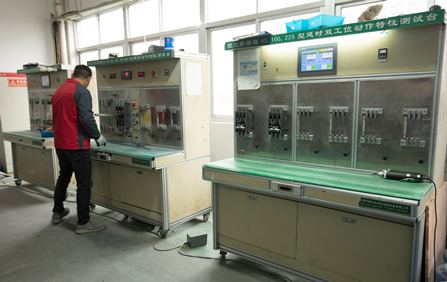
We believe in verifiable performance. Our products comply with major global frameworks including CE, RoHS, CB, and national CCC standard protocols. Our testing routines simulate harsh short circuits and environmental endurance tests to ensure structural integrity over long operational lifecycles.
Miniature circuit breakers and low-voltage electrical distribution systems must adapt to specific operational demands in different settings. Here is how Igoye's electrical equipment integrates across eight critical industries:
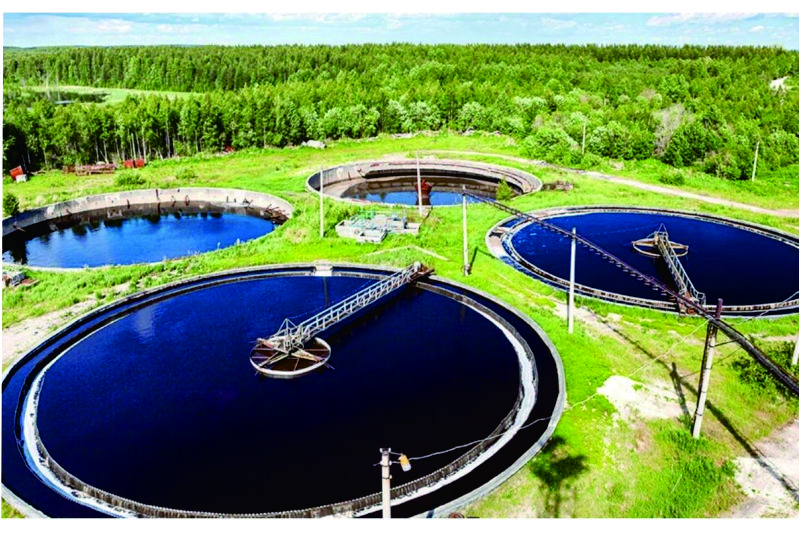
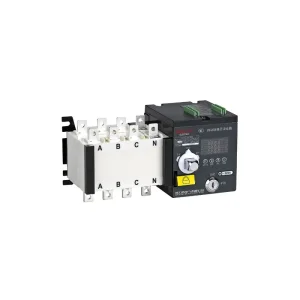
We provide a reliable power distribution package: custom plastic shell motor protection units that prevent tripping during initial motor startup, helping water pump stations run smoothly. If a main line fails, our dual power switches quickly route power to the backup source to maintain operation. Additionally, smart capacitors compensate for system losses, helping improve power factor and energy efficiency.
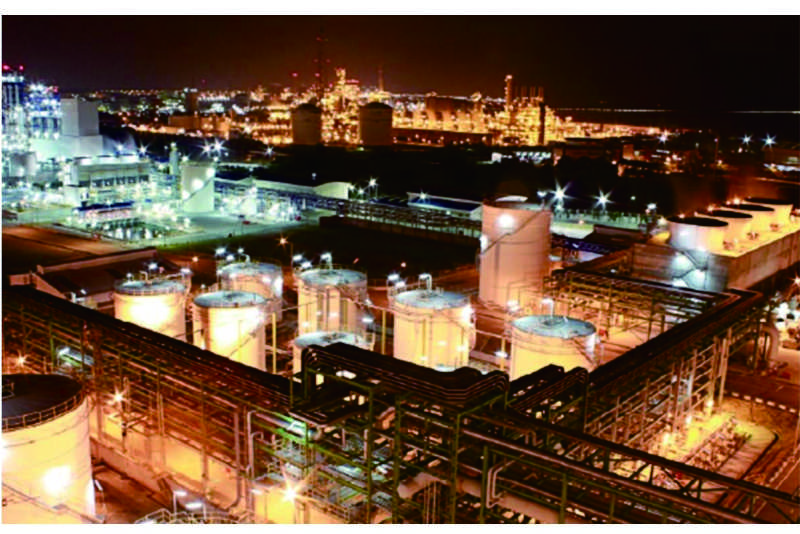
Petrochemical refining requires continuous power under high loads and harsh environments. Igoye's industrial-grade circuit breakers feature high short-circuit breaking capacities and anti-corrosive treatments. This protection package supports petrochemical plants transition from quick growth to a focus on safety, efficiency, and reliability.
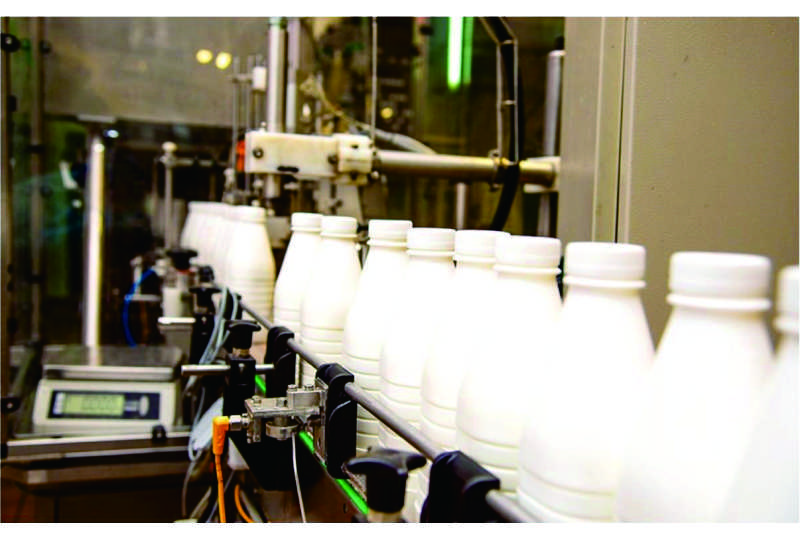
For operations like food packaging and textiles, system intelligence and energy efficiency are key. We supply smart universal breakers and electronic plastic shell MCCBs. These devices enable operators to track power data in real time via PC or mobile terminals, supporting equipment uptime and energy monitoring.

Our hotel distribution range uses materials free from hazardous substances like benzene, lead, and mercury, meeting EU RoHS environmental requirements. We offer a full range of ACBs, MCCBs, ATS units, and terminal distribution boards to provide clean, safe, and stable power distribution for hospitality facilities.
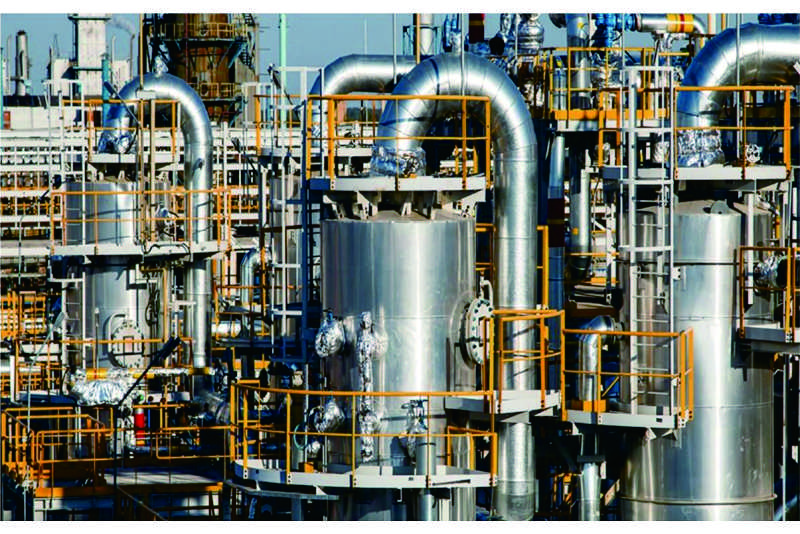
Chemical plants require strict power safety and continuity. Igoye calculates system fault currents to help choose the right protection parameters. Using microcomputer protection and monitoring, we help protect manufacturing lines from voltage fluctuations and electrical accidents.
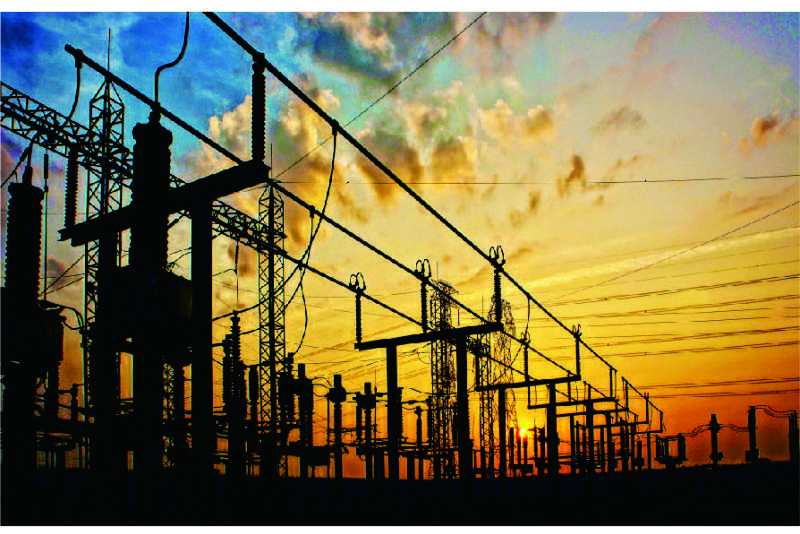
We supply modular, standardized low-voltage components that fit standardized distribution enclosures. This design approach simplifies updates and replacements, helping improve overall equipment reliability and operation for utility networks.
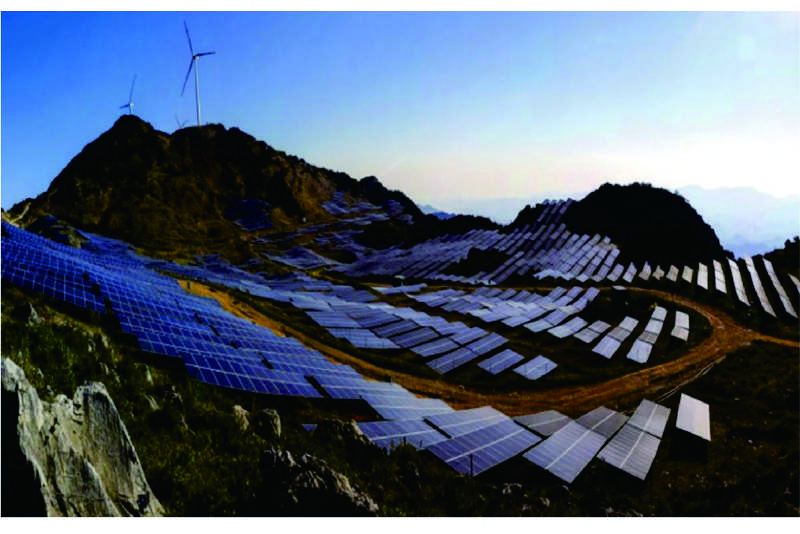
With the growth of solar energy, photovoltaic plants require specialized DC circuit protection. Igoye provides high-voltage DC MCBs, surge arresters, and DC isolators designed to manage solar system voltages and optimize power transmission efficiency.
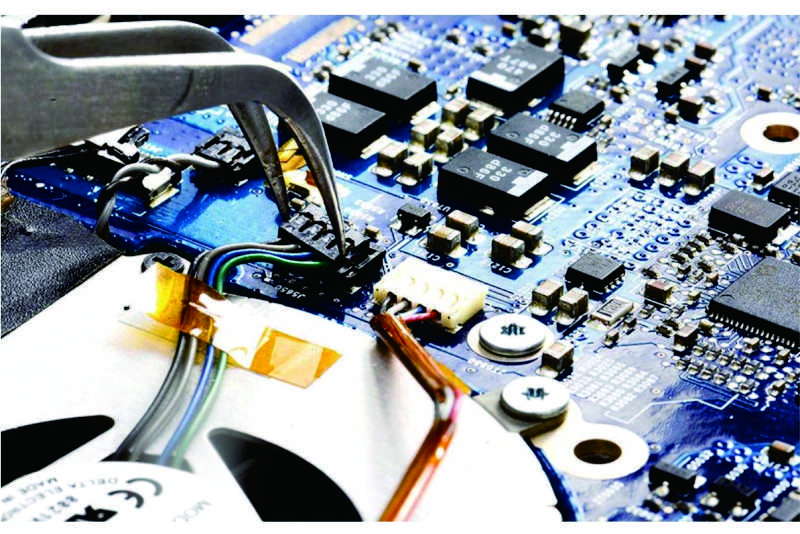
Electronic manufacturing requires steady, clean power. Our protection components help prevent electrical faults, voltage fluctuations, and electrostatic issues, reducing the risk of disruption and maintaining system reliability.
Yueqing City, specifically the Liubai economic area, is a recognized global center for low-voltage electrical components. The local supply chain ecosystem offers significant advantages for international buyers:
1. Integrated Production: Upstream suppliers for key parts (bimetallic coils, silver alloy contacts, and fiberglass-reinforced housings) are located nearby, shortening production timelines and keeping component quality consistent.
2. Tooling and Production Standards: Extensive local expertise in mold design and precision sheet metal production allows us to quickly develop custom OEM products and adjust designs to meet evolving global standards.
3. Advanced Testing Facilities: Access to regional high-power testing laboratories lets us perform short-circuit tests, temperature rise assays, and mechanical lifecycle tests locally, reducing development time for new designs.
Low-voltage power protection is shifting toward connected, smart devices. Igoye's technology roadmap focus areas include:
Using electronic sensors and microcontrollers instead of traditional bimetallic parts enables adjustable trip characteristics and high repeatability across varying ambient temperatures.
Integrating Modbus, Zigbee, or Matter communication protocols directly into the breaker housing allows remote status monitoring and simplified power grid control.
Embedded current and voltage sensors enable real-time power usage calculations directly within the circuit breaker, without requiring external metering devices.
Explore our high-voltage vacuum breakers, dropout fuses, disconnector switches, and power correction capacitors.
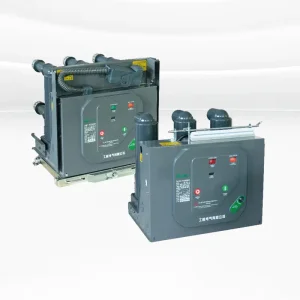
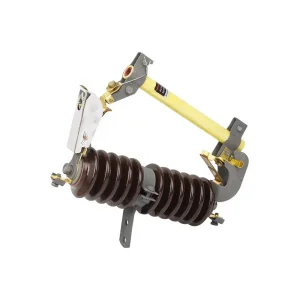
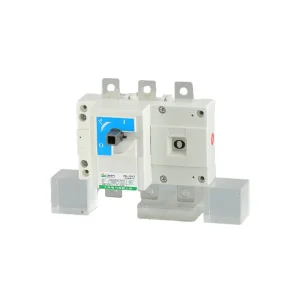
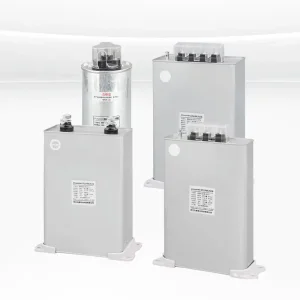
Get answers to common technical and logistical questions about sourcing circuit breakers and power components from China.
 Igoye Energy