In modern industrial automation, the continuity of electrical power is no longer merely a metric of operational convenience; it is a fundamental pillar of economic survival. Globally, commercial and industrial enterprises are confronting unprecedented challenges to grid stability. The integration of volatile renewable energy sources, extreme climate occurrences, and aging transmission infrastructure have dramatically elevated the risk of transient voltage drops, voltage sags, and complete blackouts.
According to recent power quality research, transient power interruptions costing industrial operators millions of dollars annually are not caused solely by long-duration blackouts. Instead, micro-interruptions lasting less than 100 milliseconds often initiate catastrophic cascade failures in high-precision processes. For sectors like semiconductor manufacturing, continuous chemical synthesis, and cloud data centers, a power disruption of a single cycle can disrupt synchronized mechanical operations, ruin product batches, and lead to extensive component damage. Consequently, the demand for engineered ODM Power Interruption Backup Solutions has transitioned from standard localized UPS configurations to fully integrated, intelligent medium-and-low-voltage distribution networks.
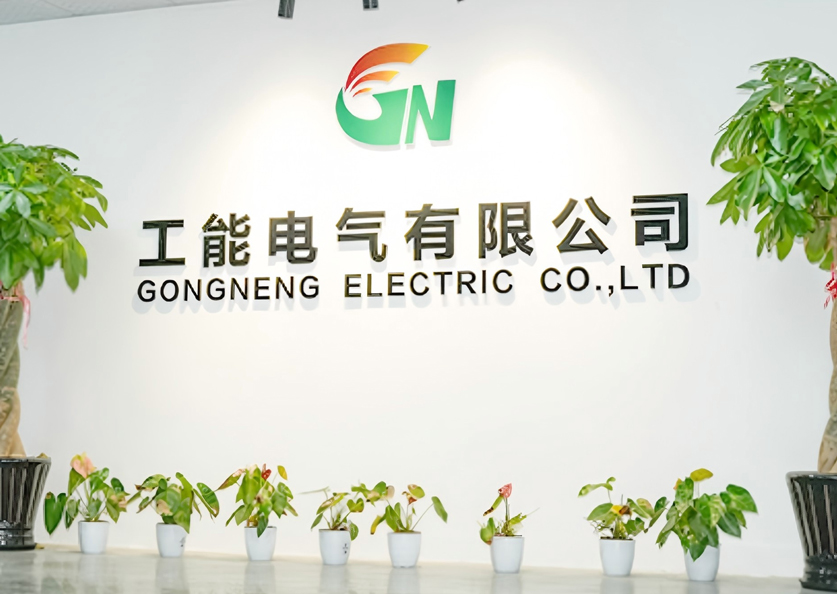
Zhejiang Igoye Energy Technology Co., Ltd. is strategically situated in the Economic Development Zone of Yueqing City, Zhejiang Province. Surrounded by Qili Harbor to the south, Yueqing Bay to the east, Yueqing City Center to the north, and the Liubai Economic Circle to the west, Igoye thrives at the absolute heart of the global electrical manufacturing ecosystem. This geographical positioning provides immediate logistical access and connects us directly with the world’s most dense supply chain network for low-voltage components, structural components, and high-conductivity materials.
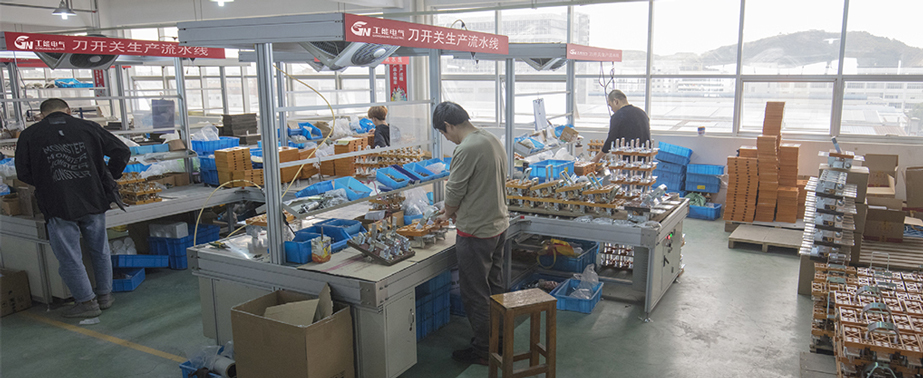
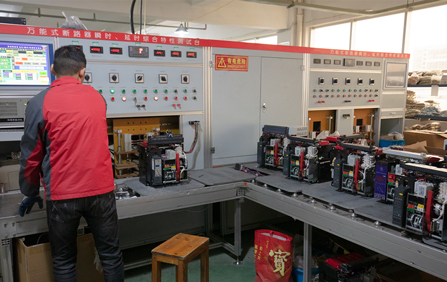
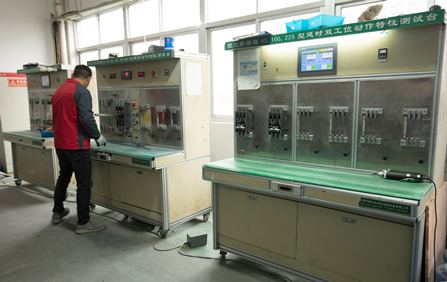
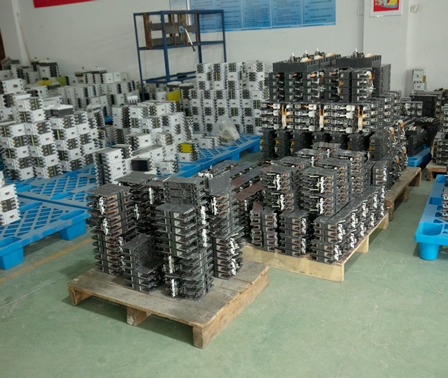
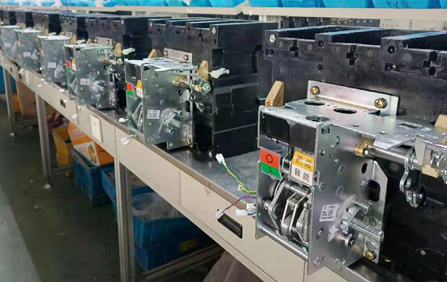
Our enterprise operations occupy a standardized state-of-the-art facility spanning more than 12,000 square meters. Equipped with 180 advanced manufacturing and automated testing units, our production lines achieve exceptional repeatability and reliability. Our quality assurance architecture utilizes Statistical Process Control (SPC) tools, tracking performance variations at critical key control points. From component inspection to dynamic operational testing, every single component is integrated into our end-to-end traceability database, allowing operators to trace raw material batches, production parameters, and final compliance checklists.
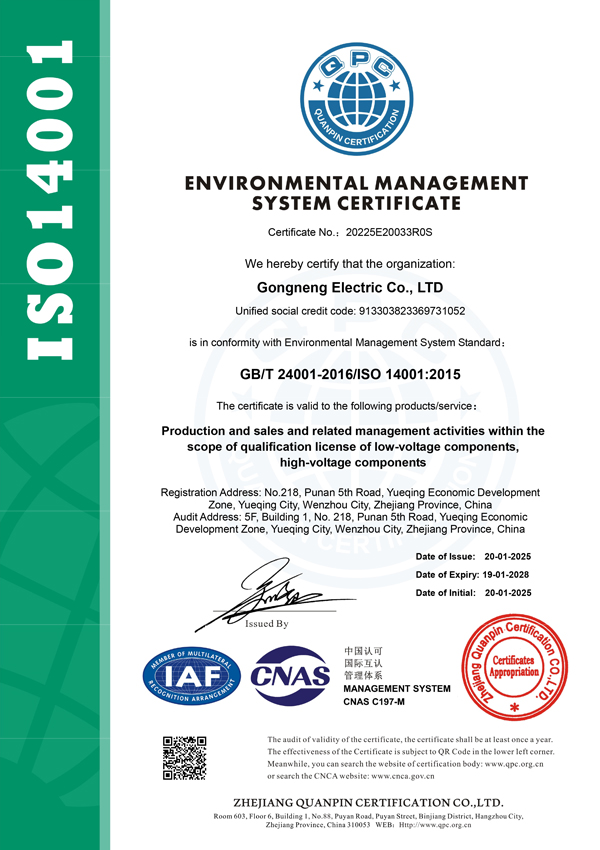
Igoye’s design and production systems comply fully with major international electrical standards, ensuring risk-free integration into global utility projects.
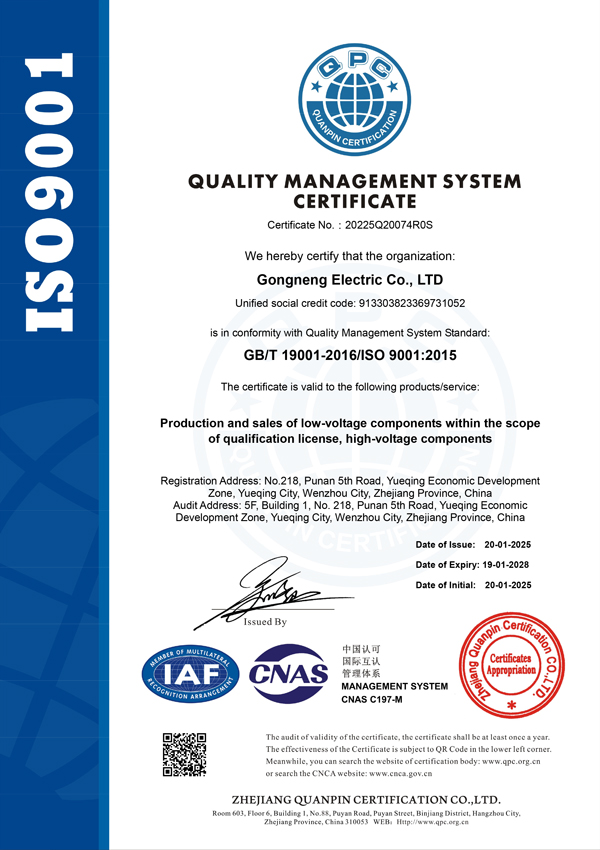
ISO9001 Management System
CE & TUV Type Testing
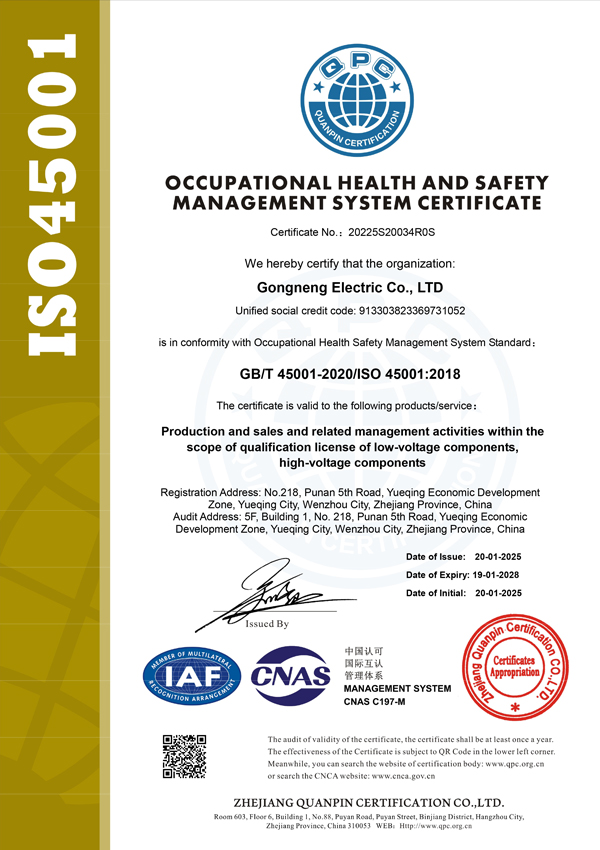
Utility Model Patents
To address diverse grid topologies, Igoye manufactures specialized equipment across five key product areas. We customize every component to meet regional insulation, voltage level, and short-circuit capacity requirements.
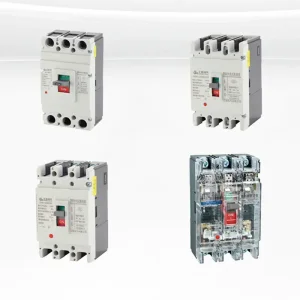
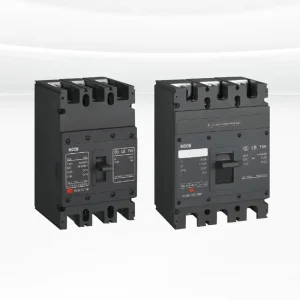
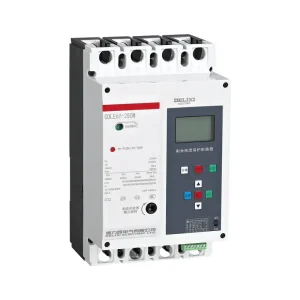
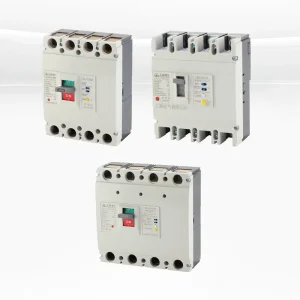
Includes high-current Air Circuit Breakers (ACB) and Molded Case Circuit Breakers (MCCB) built to manage primary distribution substations and industrial switchgear configurations.
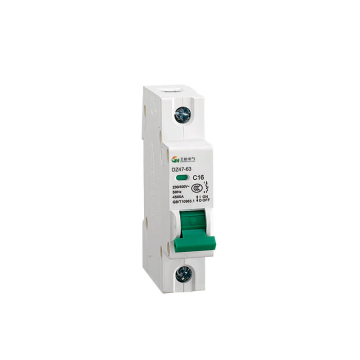
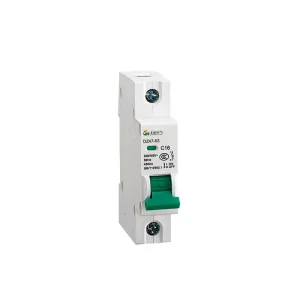
DZ47-63 Series MCB
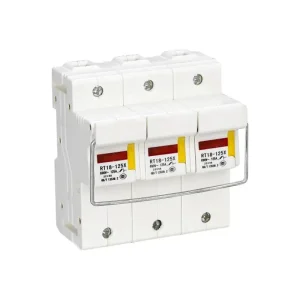
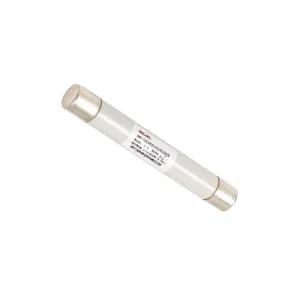
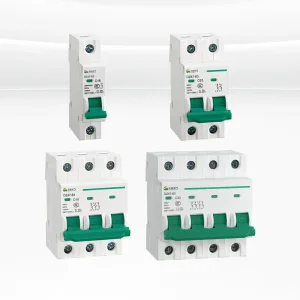
High-sensitivity miniature circuit breakers (MCB), residual current circuit breakers (RCCB), and cylindrical fuses providing safety at points of consumption.
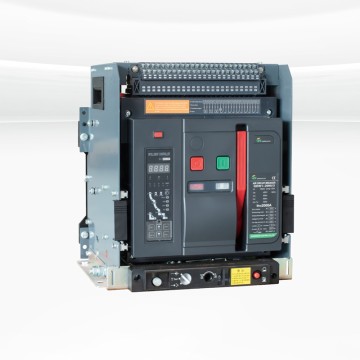
GNW1-1600 Universal ACB
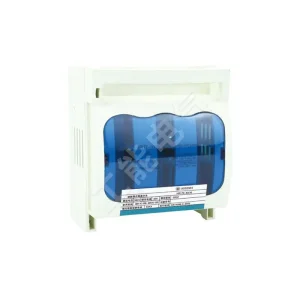
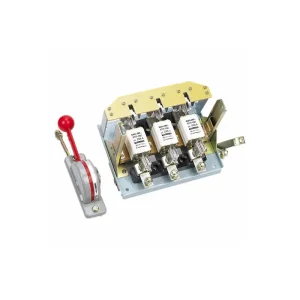
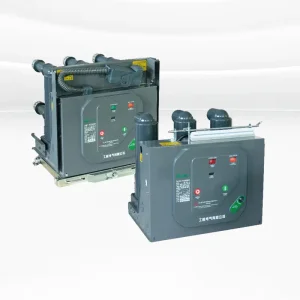
Standardized and customizable medium-to-low voltage control systems, featuring automated interlocking systems and switch disconnectors.
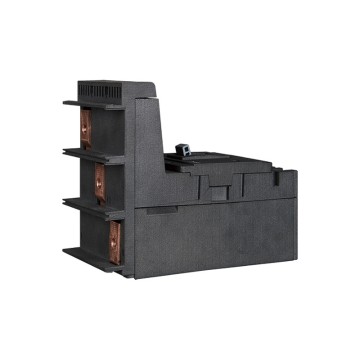
GNMNE Bus-type MCCB
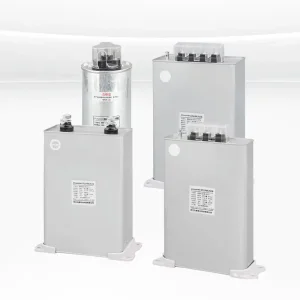
Self-healing low-voltage parallel capacitors designed for active power factor correction, harmonic filtering, and line loss reduction.
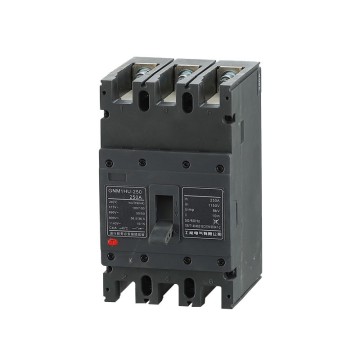
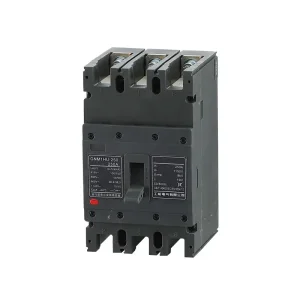
GNM1HU New Energy Molded Case
Heavy-duty AC contactors, electronic thermal relays, and intelligent switch combinations engineered to handle high startup currents and prevent motor overheating under unbalanced phases.
Every operational ecosystem faces unique grid quality challenges. Here is how Igoye's engineered low-voltage systems ensure uninterrupted production across global industrial sectors.
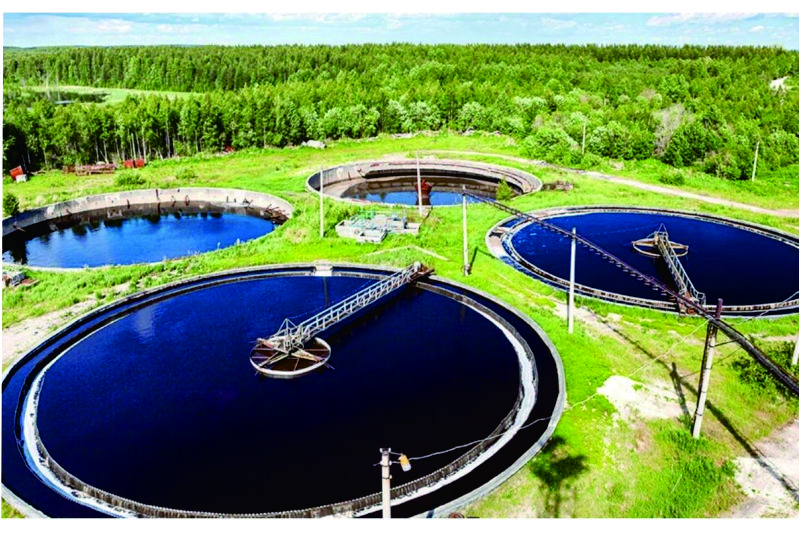
Pumping systems are highly vulnerable to voltage sags and line dropouts, leading to rapid phase degradation and motor burnout. We resolve this by integrating intelligent molded-case motor protection units that bypass starting peaks without compromising sensitive fault curves. Additionally, our ATS systems automatically transfer loads to local standby power during line faults.
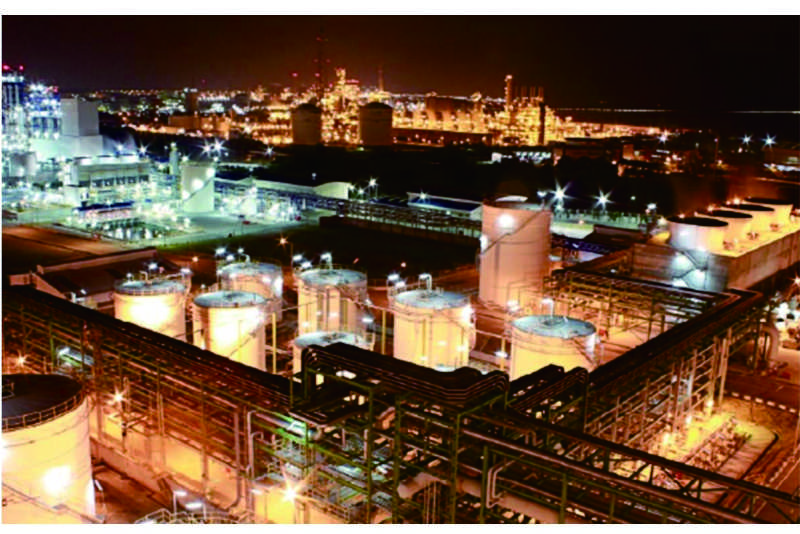
With corrosive atmospheres and volatile elements, petrochemical sites require highly reliable overcurrent protection. Our high-voltage current-limiting fuses and explosion-resistant switchboards are engineered to isolate faults within milliseconds, preventing spark generation and securing continuous refinement loops.
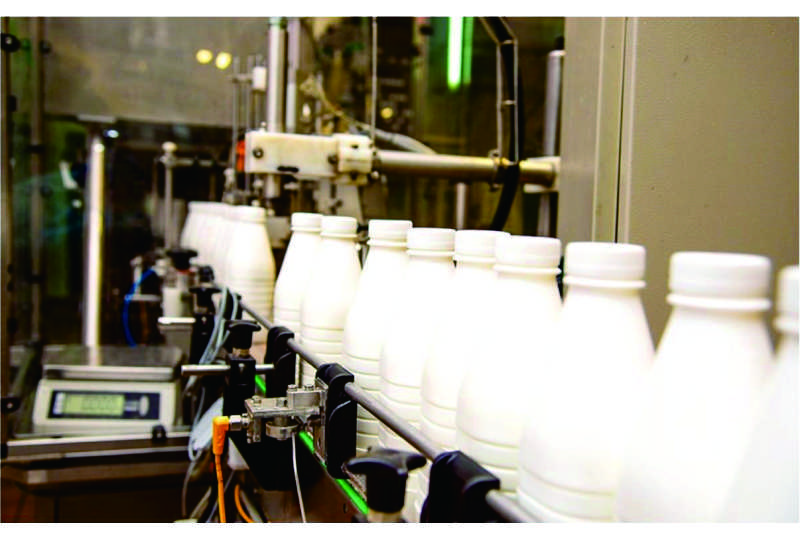
In mass consumer goods production, efficiency and real-time monitoring are critical. By deploying our smart ACB systems with integrated Modbus protocols, facility managers can monitor line current, power factor, and harmonic anomalies via PC and mobile terminals, allowing for predictive maintenance.

Commercial real estate demands both safety and environmental compliance. Our low-voltage switchgears are constructed from RoHS-certified raw materials, omitting heavy metals like cadmium and lead. Compact terminal distribution boards ensure silent operation and reliable protection in public buildings.
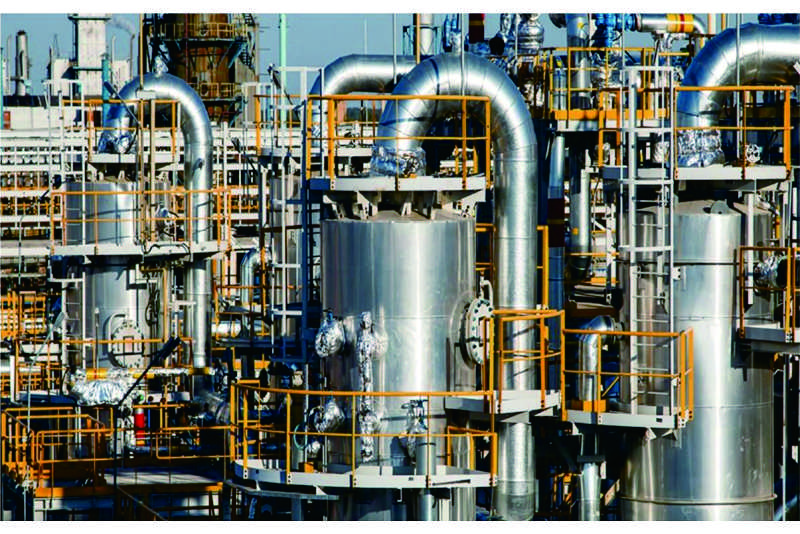
Chemical synthesis processes depend heavily on continuous heating and mixing. Any electrical interruption can solidify chemical mixtures inside pipelines. Our microcomputer protection panels monitor all electrical parameters, isolating faults selectively so that healthy plant sections remain operational.
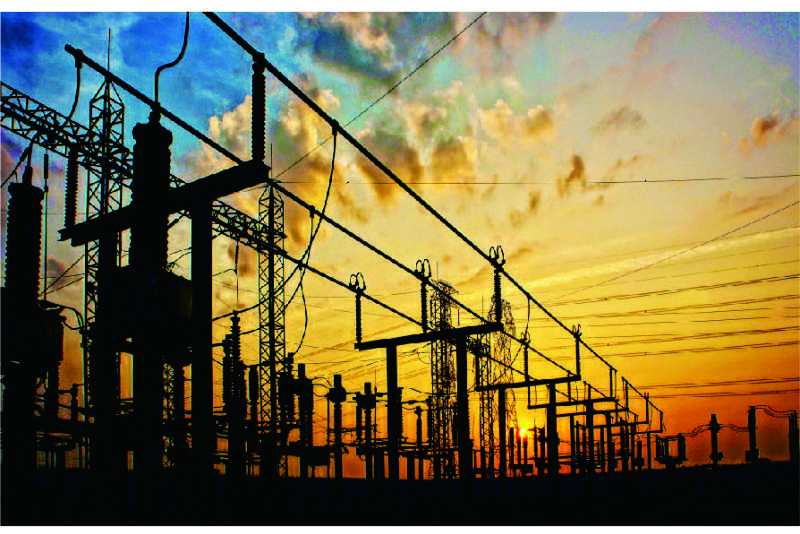
Utility scale grids require standardized switchgears to simplify system expansions and component replacement. Our cabinets align with the State Grid Corporation of China's standardization protocols, ensuring unified dimensions, busbar channels, and control interfaces.
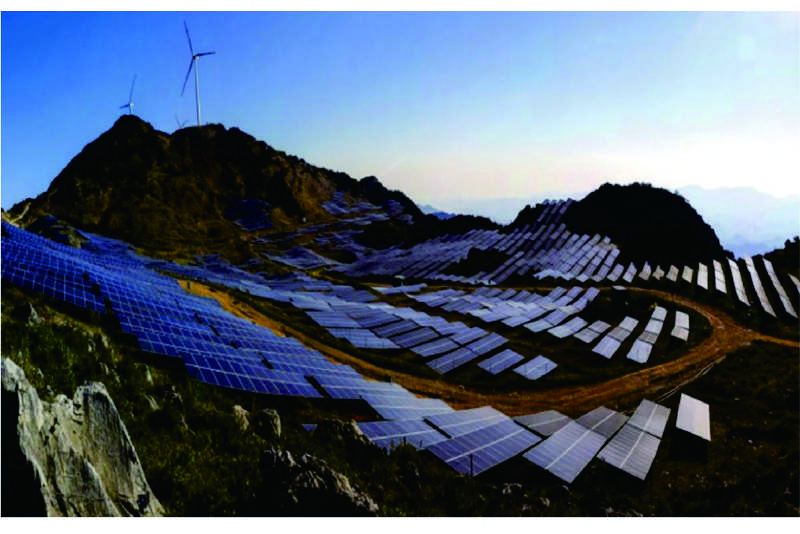
Solar generation operates with high-voltage DC arrays. Standard AC breakers are unsuitable for extinguishing DC arcs. Igoye has developed specialized DC molded-case circuit breakers and high-voltage fuses rated up to DC 1500V to protect solar combiner boxes and central inverters.
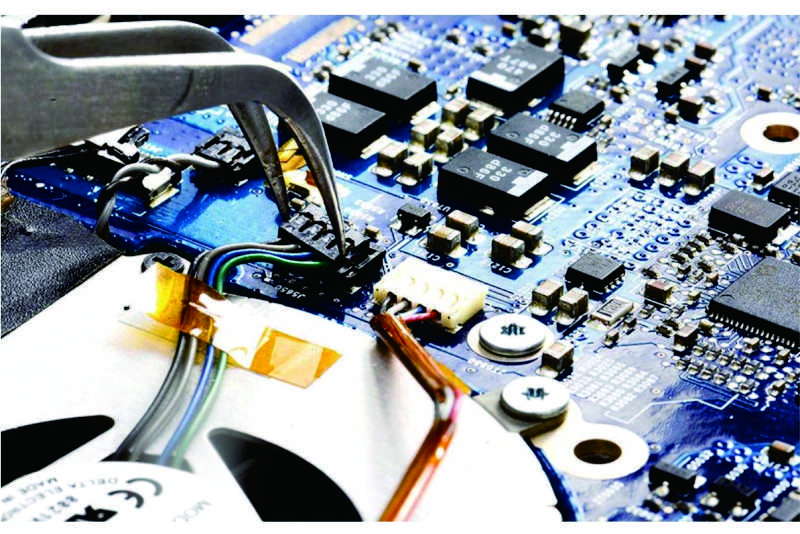
Semiconductor cleanrooms are sensitive to microscopic voltage fluctuations and static discharges. Our power management panels combine self-healing capacitors with reactive power compensators to stabilize local voltages, preventing voltage sags and protecting high-value silicon wafers.
The global reputation of Chinese factories for high-volume electrical manufacturing is backed by deep structural and supply chain advantages. In Yueqing, the electrical industry has developed a highly concentrated ecosystem over several decades. Rather than operating as isolated manufacturing units, factories are supported by specialized local sub-suppliers, tooling centers, thermal treating facilities, and testing labs. This high concentration minimizes transportation costs and dramatically reduces raw material lead times.
Zhejiang Igoye Energy Technology Co., Ltd. leverages these advantages to offer a highly competitive ODM service. Our engineering team converts concept designs into functional prototypes in a fraction of the time required by Western manufacturers. By integrating automated stamping, robot-assisted silver welding, and automated calibration benches in-house, we eliminate manual variations in critical spring mechanisms and contact gaps. The result is a robust production model that balances cost-efficiency with high technical precision.
Additionally, the proximity to major ports like Ningbo and Shanghai enables efficient global logistics. Whether delivering standardized bulk containers of miniature circuit breakers to European markets or dispatching custom-designed medium-voltage fuses for South American substations, our supply chain ensures timely delivery and compliance with international transport standards.
When global sourcing directors and electrical engineers evaluate ODM suppliers for power backup and protection components, they focus on key performance indicators to manage risk:
All components must hold recognized testing certifications (e.g., CE, TUV, UL, CCC) and comply with RoHS and REACH standards to meet strict international environmental regulations.
Breakers must reliably clear short-circuits under extreme conditions. The contact alloy composition and arc-chute design must withstand repeated interruptions without degradation.
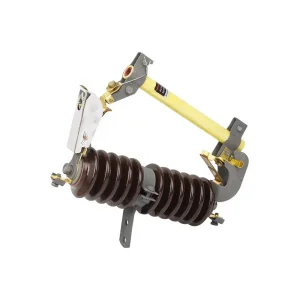
Products deployed in outdoor applications—such as solar installations or drop-out fuses on rural grids—must withstand UV degradation, extreme temperature shifts, and heavy moisture.
Industrial operations require complete manufacturing traceability. Suppliers must provide serialized testing logs, component certificates, and SPC records for every batch.
We provide customization for critical operational parameters, including rated current (In), ultimate short-circuit breaking capacity (Icu), trip curves (B, C, D curves for MCBs), auxiliary contact configurations, coil operational voltages, and enclosure materials. Additionally, we print custom laser-etched branding and supply tailored mounting plates to fit specific enclosure shapes.
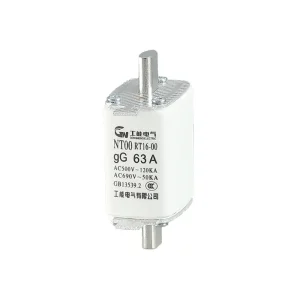
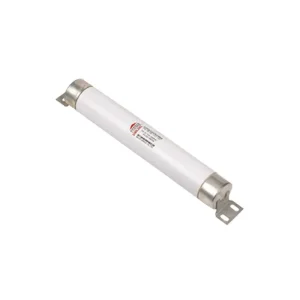
Each batch of high-voltage current-limiting fuses (such as our XRNT1 and XRNP1 series) undergoes rigorous dielectric, resistance, and time-current characteristic validation. We operate high-current test generators in our 12,000 m² facility, simulating overload and short-circuit conditions. This ensures the fuse element melts exactly within the engineered parameters, protecting valuable transformers and line segments.
Yes. Our new series of distribution products meet the EU RoHS directive. We avoid using hazardous substances, including benzene, cadmium, lead, mercury, and polybrominated biphenyls. Choosing our breakers and terminal blocks helps commercial facilities secure LEED or local green building certifications.
We streamline lead times through two main processes: local raw material sourcing within Yueqing’s electrical industrial hub and automated manufacturing in our facility. Our design teams use standardized product bases, allowing them to rapidly adapt dimensions or add custom modules. This reduces time-to-market compared to traditional manufacturing processes.
 Igoye Energy