In the rapidly changing landscape of global electrification, infrastructure safety, and clean energy transition, the Miniature Circuit Breaker (MCB) has evolved from a basic protection device to a crucial component of smart power distribution networks. These compact electro-mechanical switches protect wiring systems, industrial equipment, and terminal household networks from dangerous overcurrents and short-circuit faults. Selecting the right MCB technology is vital for building operators, system developers, and engineering managers globally. It is key to preventing catastrophic thermal overloads and equipment downtime.
To meet these demands, global buyers increasingly rely on specialized partners who understand modern electrical designs. A reputable China MCB Miniature Circuit Breaker supplier & suppliers network provides the essential resources to build reliable systems. This partnership goes beyond cost efficiency. It delivers significant value through production scale, raw materials expertise, and adherence to international quality standards such as IEC/EN 60898-1 and IEC 60947-2.
Selecting an MCB involves more than matching basic current ratings. It requires analyzing technical parameters under real-world conditions. Factors like contact resistance stability, mechanical endurance (often exceeding 20,000 operations), and heat dissipation in multi-pole configurations directly determine the lifespan of your system. In this white paper, we examine the technical standards, factory capabilities, and application scenarios that define the state-of-the-art in MCB manufacturing.
Enterprise-scale B2B procurement professionals must analyze key performance criteria to ensure safety and long-term reliability. A standard data sheet cannot substitute for a deep understanding of operational conditions. The table below highlights the critical technical metrics that engineering teams evaluate:
The rated short-circuit breaking capacity (Icn) defines the maximum fault current an MCB can safely interrupt without catastrophic failure. For commercial and heavy industrial applications, ratings of 6kA, 10kA, or even 15kA are standard. The service breaking capacity (Ics) represents the level at which the device can remain operational after interrupting a fault, indicating its overall robustness.
Different loads require specific instantaneous tripping curves. Type B curves trip at 3-5 times the rated current (In), ideal for resistive loads. Type C curves trip at 5-10 times In, standard for inductive loads like lighting and motors. Type D curves trip at 10-20 times In, designed for high-inrush currents such as transformers and heavy machinery.
Reliability depends on high-quality materials. Key requirements include high-grade flame-retardant polyamide housing (complying with UL94 V-0), silver-alloy contacts for low contact resistance, and advanced arc-chute designs that quickly extinguish electrical arcs during high-fault events.
Environmental factors also impact performance. Extreme operating temperatures, high humidity, and marine environments require de-rating corrections and specific enclosure designs. Leading Chinese suppliers help engineer specialized modifications to ensure devices maintain their performance characteristics in challenging environments.
The production of electrical components has shifted from manual assembly to advanced automated manufacturing. Modern Chinese factories feature high precision, rapid scalability, and reliable quality control. Leading this transition, Zhejiang Igoye Energy Technology Co., Ltd. serves as a reliable manufacturing partner, delivering advanced technology and robust quality assurance to global clients.
Based in the Economic Development Zone of Yueqing City, Zhejiang Province—the electrical capital of China—our facility has convenient logistics access, situated near Qili Harbor, Yueqing Bay, and the Liubai Economic Circle. This strategic location optimizes lead times and shipping routes for global distribution.
Our manufacturing processes integrate advanced technology with strict quality control. Through automated calibration, Statistical Process Control (SPC), and complete components traceability, we guarantee that every MCB, RCCB, and isolation switch complies with international safety and performance standards.
Standard electrical components must often be adapted for specific industrial environments. Modern power distribution requires customized engineering solutions that address unique operational challenges. Below is an overview of how we implement low-voltage safety solutions across various industries:
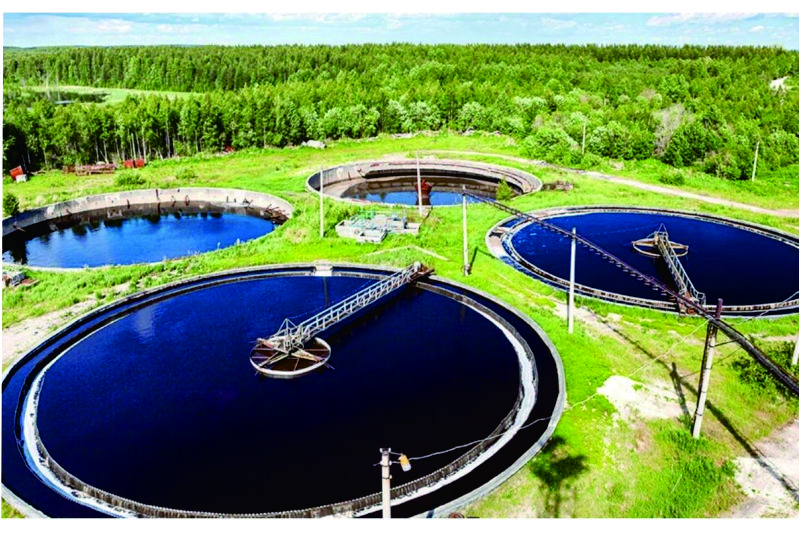
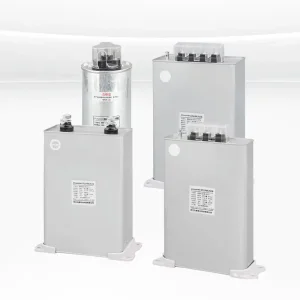
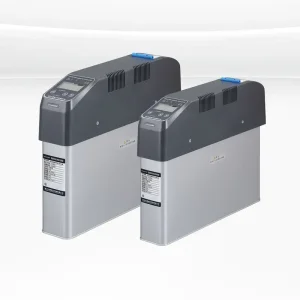
We provide specialized motor protection and power distribution configurations designed to prevent pump failures and tripping during startup. Dual power transfer systems ensure continuous operation, while smart capacitors optimize energy efficiency.
Explore Water Solutions →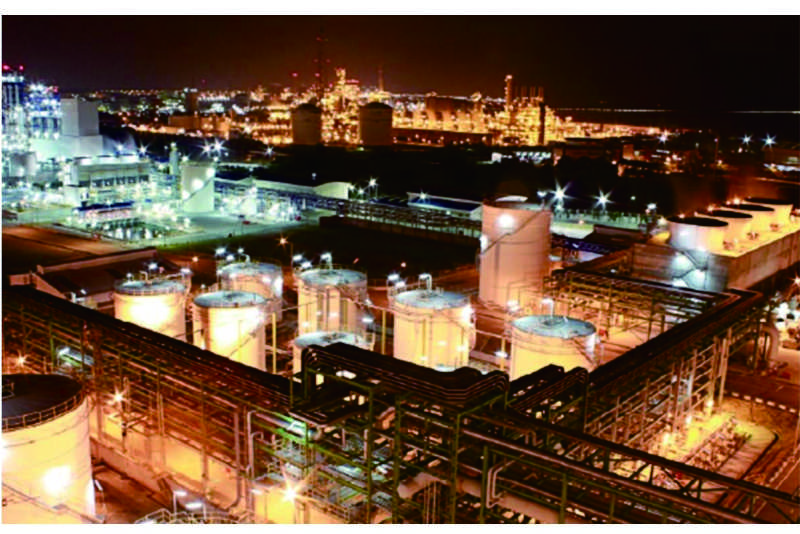
Petrochemical sites demand robust protection devices that can withstand harsh, corrosive environments and high transient loads. We deliver ruggedized, high-capacity circuit breakers to ensure process safety and prevent unplanned shutdowns.
Explore Chemical Systems →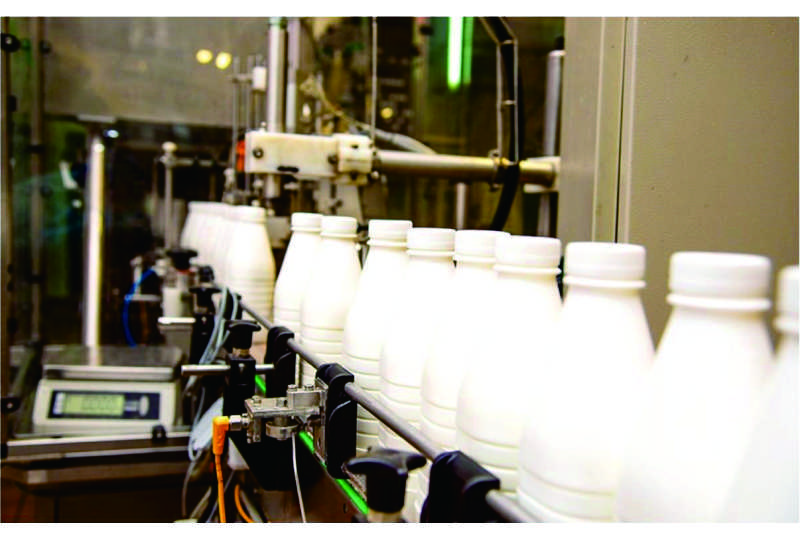
For FMCG, textiles, and packaging machinery, our intelligent distribution lines enable real-time current monitoring. These systems prevent overloads and interface directly with smart control panels to reduce operational downtime.
Explore Factory Automation →
Our commercial distribution systems use eco-friendly materials that comply with RoHS certifications. We supply compact MCBs, RCCBs, and ATS switches designed to provide safe, reliable, and energy-efficient power for modern commercial facilities.
Explore Commercial Options →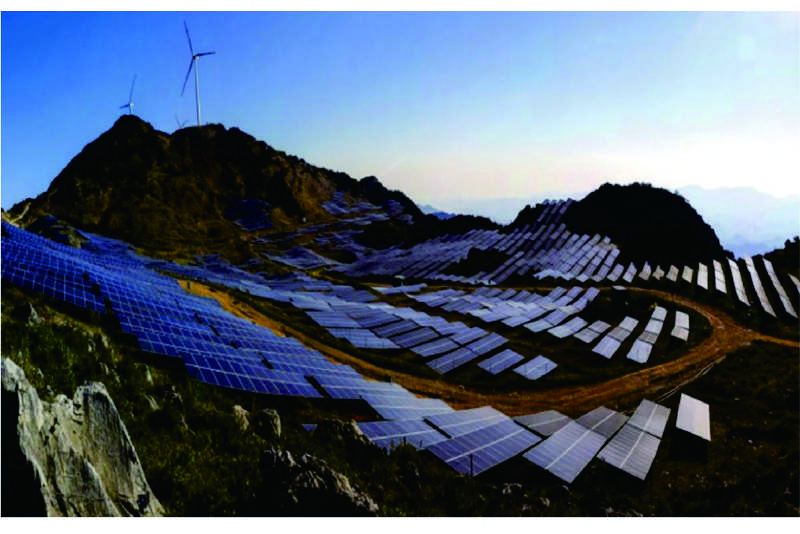
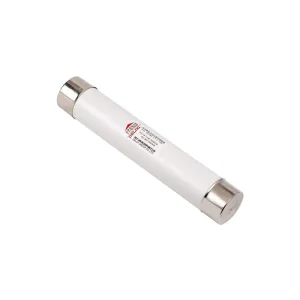
Renewable energy generation requires specialized protection equipment. We design DC Molded Case Circuit Breakers (MCCBs) and high-voltage protection systems engineered to handle the load characteristics of modern solar PV projects.
Explore Solar PV Range →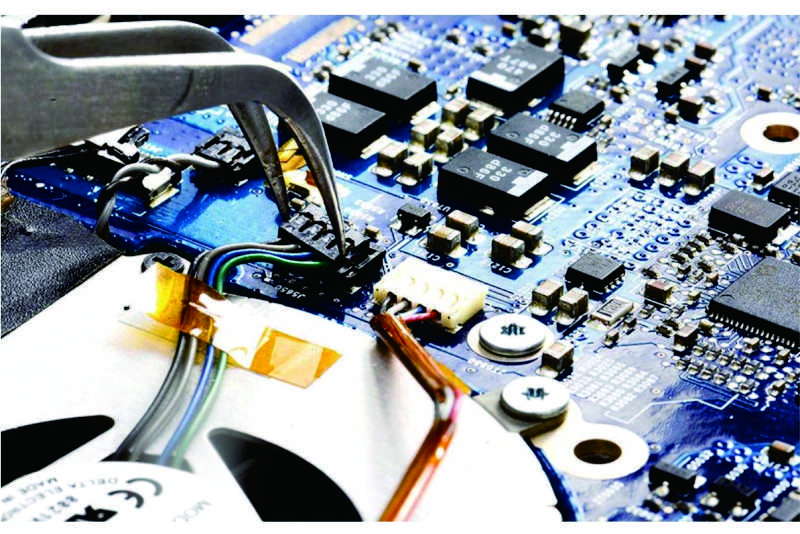
Precision manufacturing processes require highly stable power quality. Our fast-acting protection devices guard sensitive assembly lines against voltage fluctuations, transient spikes, and electrostatic discharges.
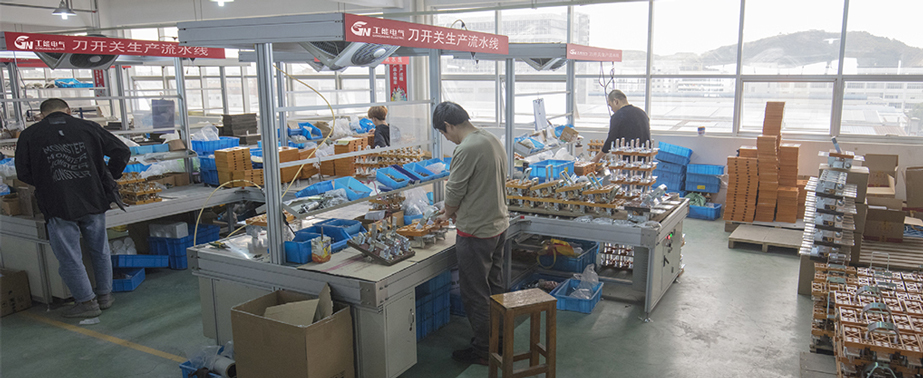
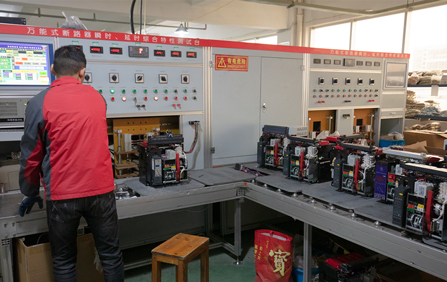
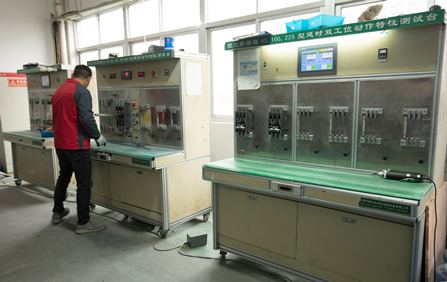
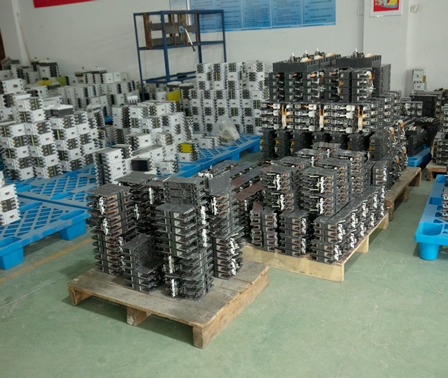
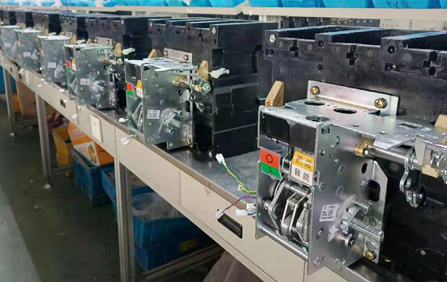
Explore Electronics Care →We maintain a clean and orderly production floor to ensure safety and precision. Automated calibration machinery and dedicated inspection areas help optimize workflow efficiency and maintain high manufacturing standards.
In global B2B electrical distribution, compliance is non-negotiable. Our engineering and production cycles adhere to strict industry regulations, ensuring safety and performance at every stage of development.
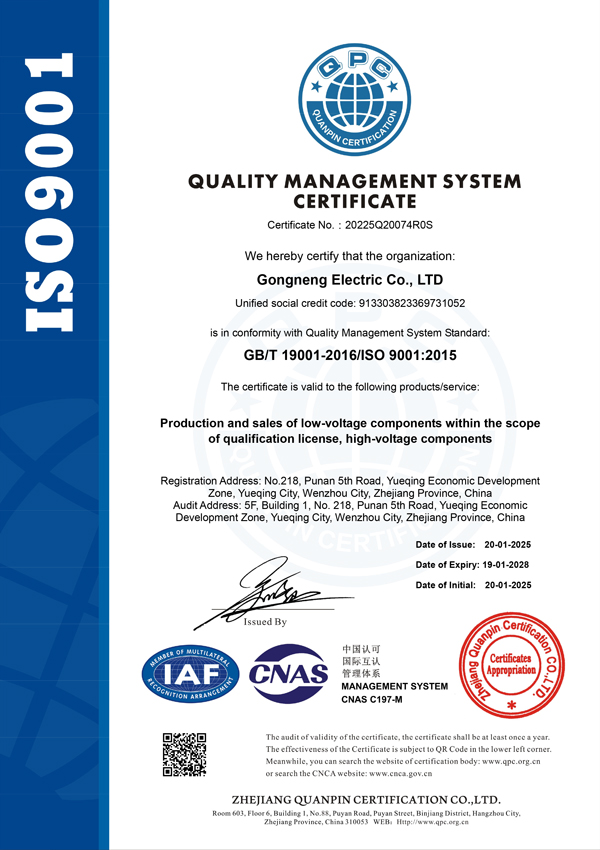
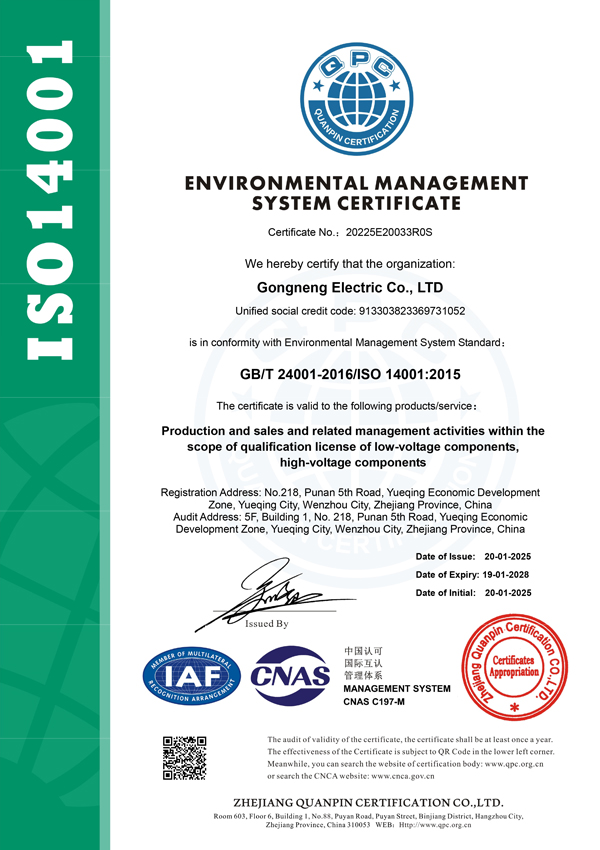
Every circuit breaker model undergoes rigorous type testing, checking mechanical lifetime, electrical durability, and short-circuit performance. Using SPC tools helps us monitor critical parameters like tripping margins, ensuring consistent quality and performance across production batches.
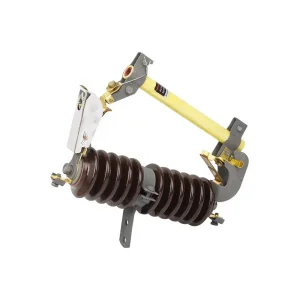
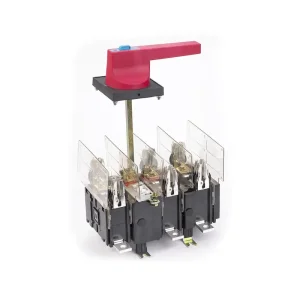
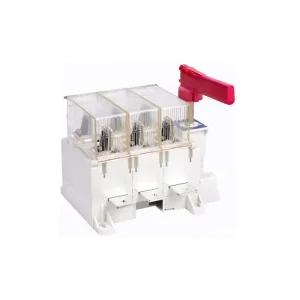
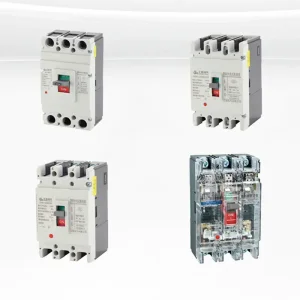
Zhejiang Igoye Energy Technology provides a comprehensive selection of low-voltage and high-voltage electrical components designed for modern industrial applications:
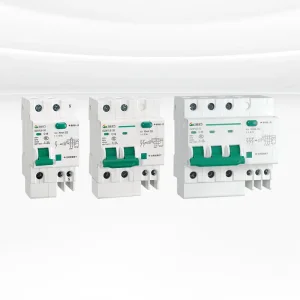
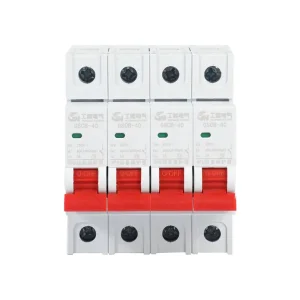
Engineered for residential and light-commercial distribution boards. Offers reliable overcurrent and short-circuit protection, supporting rated currents up to 63A and breaking capacities up to 6kA.
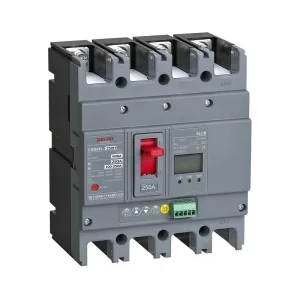
An intelligent air circuit breaker for high-amperage mains power distribution, handling current ratings up to 1600A and higher. Features digital control panels for selective overcurrent protection.
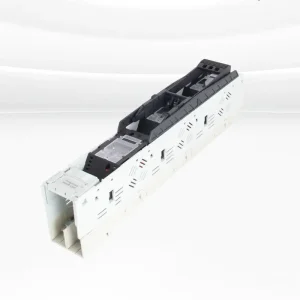
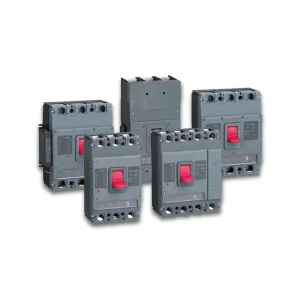
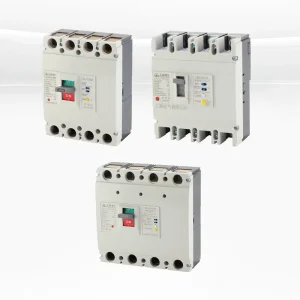
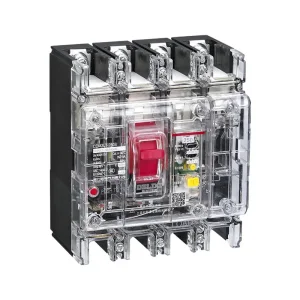
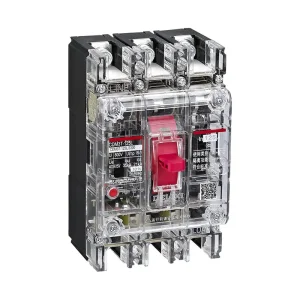
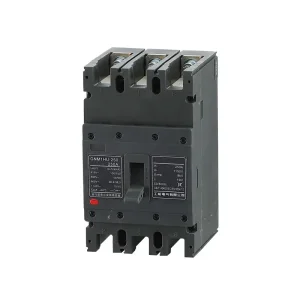
Designed for space-saving panel installations, this molded case circuit breaker uses a specialized bus-bar connection to simplify wiring and reduce installation labor.
Below are technical answers to common questions asked by B2B sourcing managers, electrical contractors, and distribution network engineers.
 Igoye Energy