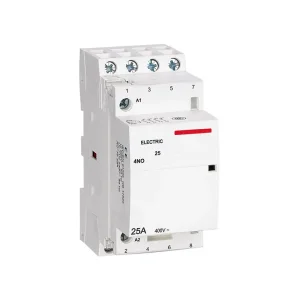
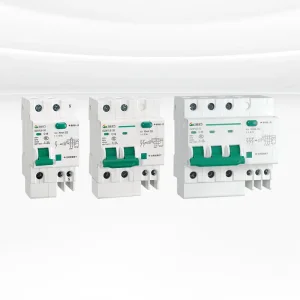
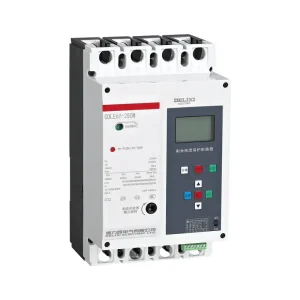
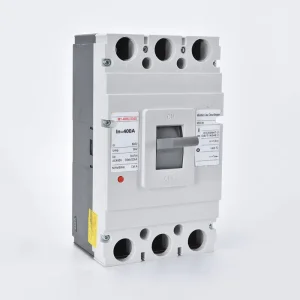
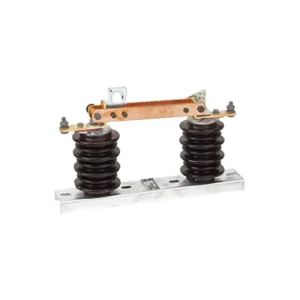
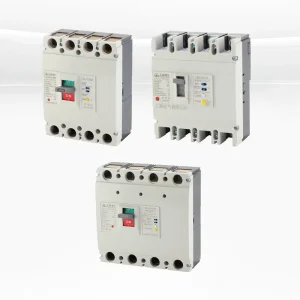
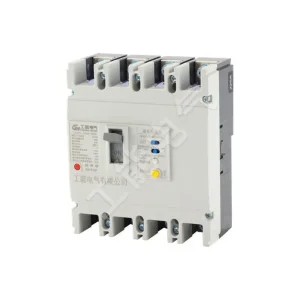
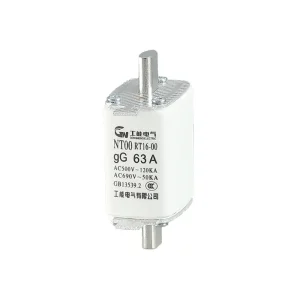
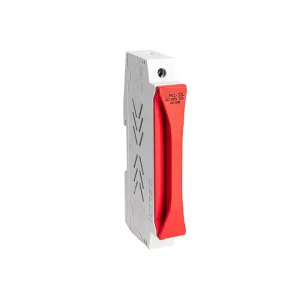
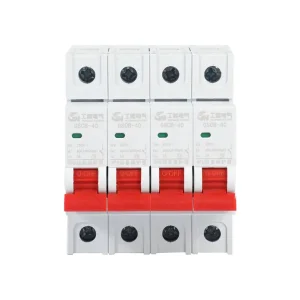
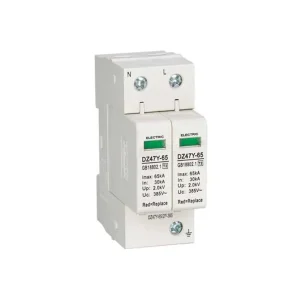
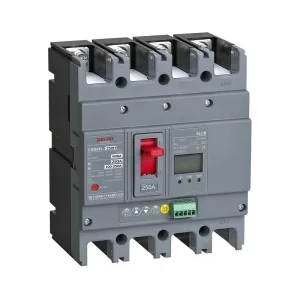
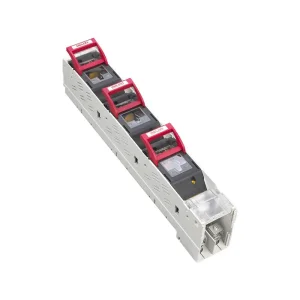
Explore our precision-engineered high voltage, current limiting, and residual current circuit breakers designed for global power systems.
Located in the premier Economic Development Zone of Yueqing City, Zhejiang Province—widely recognized as the "Electrical Capital of China"—Zhejiang Igoye Energy Technology Co., Ltd. sits at a strategic logistical intersection. With Qili Harbor to the south, Yueqing Bay to the east, Yueqing City Center to the north, and the Liubai Economic Circle to the west, we leverage a world-class manufacturing cluster.
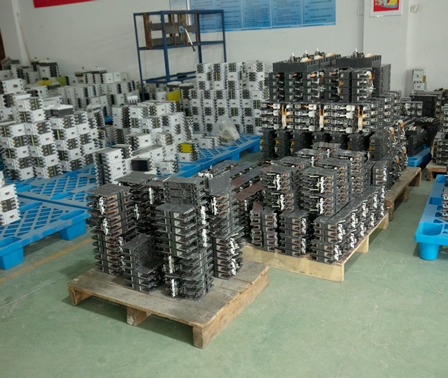
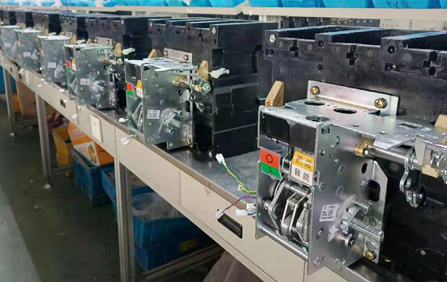
We specialize in the research, development, and mass production of advanced low-voltage electrical protection apparatus, specifically prioritizing Arc Fault Circuit Breakers (AFCI) and Arc Fault Detection Devices (AFDD). Our standard manufacturing facility spans over 12,000 square meters, utilizing a fully integrated quality management system. Armed with 180 units of state-of-the-art testing and production machinery, we employ statistical process control (SPC) tools to enforce rigorous quality limits on incoming materials, core assembly stages, and final functional verification.
Providing the industry knowledge gain required to understand circuit detection technology under UL 1699 and IEC 62606 standards.
In low-voltage electrical distribution networks, conventional protective devices such as Moulded Case Circuit Breakers (MCCBs), Miniature Circuit Breakers (MCBs), and Residual Current Devices (RCDs/RCCBs) do not offer adequate protection against low-energy arc faults. While an MCB protects against thermal overloads and magnetic short circuits, and an RCD protects against ground currents, neither can detect high-frequency, non-linear sputtering electrical currents that occur during series or parallel arc faults. It is this technological blind spot that an Arc Fault Circuit Breaker (AFCI) or Arc Fault Detection Device (AFDD) addresses.
An electrical arc occurs when current flows across an air gap or a carbonized path through compromised insulation. This can be caused by physical damage (cables pierced by nails, bent wires, or loose screw connections) or environmental degradation (humidity, UV degradation, thermal aging). Because the arc current is limited by the system's load impedance, the fault current rarely exceeds the magnetic trip threshold of an MCB. Over time, these localized micro-arcs release high thermal energy, leading directly to carbonization and catastrophic structure fires.
Zhejiang Igoye's ODM Arc Fault Circuit Breakers employ a highly specialized digital signal processing (DSP) microcontroller combined with an advanced waveform analysis algorithm. The device continuously monitors high-frequency spectral noise (typically in the MHz range) and checks for specific signatures of erratic behavior, current zero-crossing flat sections, and high-frequency harmonic anomalies. When these characteristics match the pre-configured threshold parameters of standard arc faults, the DSP triggers a micro-solenoid shunt trip within milliseconds, cutting off power before flame ignition occurs.
As a leading supplier, our manufacturing practices adhere to the stringent parameters outlined in global design compliance regulations:
Designed for North American markets, ensuring high-frequency spectrum analysis for parallel, series, and ground arc faults down to 5 amperes of fault current.
Specifies requirements for Arc Fault Detection Devices (AFDD) in European and international markets. The units are tested to perform correctly under severe harmonic distortion and masking test scenarios.
Incorporates smart digital algorithms to distinguish harmless operational arcs (such as those generated by brushed motors, vacuum cleaners, and light dimmers) from hazardous arcing.
Why choosing a localized Yueqing supplier like Zhejiang Igoye offers unparalleled supply chain value.
The Zhejiang electrical component ecosystem provides a hyper-dense supply chain cluster that cannot be replicated elsewhere. In Yueqing, the raw materials, copper contacts, bimetallic elements, high-grade engineering plastics, microchips, and terminal tooling factories are situated within a 15-kilometer radius. This proximity leads to immediate cost efficiencies and allows for rapid prototyping times.
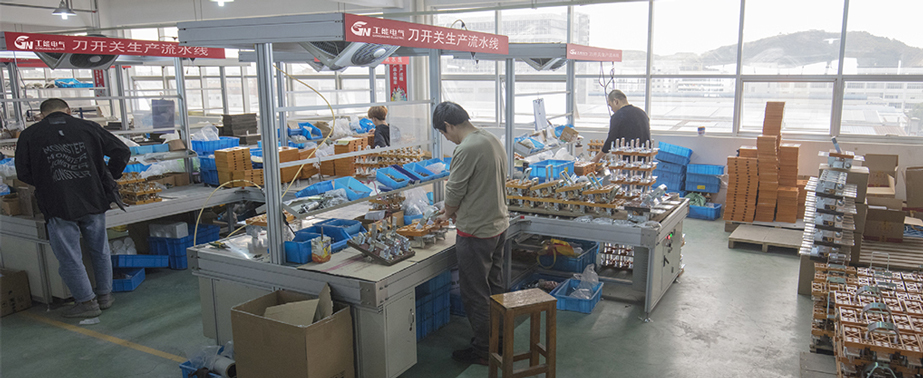
Robust operational infrastructure to ensure high yield rates and standard system certificates.
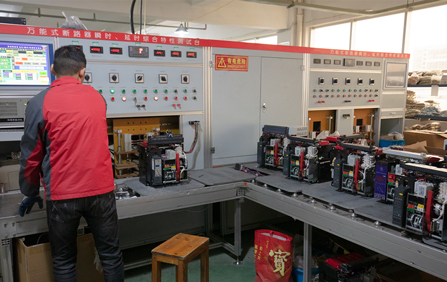
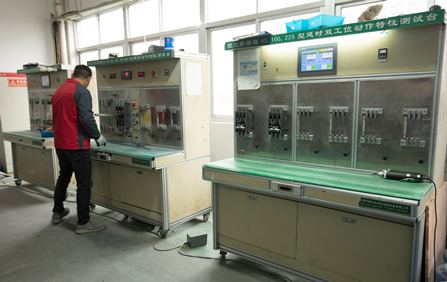
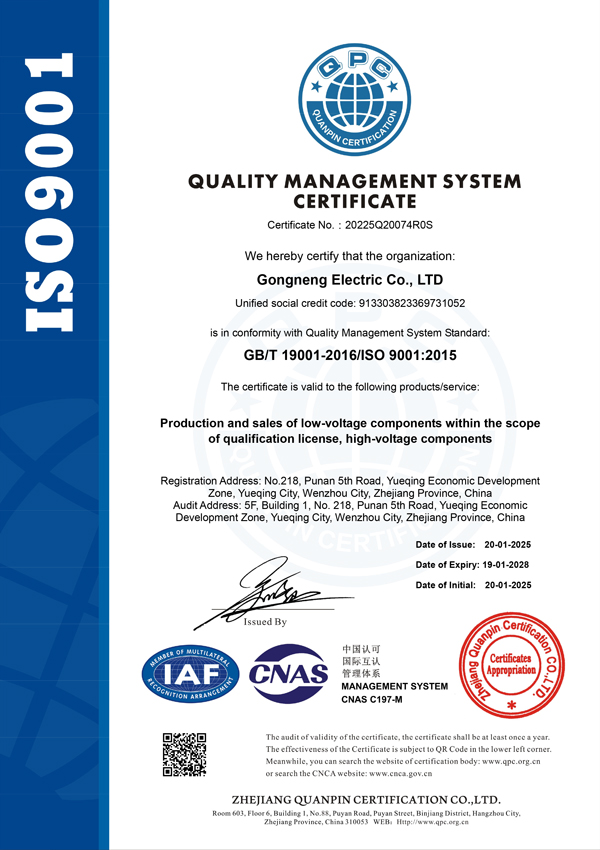
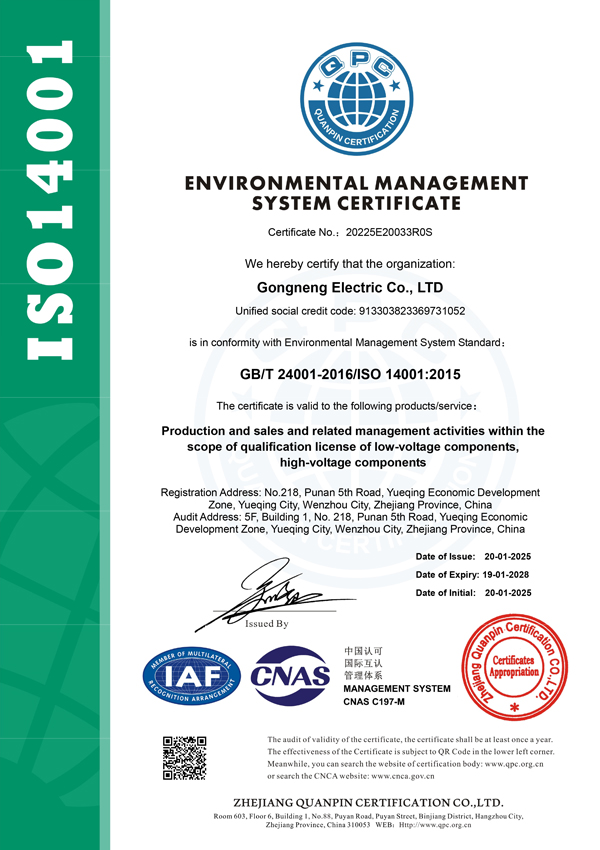
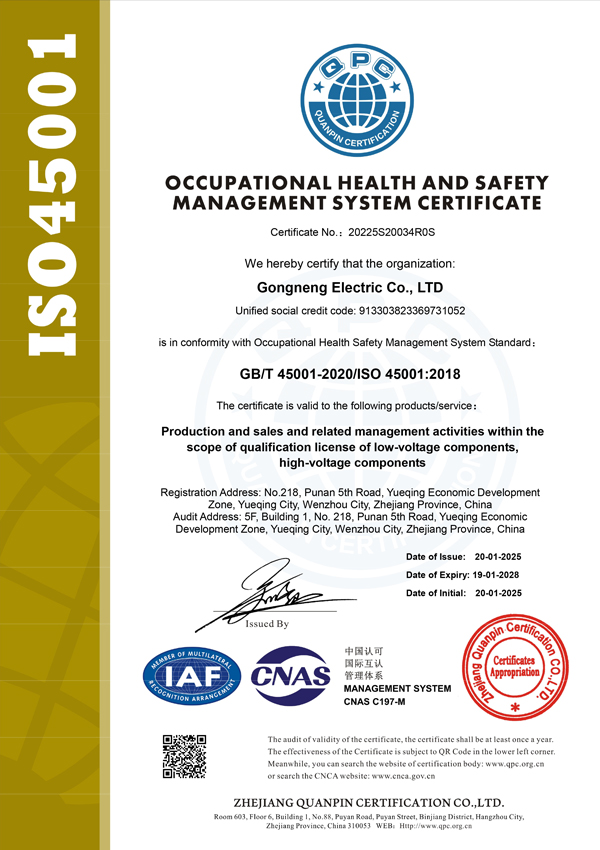
Our commitment to reliable protection has enabled us to achieve ISO 9001:2015 System Certification, CE Quality Certificates, Certificate of Honor, and numerous Patent Certificates for low-voltage switchgear design. These certifications serve as independent verification of our technical competence and processing capability for overseas distributors, utilities, and infrastructure developers.
Low-voltage distribution designs optimized for diverse, demanding environments.
Providing intelligent plastic shell motor protection units to prevent frequent tripping during motor start-ups. In the event of system interruptions, our automatic transfer switches shift load feeds to backup generators, while automated power factor correction capacitors minimize transformer losses.
High reliability switchgear configurations engineered to withstand corrosive environments. Provides robust short-circuit and overcurrent guarantees, preventing downtime in high-hazard refinery operations.
Ensures distribution continuity via universal circuit breakers and smart electronic plastic shells. Real-time data streams on electrical profiles can be monitored through PC dashboards or mobile apps to support comprehensive energy audits.
Delivers high-end terminal distribution products compliant with EU RoHS certifications (free of lead, cadmium, or mercury). System integrates ACBs, MCCBs, ATS units, and advanced AFCI devices to guarantee fire protection for high-occupancy guest buildings.
Addresses strict continuous-operation demands with microcomputer-based protective devices and automated shunt releases. This approach helps contain faults before hazardous atmosphere ignitions can occur.
Standardized physical design profiles simplify engineering expansion across low-voltage cabinet modules. This design guarantees mechanical interchangeability and reliability across regional municipal utilities.
Designed for modern utility-scale solar projects and rooftop microgrids. System limits array mismatch degradation and provides isolation protection on DC circuits up to 1500V.
Cleanroom distribution systems optimized to manage voltage transients, ESD events, and power harmonics. This design approach prevents process interruptions and protects precision assembly machines.
Key technical directives that electrical engineers and global procurement managers must monitor.
First-generation AFCIs analyzed frequency domains using simple, fixed threshold bandpass filters. In contrast, next-generation devices incorporate integrated deep learning microchips. By utilizing artificial neural networks (ANN) programmed directly into the DSP firmware, modern breakers analyze current signatures in real time. They compare the current waveform to database signatures of arcing events to eliminate nuisance tripping from variable speed pool pumps, complex dimming equipment, and household appliances.
Smart buildings require data down to the terminal node. Future AFCI designs integrate communication modules (such as Modbus, Zigbee, or Thread) to report voltage fluctuations, phase angles, and diagnostic error codes (e.g., distinguishing whether a trip was caused by an overload, a ground fault, or a series arc). These connectivity options allow facility managers to localize faults remotely, minimizing downtime.
The transition to green energy increases reliance on high-voltage DC distribution. Due to the lack of natural current zero-crossings in DC networks, arc faults are self-sustaining and difficult to extinguish. Consequently, demand for UL 1699B compliant DC arc detection devices in solar combiner boxes and EV battery charging stations is growing. Igoye continues to dedicate R&D resources to this sector, developing customized DC protection solutions.
In-depth technical clarifications for global electrical inspectors, engineering teams, and procurement personnel.
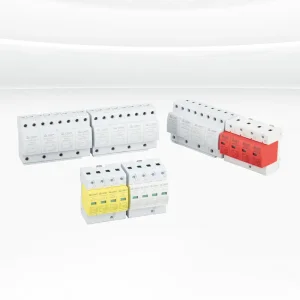
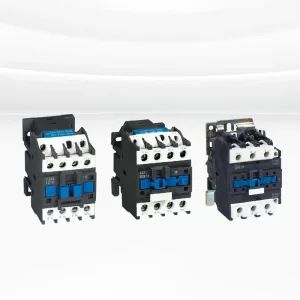
Explore our complete product catalog, featuring industrial surge protectors, contactors, switchgear, and safety fuses.
 Igoye Energy