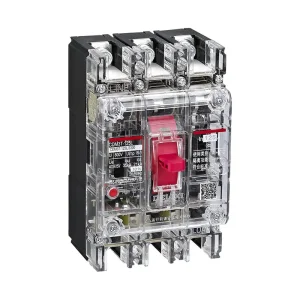
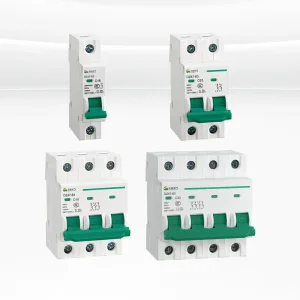
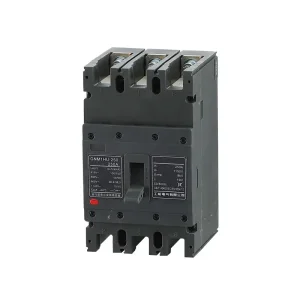
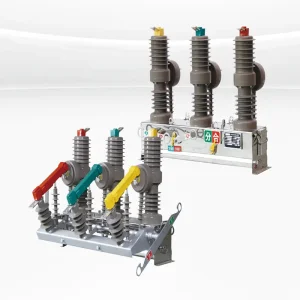
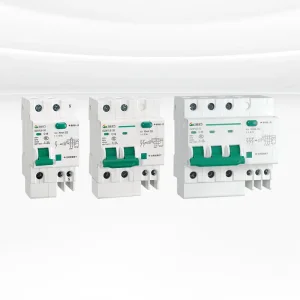
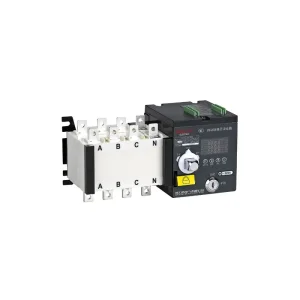
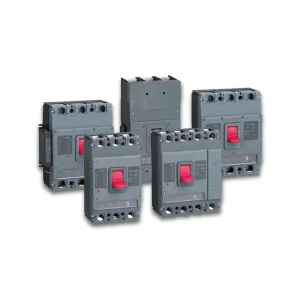
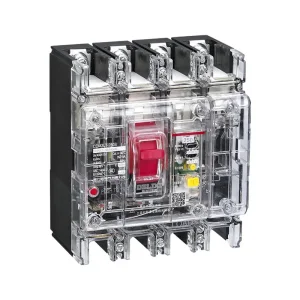
Explore our high-performance electrical distribution and switching lineup designed for seamless architectural integration.
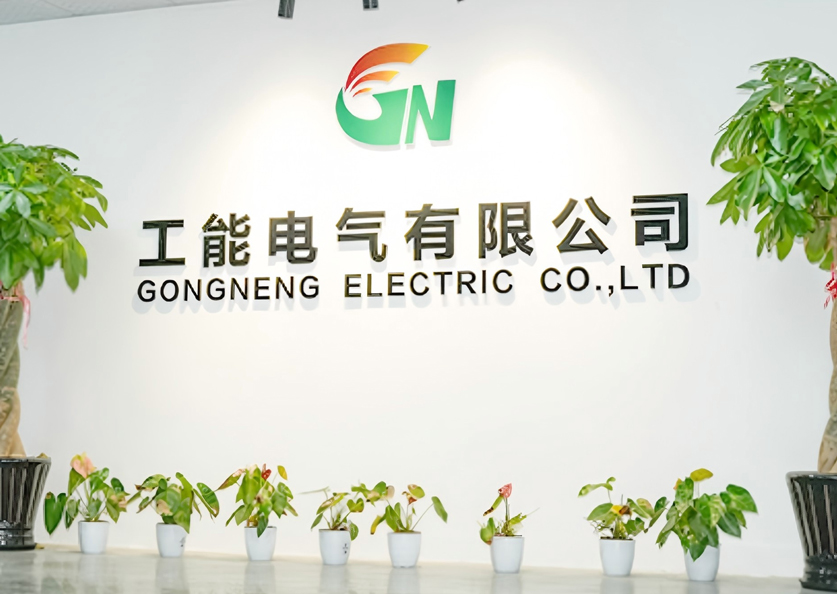
Zhejiang Igoye Energy Technology Co., Ltd. is strategically situated in the premium Economic Development Zone of Yueqing City, Zhejiang Province—highly regarded as the global epicentre of China's low-voltage electrical engineering cluster. Embraced by Qili Harbor in the south, Yueqing Bay in the east, and seamlessly connected to the Liubai economic corridor, our state-of-the-art facility stands at the crossroads of logistical efficiency and industrial innovation.
Over decades of specialized manufacturing, we have dedicated ourselves to the comprehensive R&D, structural engineering, and production of top-tier low-voltage electrical components. Our products serve as vital elements in power grids, infrastructure developments, commercial real estate, data complexes, and dynamic clean energy systems globally. Outfitted with advanced automatic tooling systems and complex testing frameworks, we guarantee exceptional reliability across every circuit breaker, transfer switch, and capacitor produced.
Square Meters Standard Factory
High-skilled Employees
Professional R&D Specialists
Advanced Production & Testing Units
The global shift toward high-reliability smart grids, distributed renewable energy generation (DER), and microgrids has transformed the performance requirements of contemporary Automatic Transfer Switches (ATS). Historically, transfer switches served as passive mechanical relays designed to transition power from a failing main grid source to a diesel backup system. In today's digital economy, an ATS is a dynamic, microprocessor-controlled terminal critical to preventing data dropouts, process failure, and equipment degradation in fractions of a cycle.
Modern electrical engineers segment these switches based on their design topologies: PC-Class switches, which utilize a simple solenoid-driven contact system lacking built-in overcurrent protection, and CB-Class switches, configured around molded case circuit breakers (MCCB) or air circuit breakers (ACB) that feature integral thermal-magnetic or electronic trip units. Selecting the correct class is vital for balancing system coordination, short-time withstand currents (Icw), and space constraints inside low-voltage switchboards.
Modern networks require extremely low transition times. Traditional open transition transfers can take anywhere from 30 to 100 milliseconds, introducing voltage sags that can cause sensitive programmable logic controllers (PLCs), variable frequency drives (VFDs), and medical diagnostic tools to fault. The industry is responding with advanced fast-acting solenoids, high-speed controller logic, and the integration of solid-state (SCR-based) switching mechanisms. This allows transition times to drop to near-zero levels. These smart switching topologies utilize zero-crossing synchronization algorithms, ensuring the phase relationship between the two live sources is perfectly matched before executing closed-transition transfers, preventing system damage and limiting peak switching transients.
For procurement directors, utility buyers, and Engineering, Procurement, and Construction (EPC) firms, selecting an OEM or ODM ATS partner involves assessing specific technical criteria. The primary evaluation factors include:
Zhejiang Igoye Energy Technology Co., Ltd. addresses these complex specifications through customized OEM/ODM engineering. Our engineers collaborate directly with global procurement teams to customize copper busbar paths, construct IP-rated external enclosures (from IP30 to IP65), and install custom microprocessor units supporting Modbus RTU, Ethernet, and Profibus protocols for SCADA integration.
We deploy specialized low-voltage assemblies and smart transfer mechanisms to ensure continuous, energy-efficient operations across major industrial sectors.
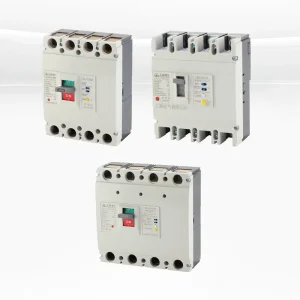
Water treatment facilities feature harsh environments and inductive pump motors. Dynamic torque changes during starting can lead to standard motor protection systems tripping. Igoye resolves this by providing MCCBs with customized trip settings. If a main grid fault occurs, our dual-power ATS systems execute a fast transition to the standby generator, maintaining continuous pumps operation. Integrated capacitors dynamically correct the power factor to protect machinery from reactive voltage strains.
Petrochemical processing requires extreme grid reliability and safety. Because these facilities carry high load volumes and operate in corrosive, volatile environments, any outage can compromise safety. Igoye provides heavy-duty distribution systems characterized by high short-circuit withstand parameters and robust isolation envelopes. This ensures that even during fault currents, hazardous zones remain isolated and critical cooling and instrumentation systems stay online.
Modern packaging, paper, and textile operations are increasingly automated. Our solutions integrate universal smart circuit breakers and communication-enabled electronic MCCBs. By linking smart components to centralized PC or mobile monitoring, facility managers can track power parameters in real-time, implement predictive maintenance schedules, and reduce unexpected down-time.
Commercial and hospitality complexes require environmentally friendly, silent, and highly reliable power switching. Igoye's high-end distribution systems feature RoHS-compliant materials that are free from lead, mercury, and cadmium. Our compact ATS installations fit neatly into central electrical rooms, facilitating quiet, automatic transfers to backup generators while MCCB clusters protect electrical networks.
Continuous chemical processing relies on uninterrupted power to maintain stable reactions. A voltage drop can ruin production batches or create safety hazards. Igoye designs chemical-grade electrical systems using computerized protection relays. By continuously analyzing system parameters, our switches transfer power rapidly, helping protect facility safety and production continuity.
The standardization of low-voltage switchboards is crucial for modern grid integration. To simplify expansion and maintenance, State Grid organizations require standardized dimensions, busbar runs, and contact spacing. Igoye matches these needs with modular low-voltage cabinets that allow regional maintenance teams to easily replace, upgrade, or service components.
Solar energy systems require components that can withstand high DC voltages and unique load profiles. Igoye provides specialized high-voltage circuit breakers (GNM1HU/GNM1DC series) designed for PV systems up to DC 1500V. These breakers protect inverters and battery arrays from reverse-current and short-circuit faults, helping ensure clean energy arrays run safely.
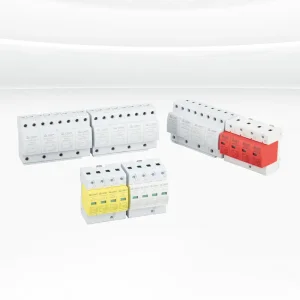
Micro-electronics production requires extremely clean power. A single voltage sag or harmonic disturbance can ruin silicon wafers. Igoye's systems use targeted surge protection devices (SPDs) and low-impedance switching contactors. By combining fast ATS transition logic with active power factor correction, we help semiconductor facilities avoid costly power disturbances.
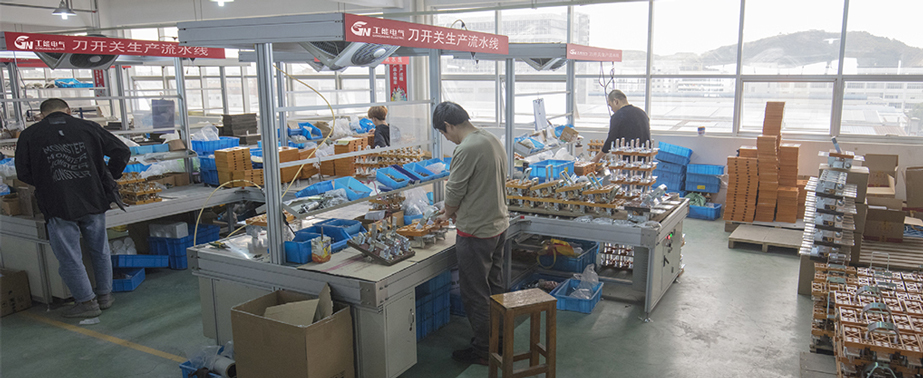
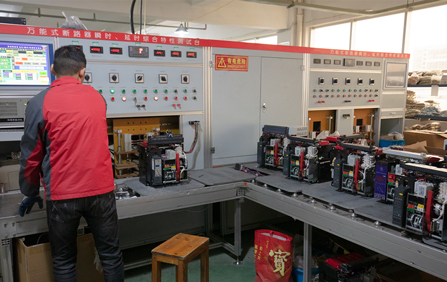
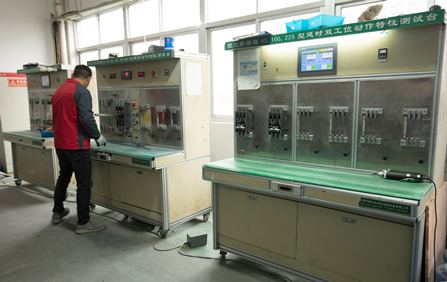
Our commitment to reliable low-voltage engineering is supported by a comprehensive quality assurance framework. Zhejiang Igoye Energy Technology Co., Ltd. operates a 12,000 square meter standardized workshop utilizing 180 advanced production and testing machines. We place quality control points at every key stage of production, using Statistical Process Control (SPC) tools to monitor consistency and identify potential defects before assembly.
We maintain a rigorous process traceability system. Every component, from incoming copper alloys and molded shells to final electronics and contact assemblies, is logged and associated with a production date and key performance parameters. This allows for full traceability over the lifecycle of the product, providing international buyers with clear quality records.
Explore our state-of-the-art manufacturing floors and assembly lines in Yueqing City.
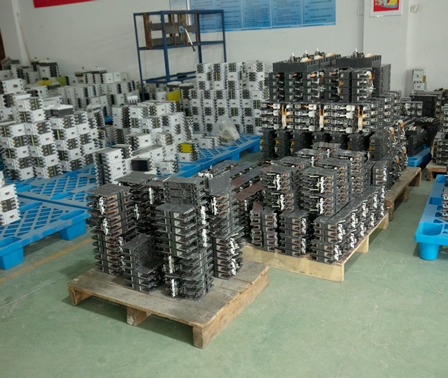
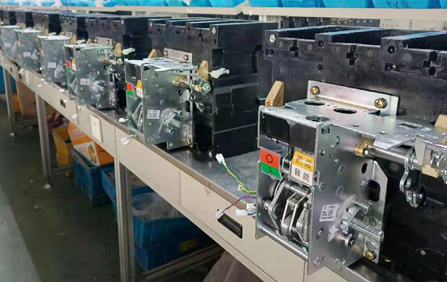
Our compliance with ISO9001 standards and various regional safety directives ensures smooth entry into global markets.
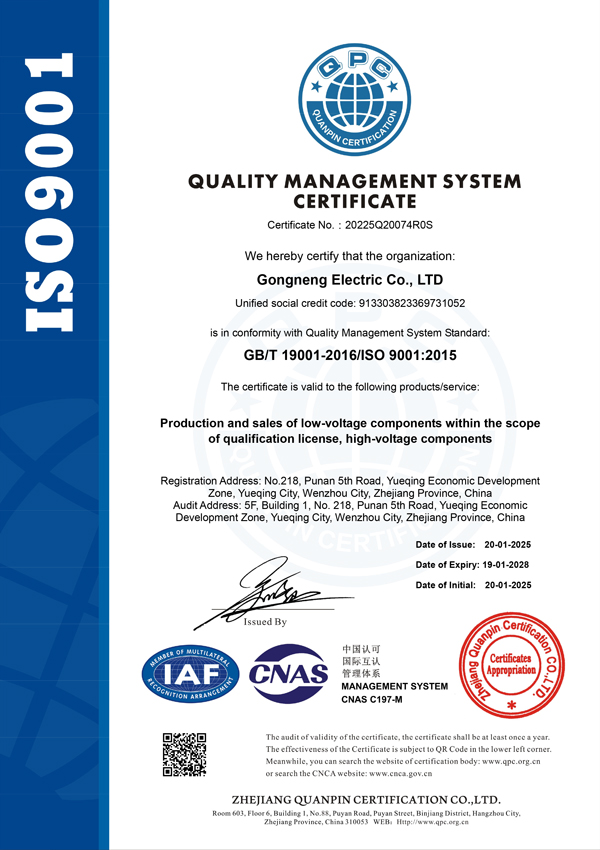
System & Quality Management
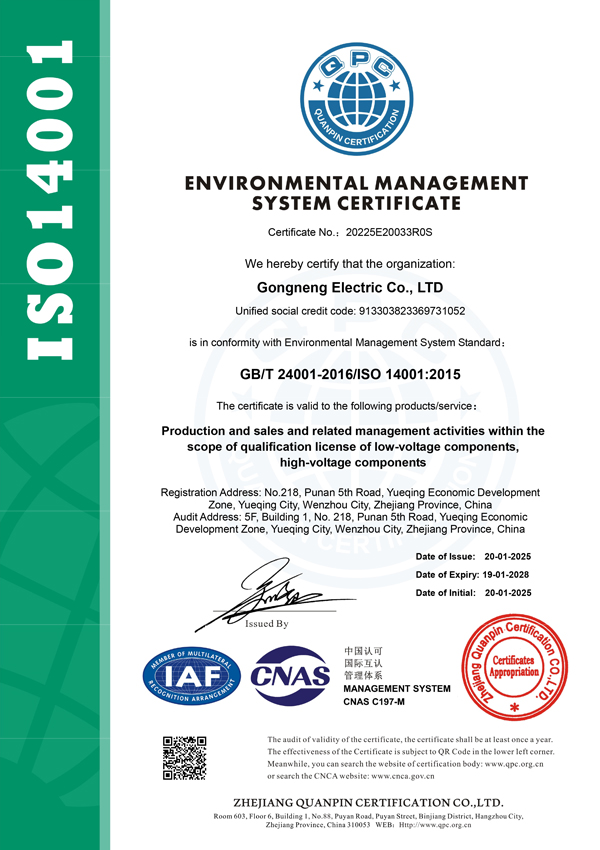
Safety Conformity Document
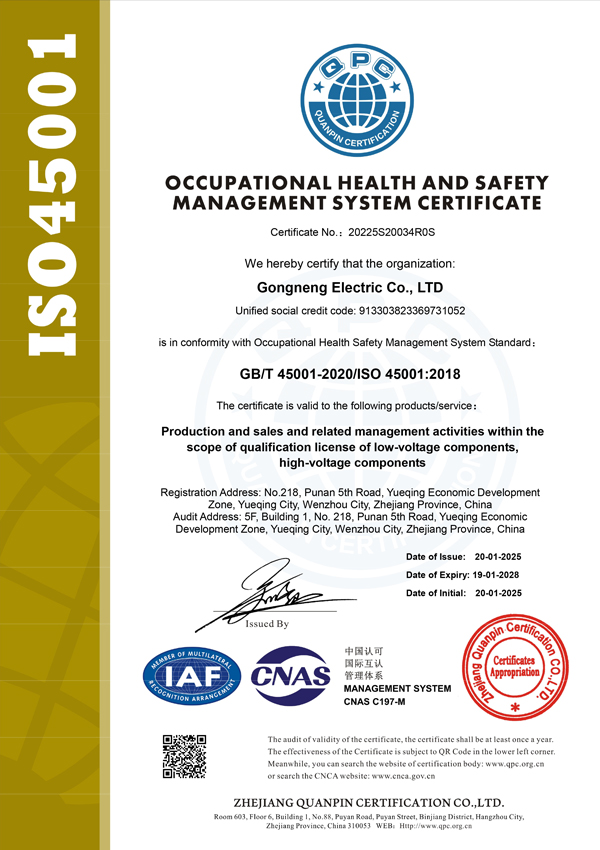
Patent & Invention Certification
Looking ahead, power distribution networks will increasingly prioritize digital integration, carbon reduction, and rapid reaction times. In response to these market requirements, Igoye Energy's R&D roadmap focuses on three main technological directions:
Future iterations of our ATS systems will go beyond basic switching to offer proactive fault diagnosis. By integrating micro-sensor networks directly onto electrical contacts, we can monitor thermal anomalies, evaluate harmonic wear, and track mechanical cycle speeds. This data is analyzed by edge logic to estimate the remaining useful life of the switch, alerting operators before potential failures occur.
As PV and hybrid storage architectures grow, the demand for DC switching is rising. Our future roadmap includes the development of dedicated DC automatic transfer equipment capable of safely managing circuits up to 2000V DC. This technology helps prevent sustained DC arcing during transition, ensuring safety in utility-scale solar and energy storage systems.
To reduce transition times further, we are designing hybrid switching topologies that combine the speed of silicon-controlled rectifiers (SCRs) with the low conduction losses of mechanical bypass contacts. This approach enables transfer times under 5 milliseconds while keeping operational thermal losses low, meeting the needs of critical computing environments.
Get detailed technical answers regarding system engineering, custom configurations, and global product applications.
A PC-Class ATS utilizes a dedicated switching mechanism, often driven by a solenoid, that does not include integrated overcurrent protection. It is designed to switch current and withstand short-circuits. A CB-Class ATS is constructed using dual circuit breakers (MCCB or ACB) equipped with trip units, enabling it to act as both a transfer switch and an overcurrent protection device. PC-class switches typically offer higher short-time withstand ratings (Icw), while CB-class units are chosen for space efficiency and simplified circuit designs.
Our standard ATS mechanisms utilize optimized solenoids and quick-break contact mechanisms to achieve open transition times under 80 milliseconds. For highly sensitive facilities like medical centers or IT infrastructures, we design systems that integrate digital synchronizers to manage phase angles, enabling fast and safe transfers without causing voltage sags.
Yes, we design and manufacture high-voltage circuit breakers (including our GNM1HU and GNM1DC series) specifically rated for DC installations up to 1500V. These breakers include specialized contact designs and arc-chutes to manage DC arcing, helping protect clean energy networks from short circuits and reverse currents.
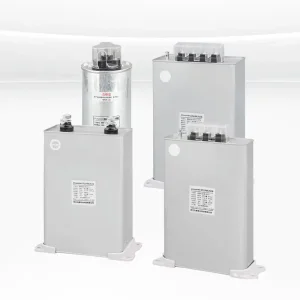
In environments with heavy motor loads, like water treatment or petrochemical facilities, inductive reactance can reduce the system's power factor. Our self-healing low-voltage capacitors dynamically compensate for this reactive power. This helps stabilize line voltages, reduce transformer losses, lower total energy costs, and extend the operating life of distribution components.
Our manufacturing facility in Yueqing City operates under ISO9001 quality management guidelines. We use Statistical Process Control (SPC) at critical stages of production and log incoming components for full traceability. Our products are tested to comply with international standards including IEC, CE, and China Compulsory Certification (CCC).
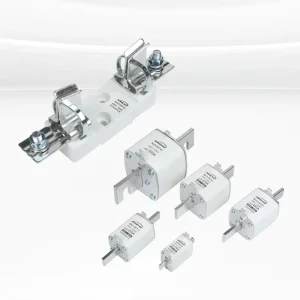
Browse our selection of surge protectors, low-voltage capacitors, and electrical fuses designed to enhance system safety.
 Igoye Energy