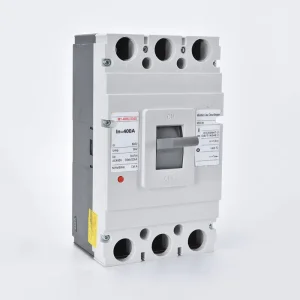
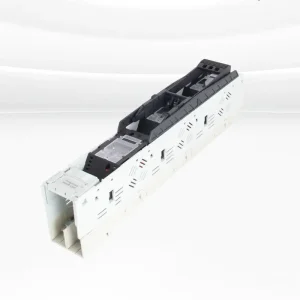
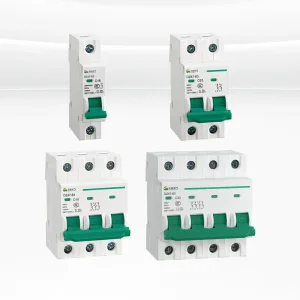
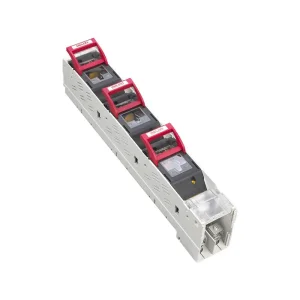
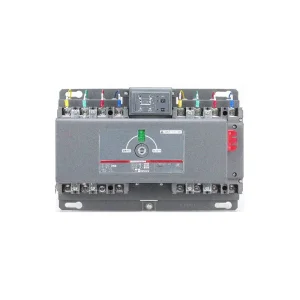
The global power distribution landscape is undergoing a paradigm shift. With the increasing reliance on digital infrastructure, the demand for uninterrupted power supply (UPS) has transitioned from a luxury to a fundamental industrial necessity. The GNQ2 Series Automatic Transfer Switch (ATS) represents the pinnacle of this evolution, serving as the critical bridge between primary utility grids and emergency backup systems.
As a leading OEM GNQ2 Series ATS manufacturer, we recognize that different regions present unique challenges. In North America and Europe, the focus is on integrating ATS with renewable energy microgrids. In Asia-Pacific and the Middle East, the emphasis remains on high-density industrial load management and resilience against volatile grid fluctuations. The GNQ2 series is engineered to meet these diverse localized requirements, offering CB-class protection with superior breaking capacities.
Modern ATS units are no longer passive mechanical switches. The GNQ2 series integrates smart controllers capable of real-time communication via RS485 or Modbus protocols, allowing for remote monitoring and predictive maintenance.
The roadmap for ATS technology is moving toward solid-state components to achieve sub-cycle transfer times (under 10ms), essential for sensitive electronic loads in the semiconductor and biotech industries.
Compliance with EU ROHS and other environmental standards is now a prerequisite. Our manufacturing process minimizes hazardous substances like lead and mercury, ensuring a sustainable lifecycle for industrial components.
The company is located in the Economic Development Zone of Yueqing City, Zhejiang Province, with Qili Harbor in the south, Yueqing Bay in the east, Yueqing City Center in the north, and Liubai Economic Circle in the west. The company has been committed to the research and development and production of low-voltage electrical appliances, the products are widely used in electric power, infrastructure, energy, electronics and other industry sectors.
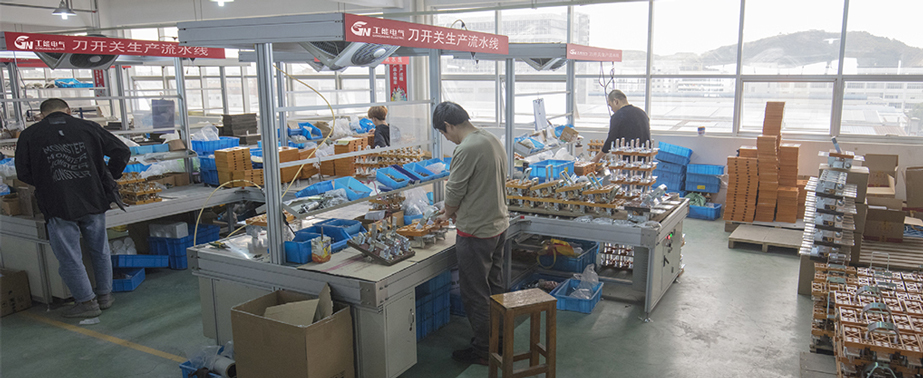
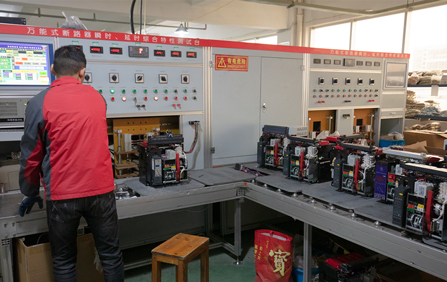
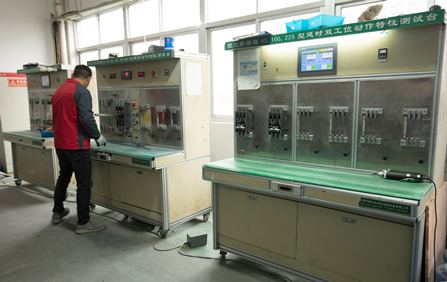
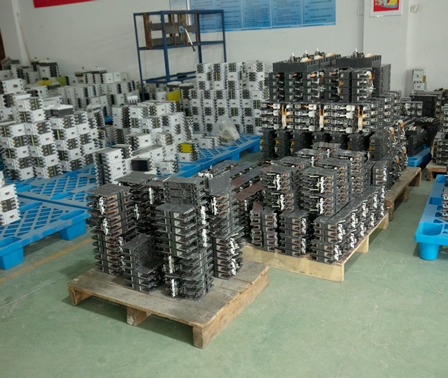
We set up quality control points in key processes and use SPC tools to improve the quality of process control. The company has established a traceability system for the whole process from accessories, production date and key parameters to ensure product quality. With a workshop of more than 12,000 square meters, we are equipped with 180 units of production and testing equipment to ensure every ATS unit meets international standards.
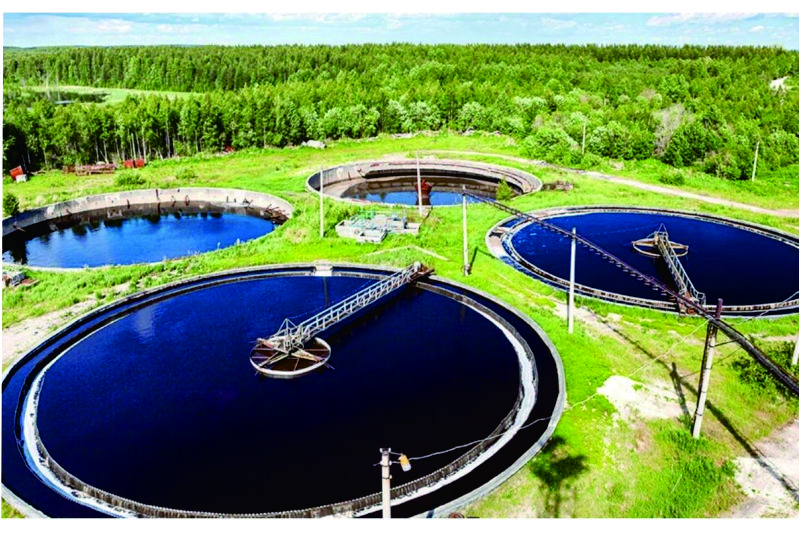
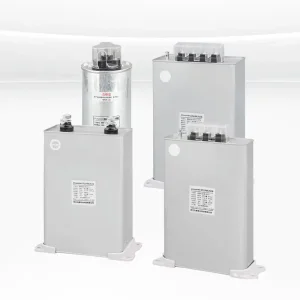
Intelligent motor protection and dual power switching ensure stable and continuous operation of water pump units, preventing frequent tripping and ensuring energy efficiency through capacitor compensation.
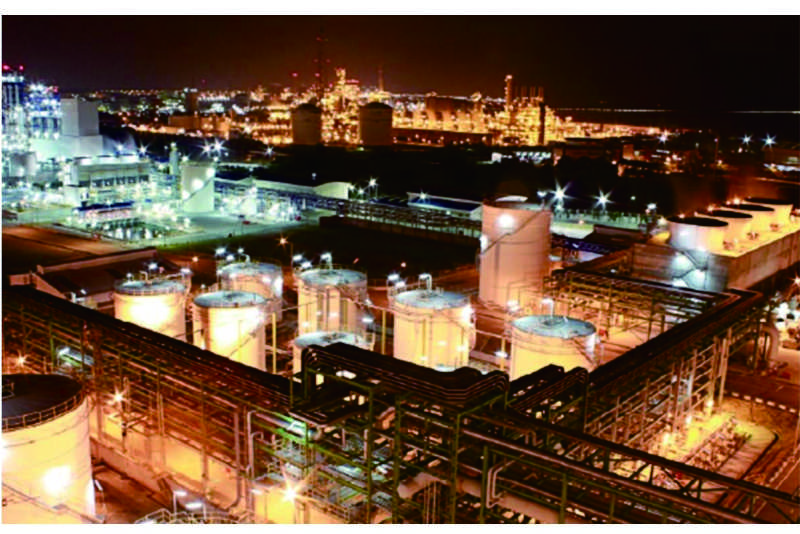
High reliability distribution solutions for oilfield and refining enterprises. We provide robust guarantees for safe, economical, and reasonable operation in harsh environments.
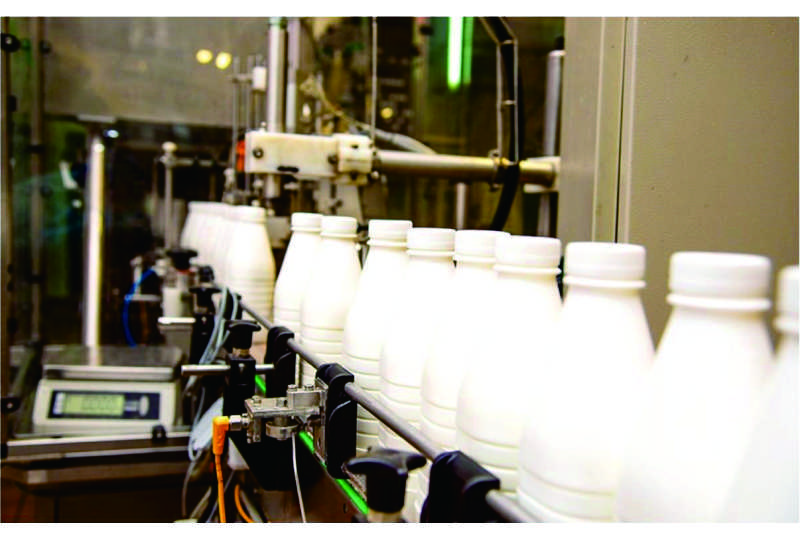
Providing intelligent universal circuit breakers to ensure power continuity in textile, food, and paper printing sectors, with real-time data monitoring via PC and mobile terminals.

Sustainable distribution products compliant with EU ROHS, providing ACB, MCCB, and GNQ2 ATS solutions for eco-friendly and safe guest environments.
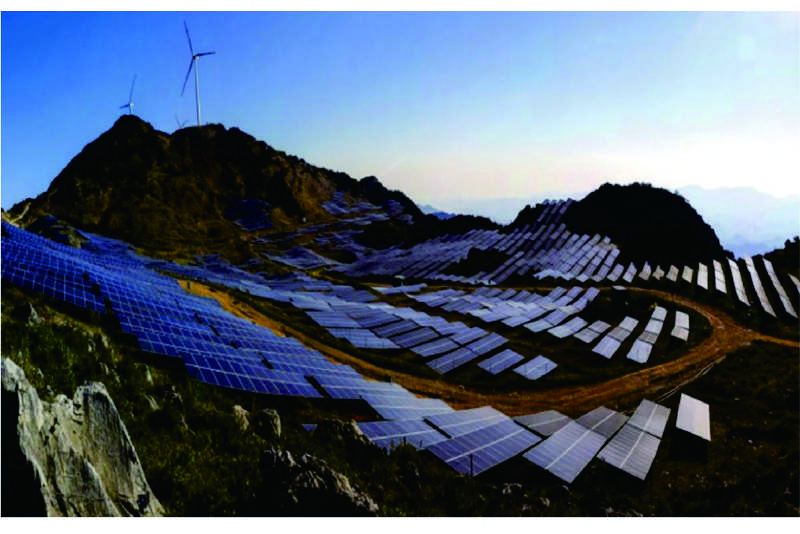
Optimized solutions for solar power plants and microgrids, focusing on reducing system losses and improving generation efficiency in large-scale installations.
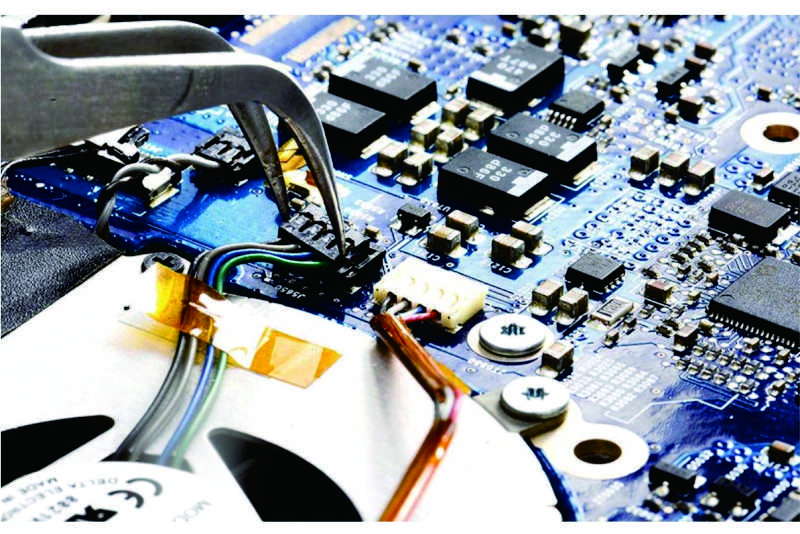
Specialized measures to prevent electrical accidents, voltage fluctuations, and electrostatic discharge, improving the reliability of sensitive production lines.
For a factory specializing in GNQ2 Series Automatic Transfer Switches, localization means more than just language—it's about grid compatibility. In high-rise commercial buildings in Dubai, ATS units must handle extreme ambient temperatures. In Singapore's data centers, they must offer zero-latency switching logic. The GNQ2 series is designed with adjustable transfer delays and high-current withstand capabilities to excel in these specific scenarios.
By 2030, we expect ATS technology to integrate AI-driven load forecasting. This will allow the switch to preemptively transfer power before a grid failure occurs, based on predictive analytics and weather patterns, moving the industry from 'reactive' to 'proactive' energy management.
 Igoye Energy