Engineered to ensure uninterrupted power safety, system reliability, and long service life across diverse electrical distributions.
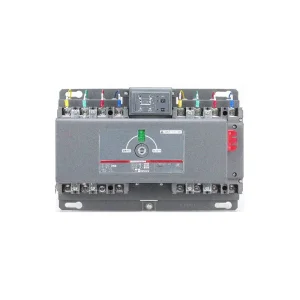
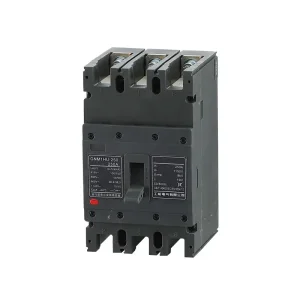
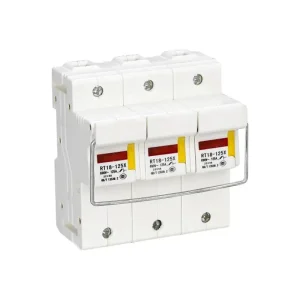
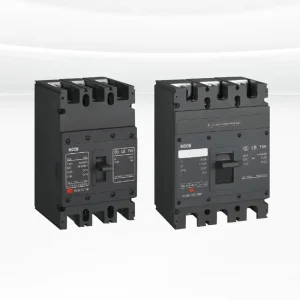
Why selecting certified, high-performance DC Isolator Switches is critical for protection, compliance, and plant performance.
In modern photovoltaic (PV) generation, the switch from traditional low-voltage configurations to 1000V and 1500V DC topologies has reshaped safety requirements. Unlike Alternating Current (AC) systems where the voltage crosses zero 50 or 60 times a second, Direct Current (DC) arcs do not self-extinguish. When a system fault or emergency shutdown occurs, drawing a DC arc under high voltage can cause catastrophic equipment failure, thermal runaway, and fire. A dedicated Solar DC Isolator Switch is the primary defense line, providing safe galvanic isolation between the PV arrays and the solar power inverter.
For engineering, procurement, and construction (EPC) firms, the solar isolator must maintain reliable operation in extreme environments. Constant exposure to UV radiation, fluctuating desert temperatures, high humidity, and corrosive coastal atmosphere creates severe stress. Selecting the appropriate solar DC isolator involves assessing electrical capabilities—specifically rating characteristics like DC-PV1 or DC-PV2 utilization categories, rating current under high ambient temperatures, and structural enclosure durability (e.g. class IP66/IP67 ratings).
Employs advanced magnetic blowout systems and customized arc-splitter chutes to rapidly pull and safely quench DC electrical arcs during high-load switching events.
Heavy-duty, UV-stabilized polycarbonate or aluminum enclosure sealing guarantees reliable long-term performance under harsh environmental conditions.
Patented spring-loaded snap-action switching mechanism limits the contact transition window to under 3 milliseconds, minimizing contact wear and thermal degradation.
Understanding the critical trends and global requirements of tier-one PV developers and utility asset managers.
Utility-scale solar farms are designed with an active lifespan exceeding 25 years. This longevity makes component reliability a primary factor in purchasing decisions. Procurement managers look beyond unit pricing to evaluate the total cost of ownership (TCO) and long-term performance guarantees.
Key global procurement considerations include:
Global grid parity and the expansion of high-power PV modules are driving solar system voltages from 1000V up to 1500V. This transition requires larger clearances and creepage distances in switch contacts. Additionally, the integration of smart remote-shutdown capabilities, combined with Rapid Shutdown (RSD) regulations, has increased the demand for motorized, remote-controllable DC isolators.
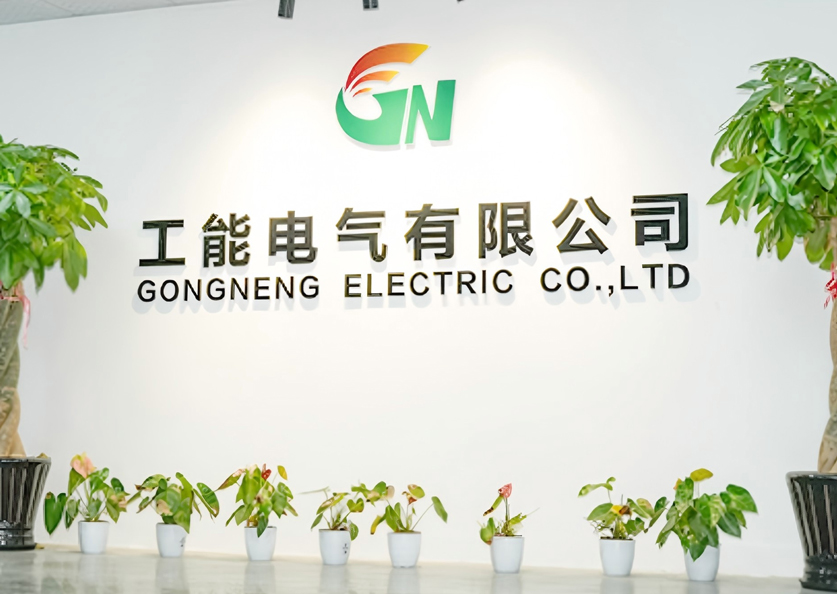
Innovating Low-Voltage Electrical Solutions with Rigorous Quality Standards and Robust Production Capabilities
Located in the Economic Development Zone of Yueqing City, Zhejiang Province—bordered by Qili Harbor in the south, Yueqing Bay in the east, Yueqing City Center in the north, and Liubai Economic Circle in the west—Zhejiang Igoye Energy Technology Co., Ltd. is a leading manufacturer specializing in the research, development, and production of low-voltage electrical systems. Our products are used globally across power distribution networks, public infrastructure, renewable energy projects, and electronic manufacturing sectors.
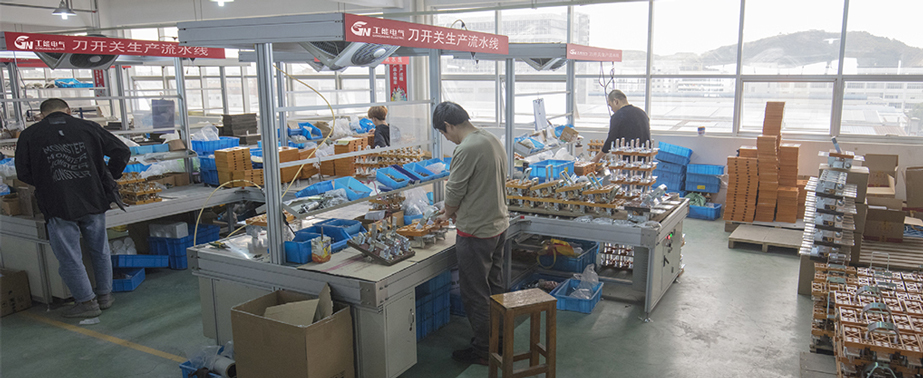
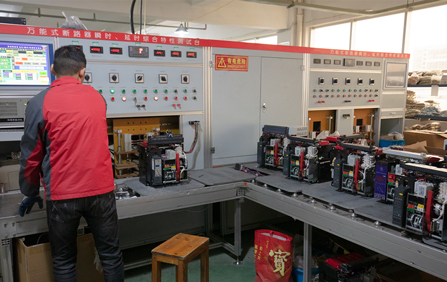
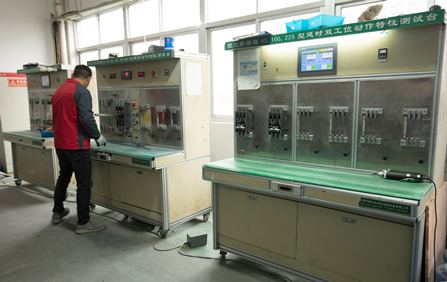
Operating out of a modern, standard production workshop of over 12,000 square meters, our facility houses 212 skilled staff members and 20 professional technical engineers. We maintain 180 units of automated production, assembly, and testing equipment. Our quality control team follows strict standard testing procedures for incoming materials, in-process assembly, and final product release. We establish key quality control points using Statistical Process Control (SPC) tools, backed by a comprehensive traceability system from raw materials to date code batch tracking, ensuring every unit meets international safety standards.
Precision manufacturing processes backed by automated assembly, cleanrooms, and automated testing rigs.
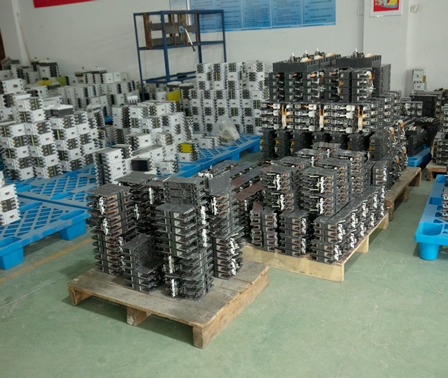
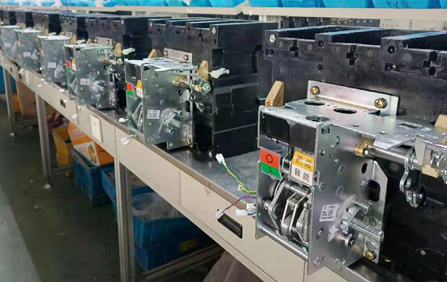
Leveraging low-voltage electrical technology to deliver safety, reliability, and efficiency across multiple industrial fields.
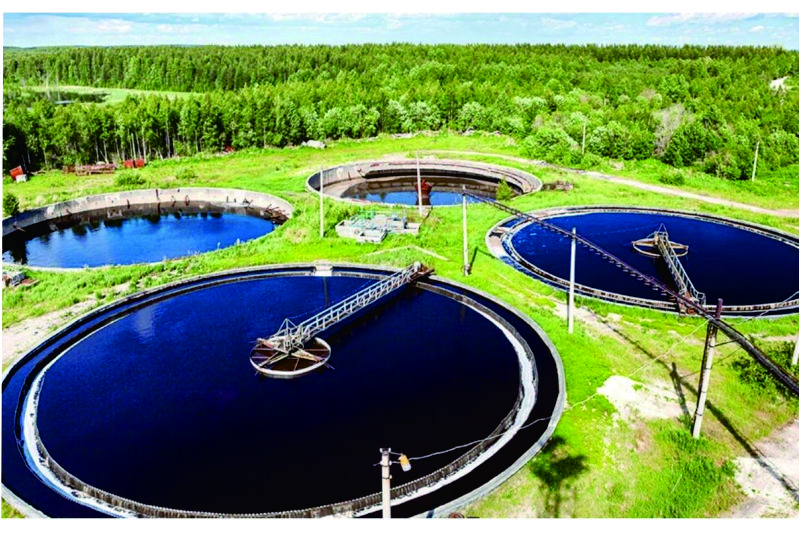
We provide standard protection systems for water treatment pumps and units. Our solution utilizes intelligent plastic shell motor protection to eliminate nuisance tripping during motor start-ups. In the event of primary power failure, dual power supply switching restores normal operation, while intelligent capacitors automatically compensate power factors to reduce line and transformer losses.
Learn more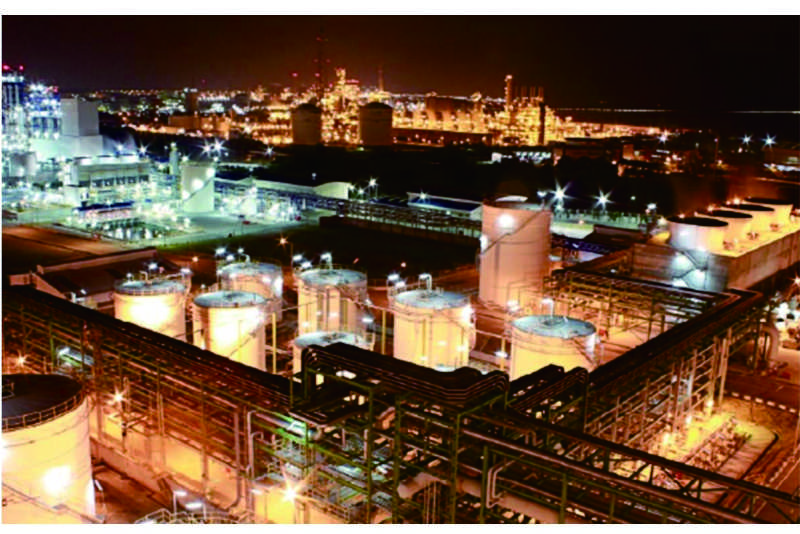
Petrochemical manufacturing requires highly reliable, continuously rated electrical distribution. Igoye Energy offers high-capacity low-voltage circuit breakers and isolation devices designed to withstand harsh, corrosive chemical environments, ensuring safe, stable, and cost-effective distribution operations.
Learn more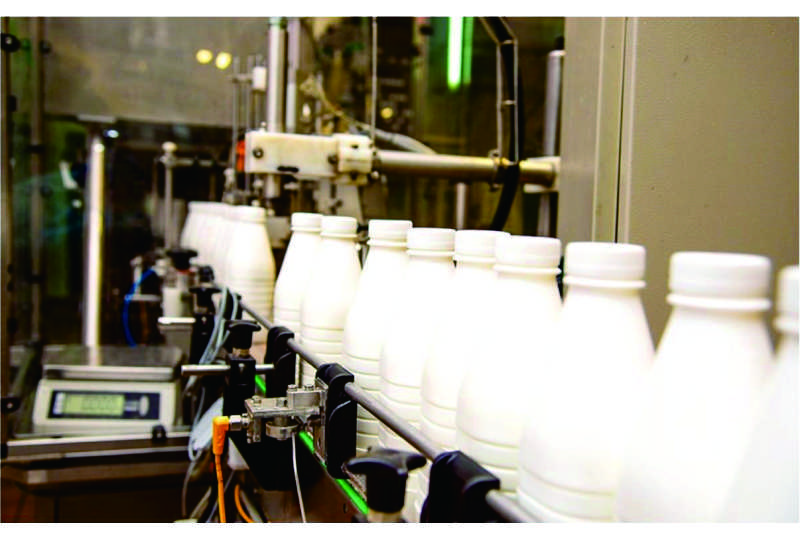
To support energy efficiency and smart manufacturing goals, we supply light industrial facilities with smart molded case and universal circuit breakers. These devices allow real-time monitoring of electrical telemetry from mobile and PC terminals, helping manufacturers optimize their energy profiles and prevent outages.
Learn more
We provide eco-friendly, certified low-voltage distribution components for modern hospitality projects. Compliant with RoHS certifications, our lines of ACBs, MCCBs, ATS units, and terminal distribution boards contain zero lead, cadmium, or mercury, protecting guests while providing safe distribution control.
Learn more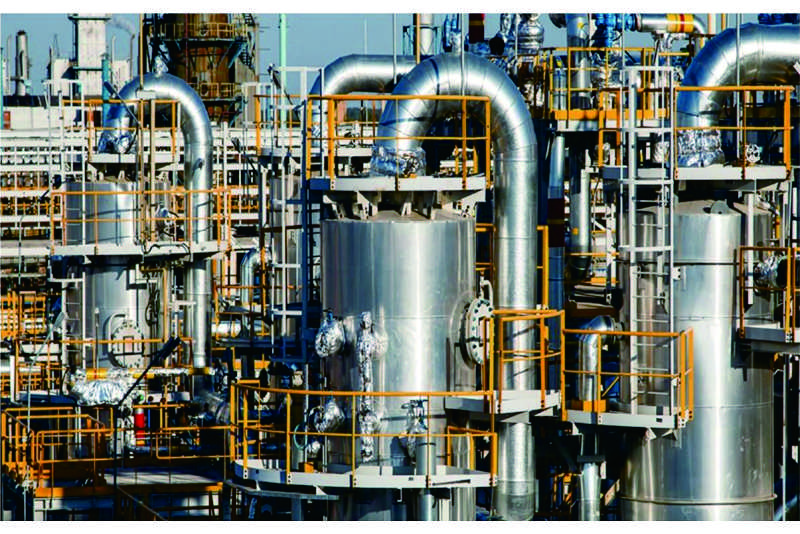
Chemical processing operations feature high load density and strict safety requirements. Igoye Energy offers integrated protection components and microcomputer-monitored switchgear to prevent downtime, isolate faults quickly, and maintain operation of critical safety systems.
Learn more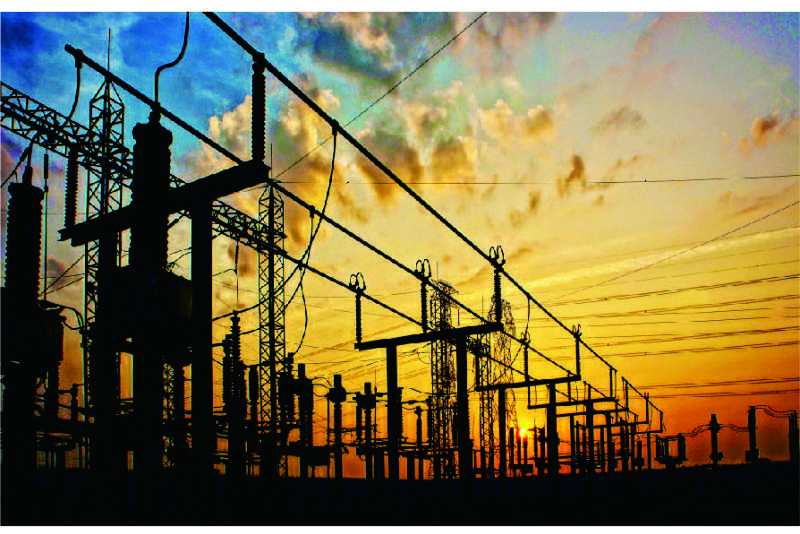
In response to State Grid standardization demands, we manufacture standardized low-voltage components and switchgear modules. Our structured designs reduce construction time, simplify field modifications, and improve reliability across state grid distribution cabinets.
Learn more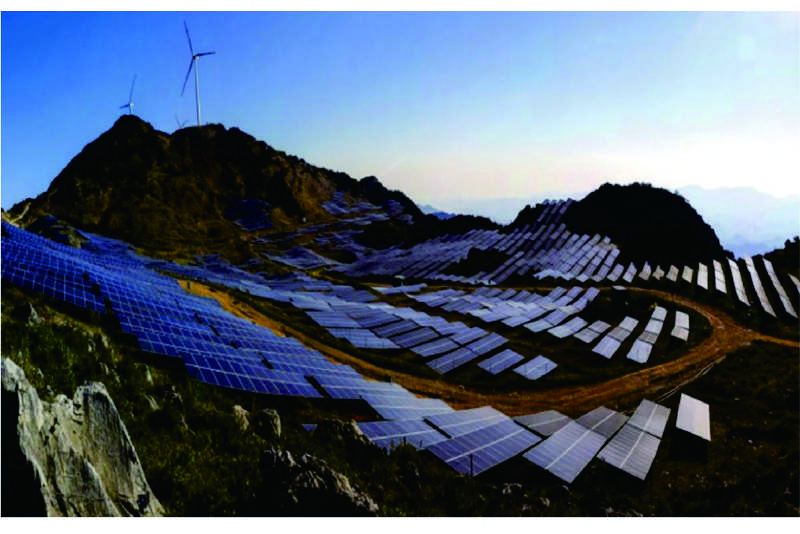
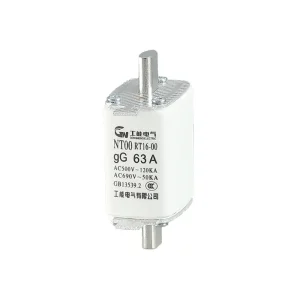
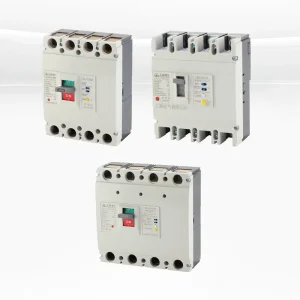
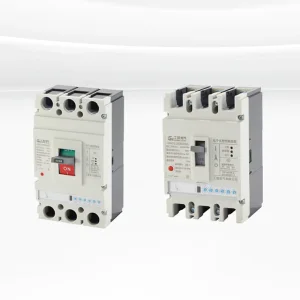
Our complete solar portfolio—including specialized high-voltage DC isolator switches, high-capacity string fuses, DC MCCBs up to 1500V, and surge protective devices (SPDs)—reduces power losses, improves safety, and maintains stability across utility-scale and rooftop PV plants.
Learn more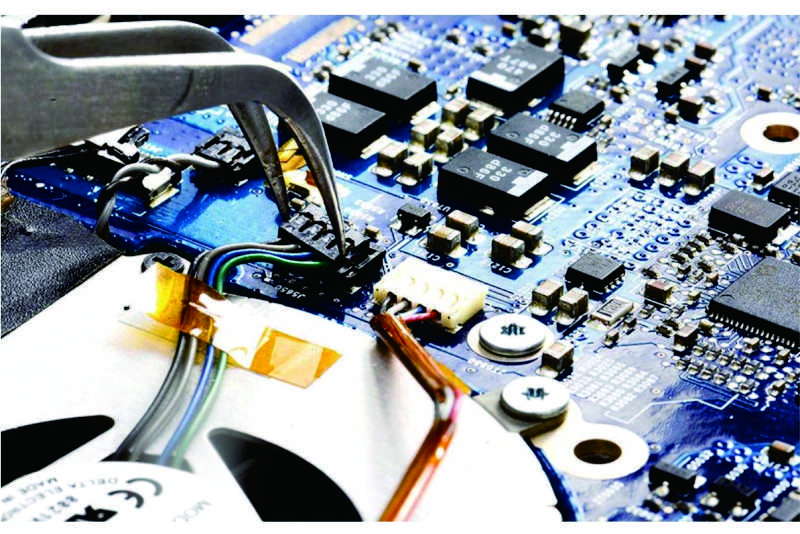
We provide electronic manufacturers with reliable power monitoring and protection systems. Our solutions mitigate transient surges, voltage drops, and short circuits, protecting sensitive fabrication lines from unexpected downtime.
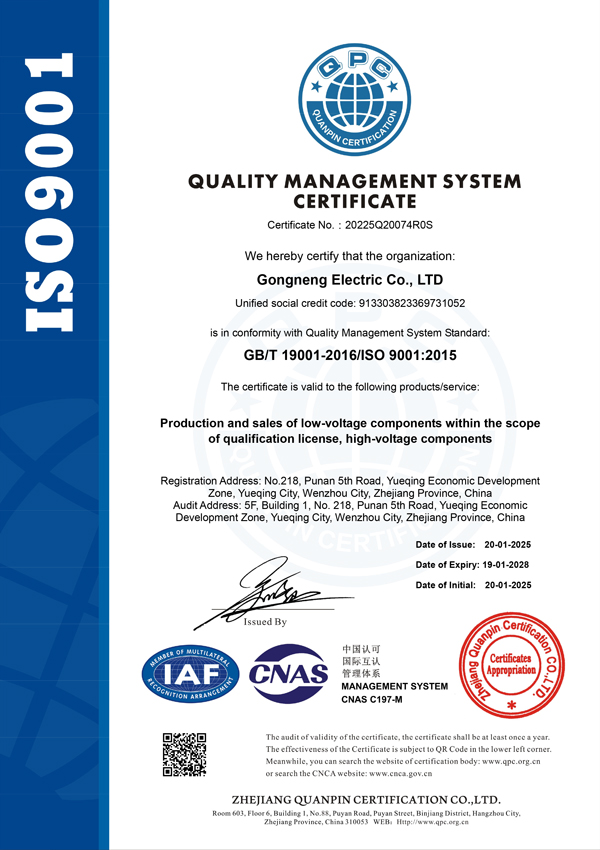
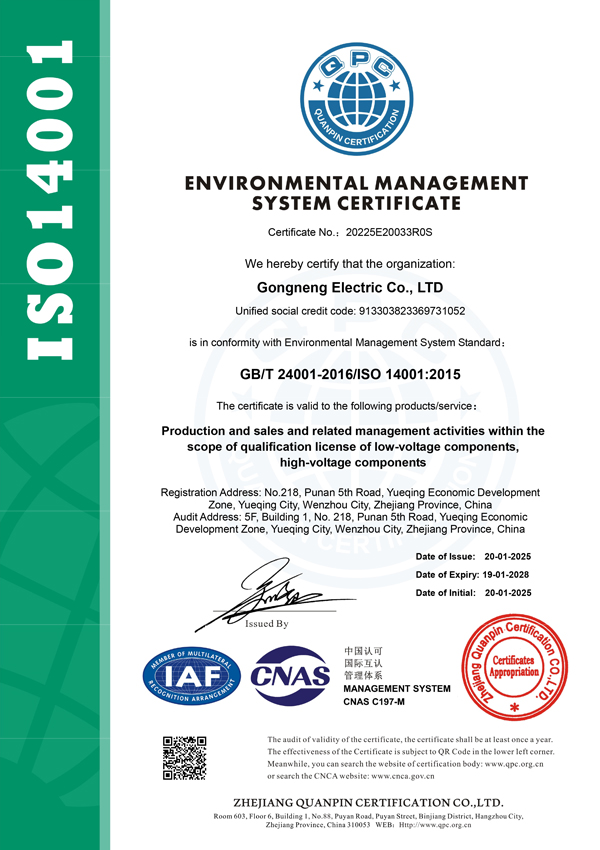
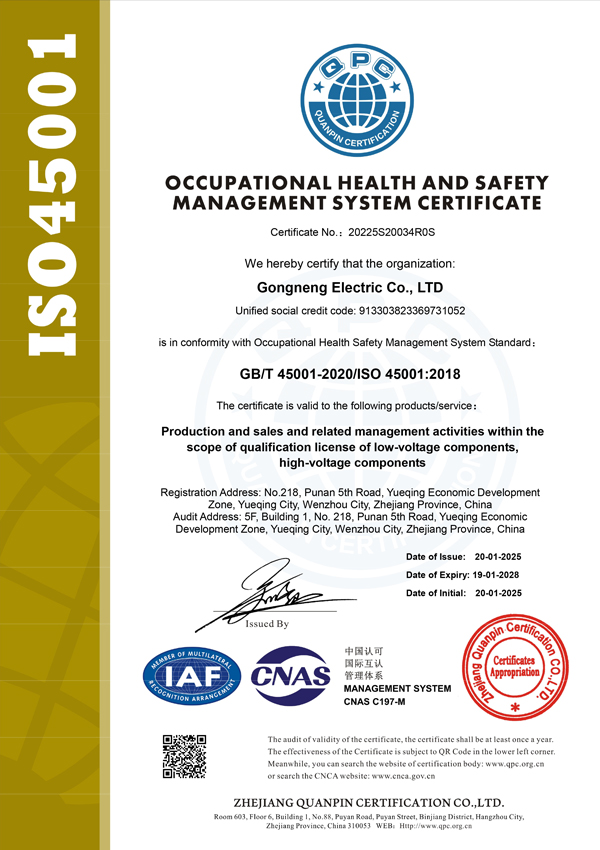
Learn moreOur quality management systems and products are tested and certified to verify safety and reliable operational parameters.
How we are preparing our product lines for the next generation of smart solar infrastructure.
Developing wider contact gaps and customized grid layouts to manage the higher operating voltages of advanced commercial utility-scale inverters.
Adding internal auxiliary contacts and thermal sensors to transmit operating temperature, contact wear, and status data back to central control systems.
Designing compact motorized shunt trip mechanisms that sync with standard fire alarm and utility grid controls to provide automatic rapid shutdown.
In-depth technical explanations covering solar safety switch design, compliance, and installation best practices.
DC current does not have a zero-crossing point like AC, meaning any arc created when opening contacts is continuous and must be actively extinguished. DC isolators are designed with magnetic blowouts, arc-chutes, and fast snap-action contacts to safely extinguish these arcs, whereas AC switches will fail and run a high risk of causing a fire.
Under the IEC 60947-3 standard, DC-PV1 applies to switching non-inductive or slightly inductive loads (such as stable solar panel arrays with low cable inductance). DC-PV2 is a more demanding rating for systems subject to frequent switching, representing safety performance under higher-risk overload conditions.
Higher system voltages allow longer module strings, reducing the number of combiner boxes, cabling costs, and line losses. For isolators, 1500V demands larger air clearances, increased creepage distances, and enhanced contact insulation to prevent breakdown and tracking faults over time.
Outdoor combiner boxes and inverters are subject to direct sunlight, with internal enclosure temperatures often exceeding 55°C. Heat increases the electrical resistance of contacts. High-quality isolators are engineered with premium copper contacts and thermal design to minimize derating under high ambient temperatures.
A DC circuit breaker provides overcurrent and short-circuit protection and can act as an isolator if certified to IEC 60947-3. However, standard safety procedures often require a dedicated, lockable manual isolator switch near the inverter to ensure a visible physical break in the circuit during system maintenance.
Key international standards include IEC 60947-3 for switch performance, AS/NZS 5033 for PV installations in Australia, and UL 508i in North America. These standards require external isolators to be weather-resistant (typically IP56 or IP66), UV-rated, and capable of being locked in the 'OFF' position.
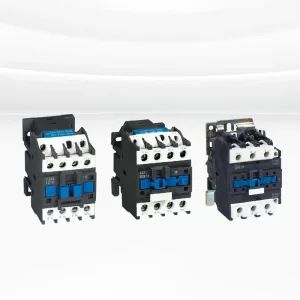
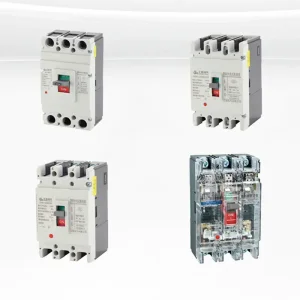
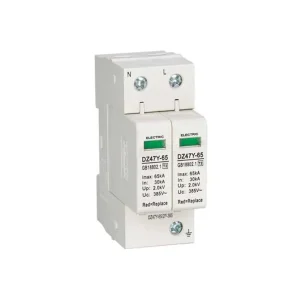
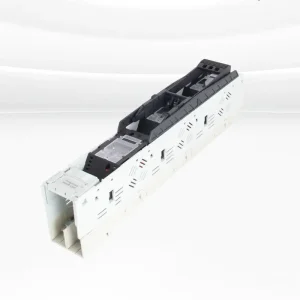
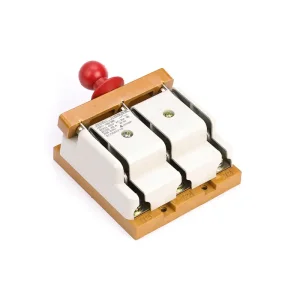
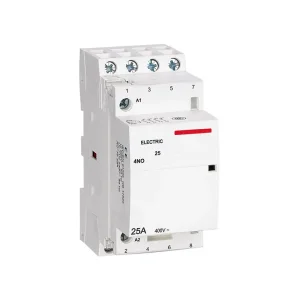
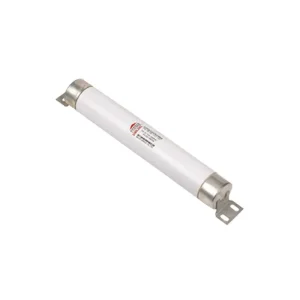
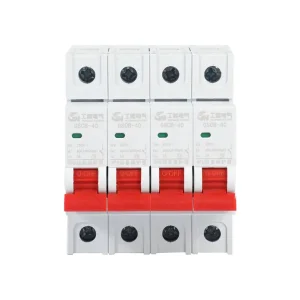
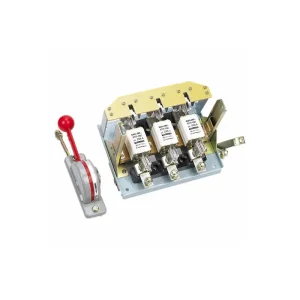
Explore our full range of heavy-duty fuses, isolators, AC contactors, and surge protection devices designed for comprehensive system safety.
 Igoye Energy